Most gardens in Britain close for the year some time in September, and it is rarely the temperature that does it. A still evening in late September is warmer than a breezy one in May. What changes is that it is dark at eight, then seven, then half past six, and an unlit garden stops being somewhere you go.
So the three things that genuinely extend the season are light first, then heat, then shelter from wind. In that order, which is the opposite of the order most people buy them in.
Light, because it is the thing that actually ended it
You are not trying to floodlight the garden. You are trying to make a route and a destination legible — the path out, and the place you sit. Two or three pools of light at seating height do more than one bright one overhead, which flattens everything and puts the rest of the garden into blackness by contrast.
Post and bollard lights do the route. Ours run from 1.2m to 1.8m, which is the useful range: below about a metre a bollard lights the ground and little else, and above 1.8m it becomes a street lamp. A pair of 1.3m posts either side of a path is usually enough. Floor lanterns do the destination — the rattan lanterns are 68cm, which is deliberately about the height of a side table, so the light sits where people are rather than above them.
The solar caveat nobody puts in the listing
Solar lighting is at its worst in exactly the season you want it. A panel depends on how much light actually lands on it, and in Britain that collapses far faster than the daylight hours suggest: the days shorten by a third between June and October, but the sun sits lower and the cloud is thicker, so the energy reaching a panel falls by considerably more than a third. A light that ran for eight hours in July may give you three in November, and less in a shaded corner.
That is not a reason to avoid solar — it is a reason to put it where the panel gets genuinely open sky rather than where the light looks best, and to expect less of it in midwinter. If a light has to work reliably at seven o'clock on a wet January evening, mains is the honest answer. We would rather say that than sell you four bollards that disappoint you in week three.
Heat, and how far it actually reaches
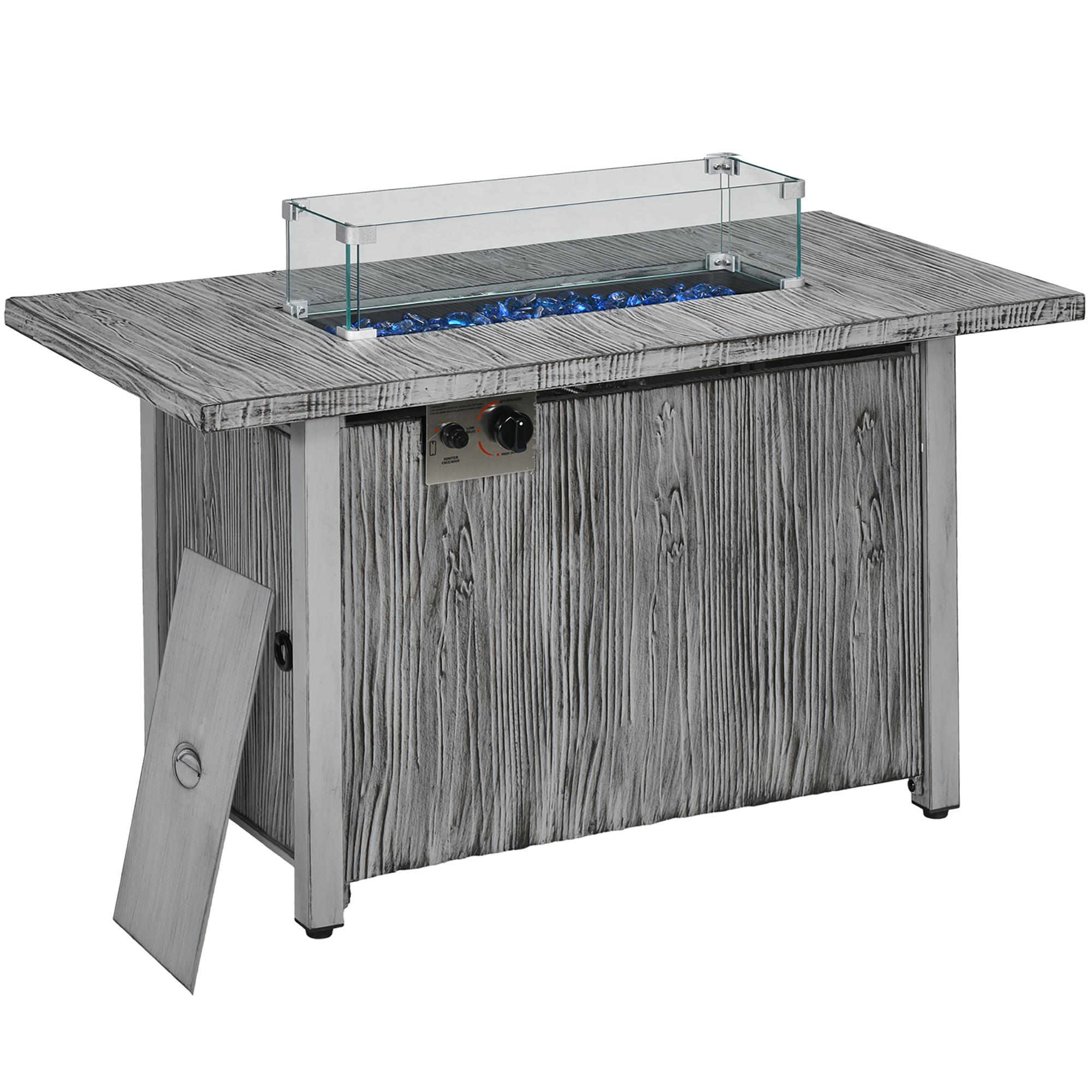
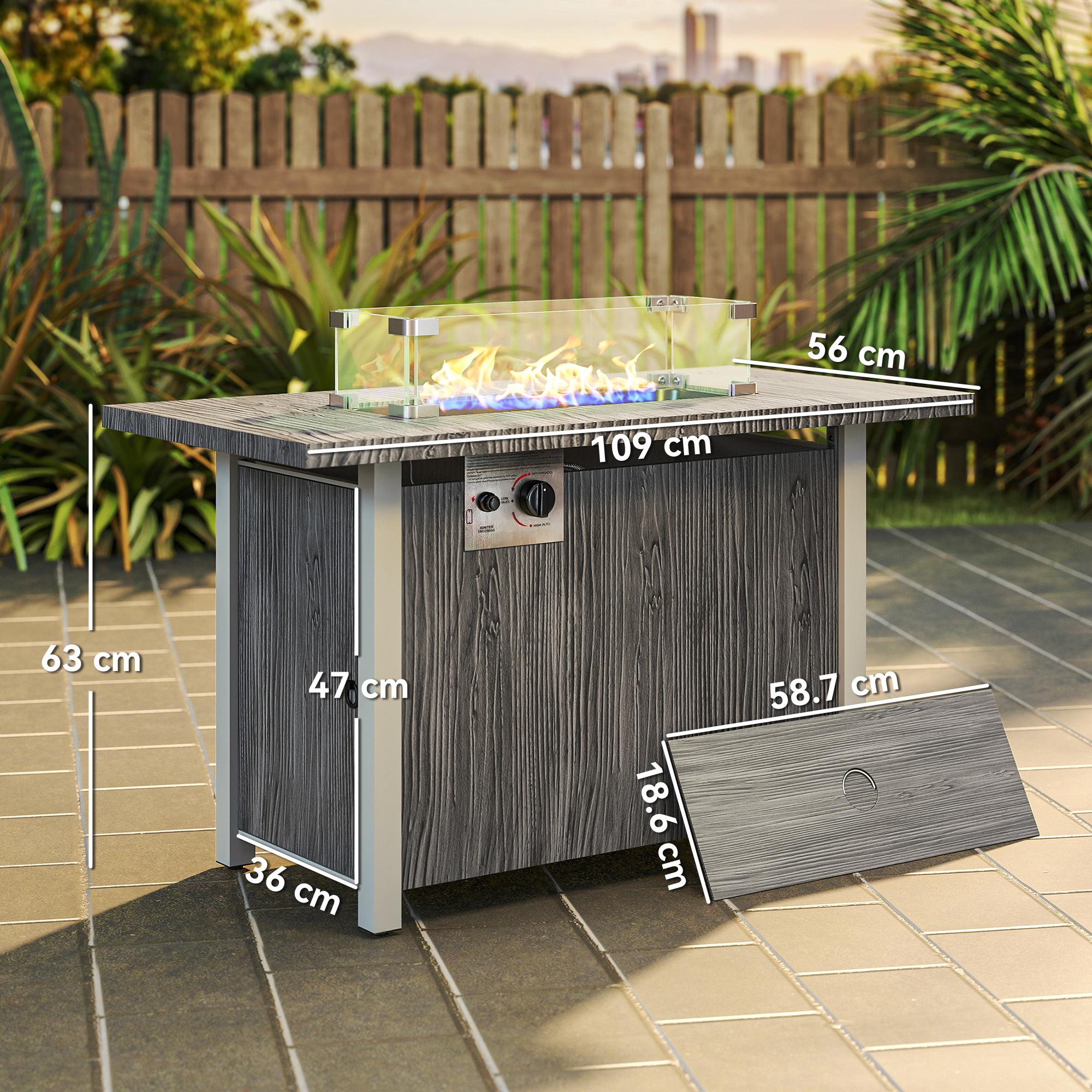
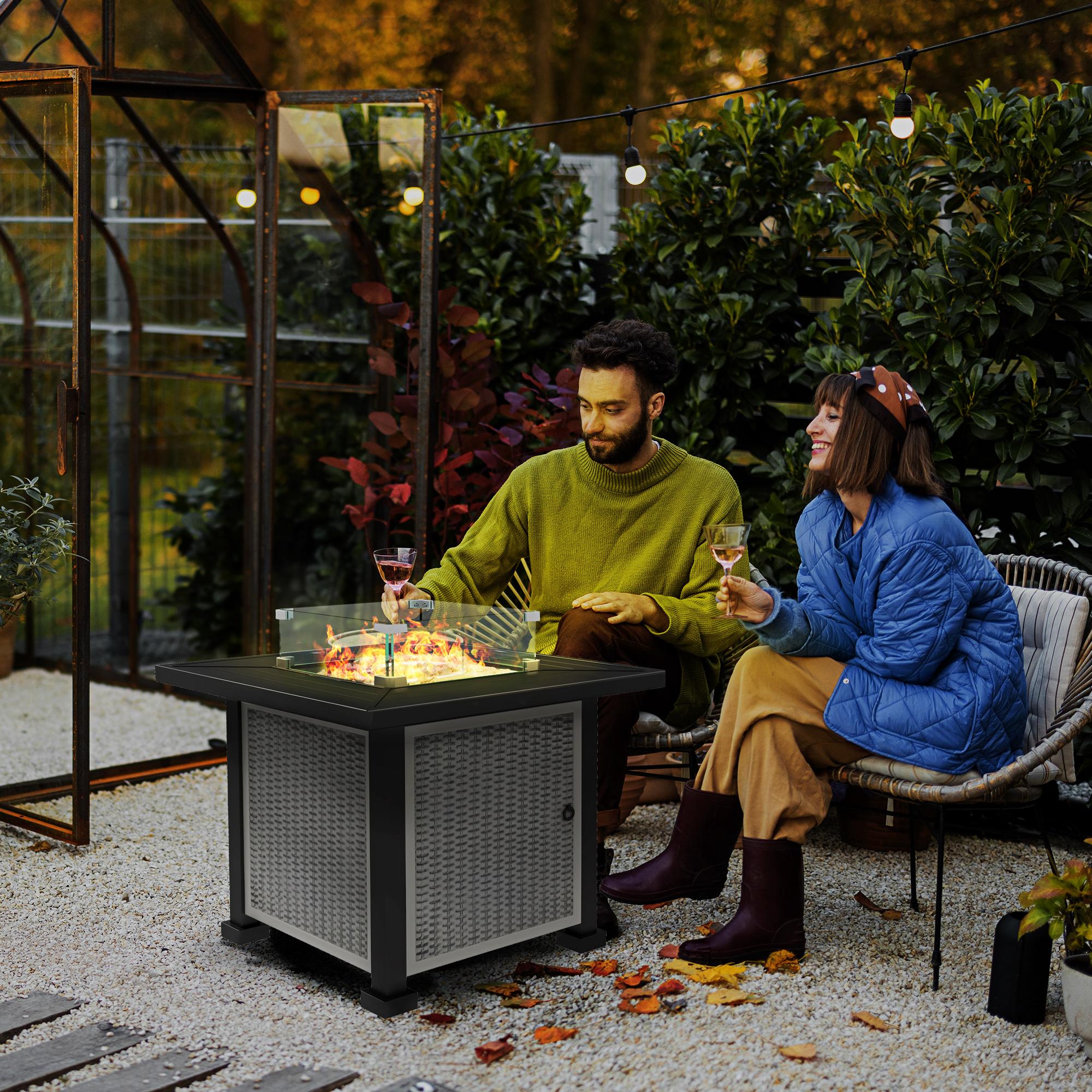
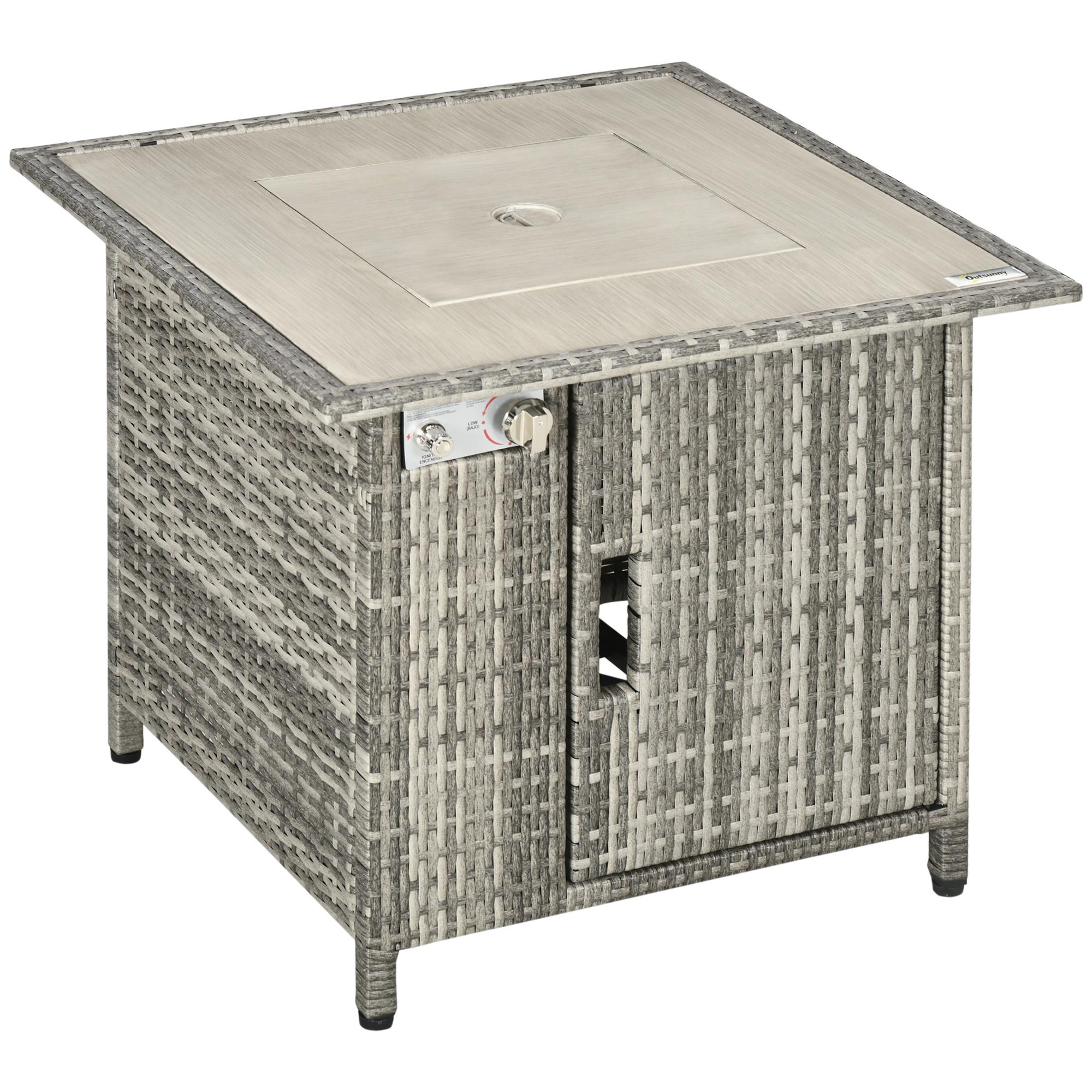
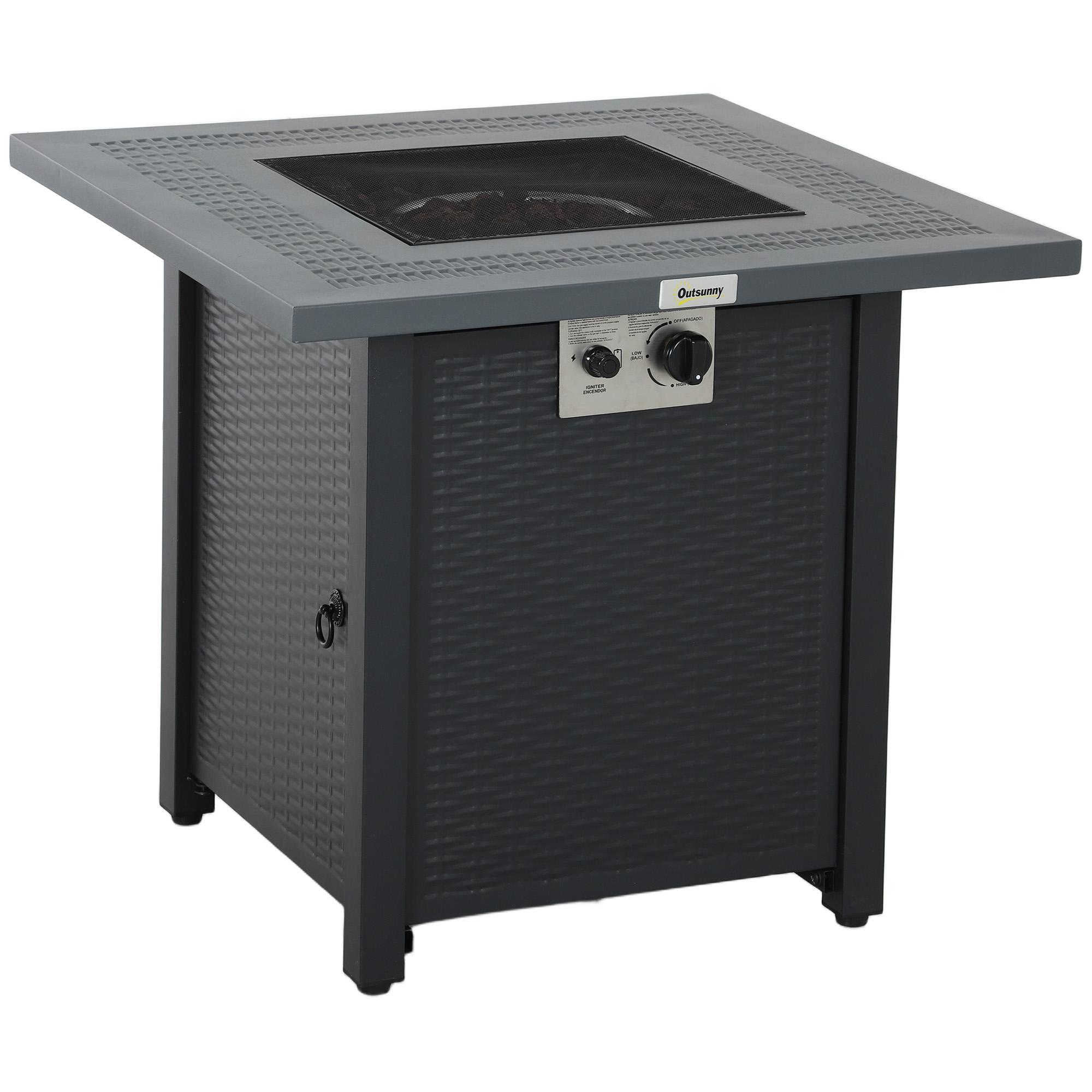
Outdoor heat is short-range. A fire pit table warms the people around the table and essentially nobody else, and that is fine — it is a focal point, not a heating system. The gas tables in the range run 40,000 to 50,000 BTU, which in practice means a comfortable ring of four to six people at 71cm to 81cm of table.
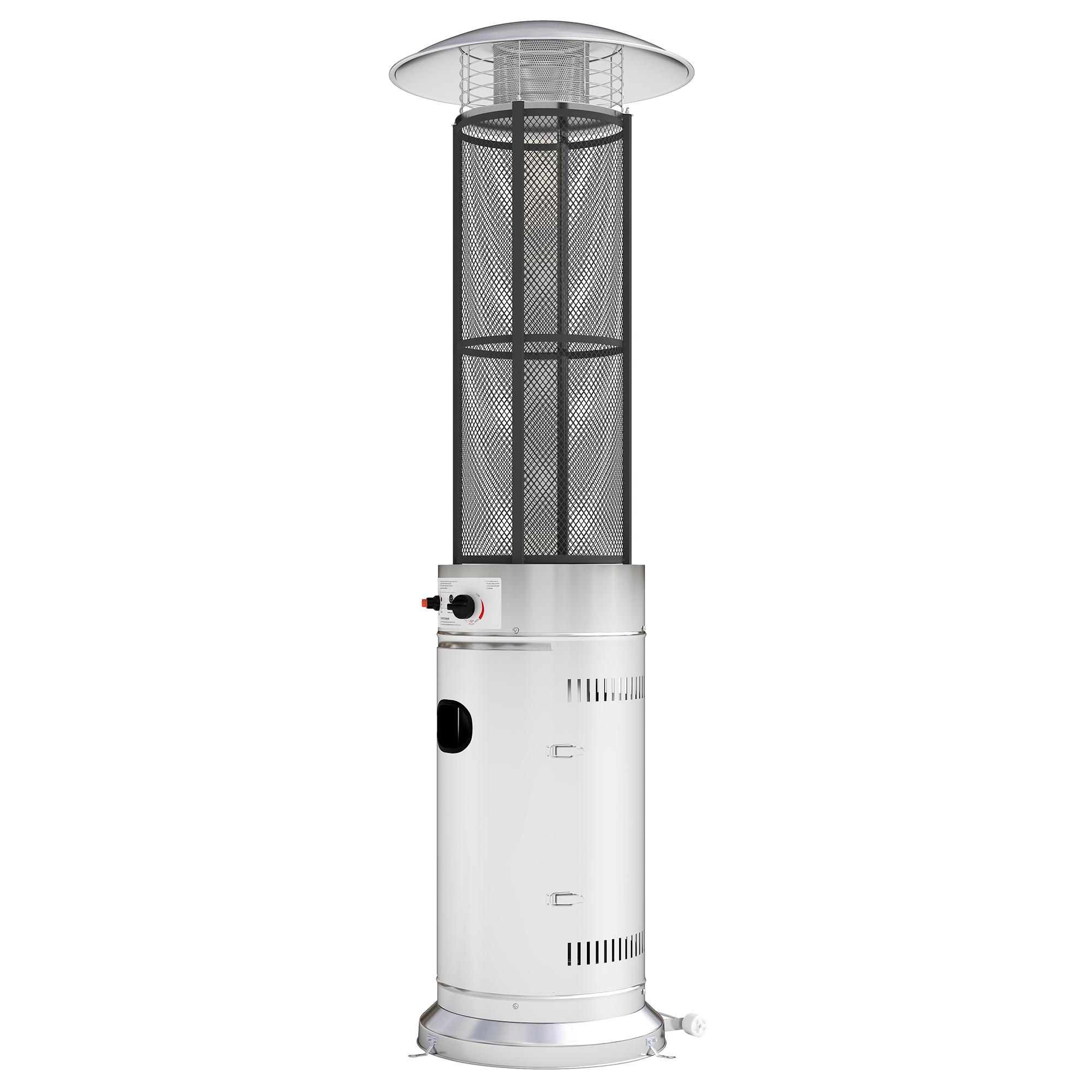
Electric infrared works differently and is worth understanding, because it heats objects and people directly rather than the air between them. That makes it far better under a covered area or against a wall, where warmed air would otherwise drift away — and, unlike gas, it can legitimately sit under a roof.
If you have a choice, put the heat at the seating and the light on the route. Reversing them is the most common way an autumn garden ends up both dark and cold in the places you actually stand.
Shelter, which is really about wind
Wind ends more autumn evenings than cold does. It also carries smoke straight into whoever is sitting downwind, which is the real reason a fire pit evening breaks up early.
A screen at 198cm — the height of the decorative steel screens we stock — breaks wind at seated and standing height without walling the garden in, and they are 122cm wide, so two or three cover a seating area rather than a boundary. The perforated designs matter here: a solid panel creates turbulence and eddies behind it, while a pierced one slows the air and is noticeably calmer to sit behind.
They also do the other job an autumn garden needs, which is making a large space feel like a room. A seating area that felt generous in July can feel exposed in October, and an enclosure at shoulder height fixes that more cheaply than anything else in the garden.
What to do this month
If you do one thing, light the route from the back door to where you sit. It is the cheapest of the three, it is the thing that actually ended your season, and it is the one you will use every evening rather than only on the evenings you plan.