Fire pit safety: clearance, surfaces, and what not to burn
Most fire pit accidents are not dramatic. They are a scorched decking board, a melted parasol, or a cylinder left connected through a wet November. All three are avoidable, and none of them are covered by the instruction leaflet in any useful detail.
The clearance people forget is the one above their head. Side clearance is intuitive — you can see the fence. Overhead clearance is not, because a gazebo roof, a parasol, a low branch or a first-floor window sits outside your eyeline while you are looking at the flames.
Clearance: what the manufacturers actually specify
Treat these as the starting point and then read the manual for the model you own, because the figures vary and the manual is the one that matters for your warranty.
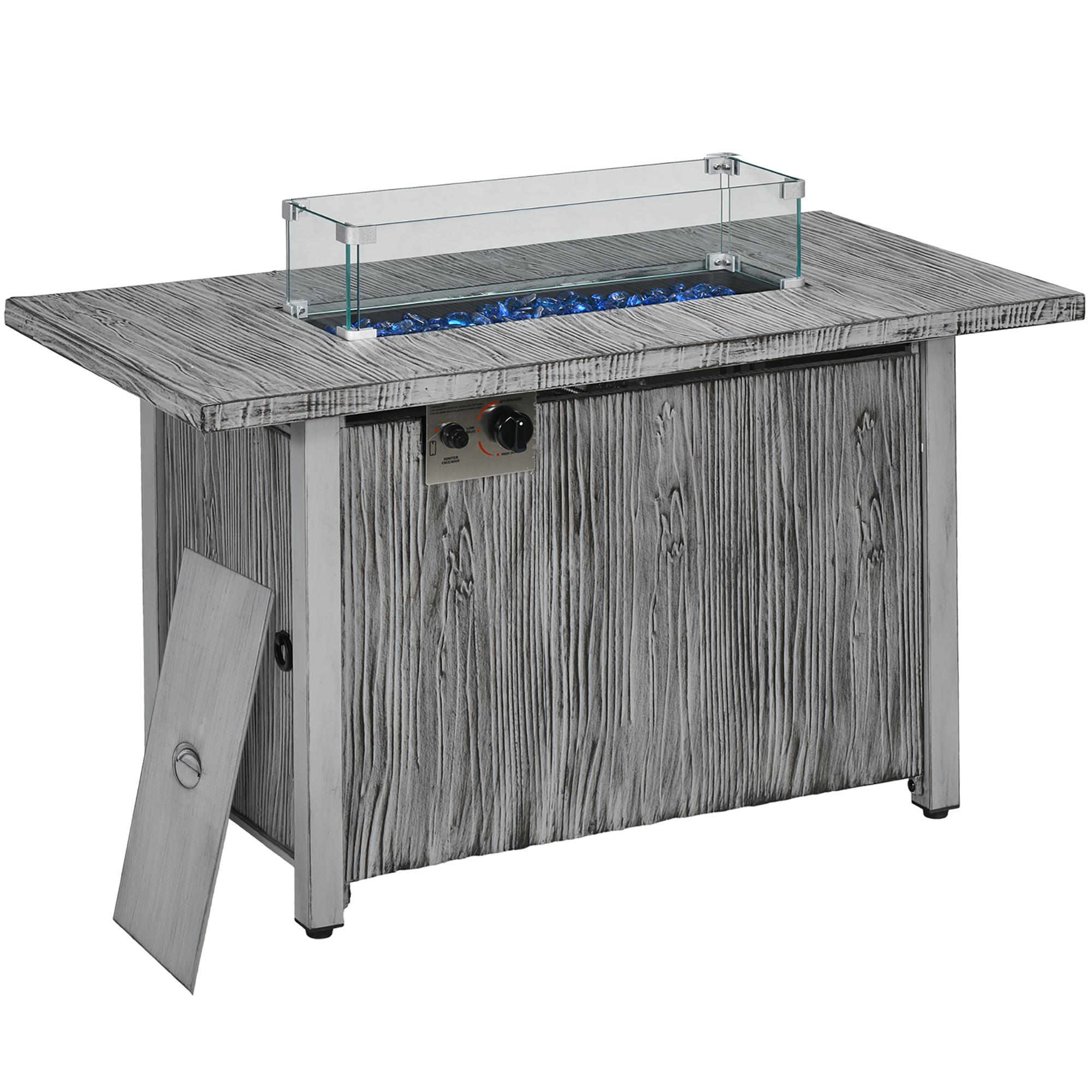
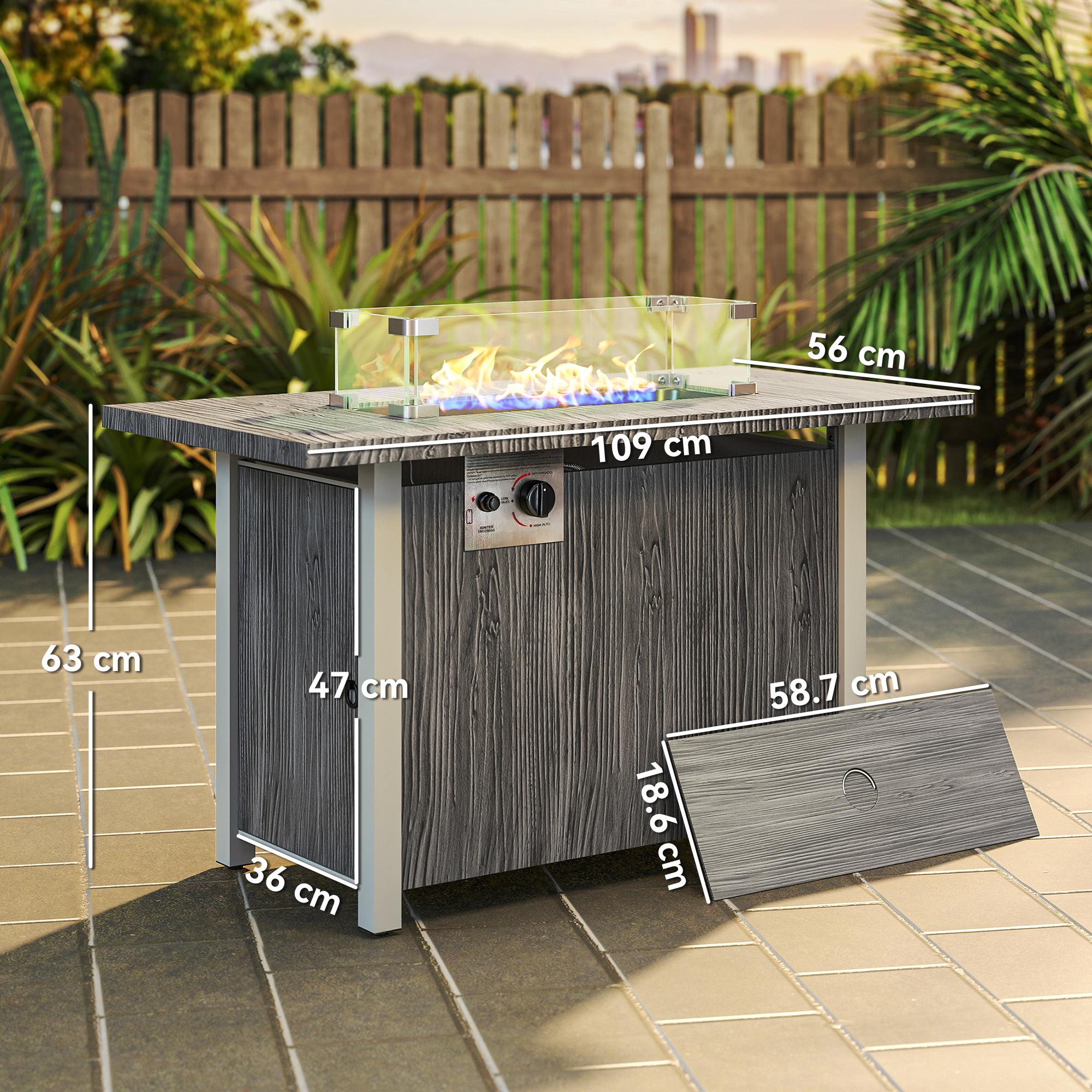
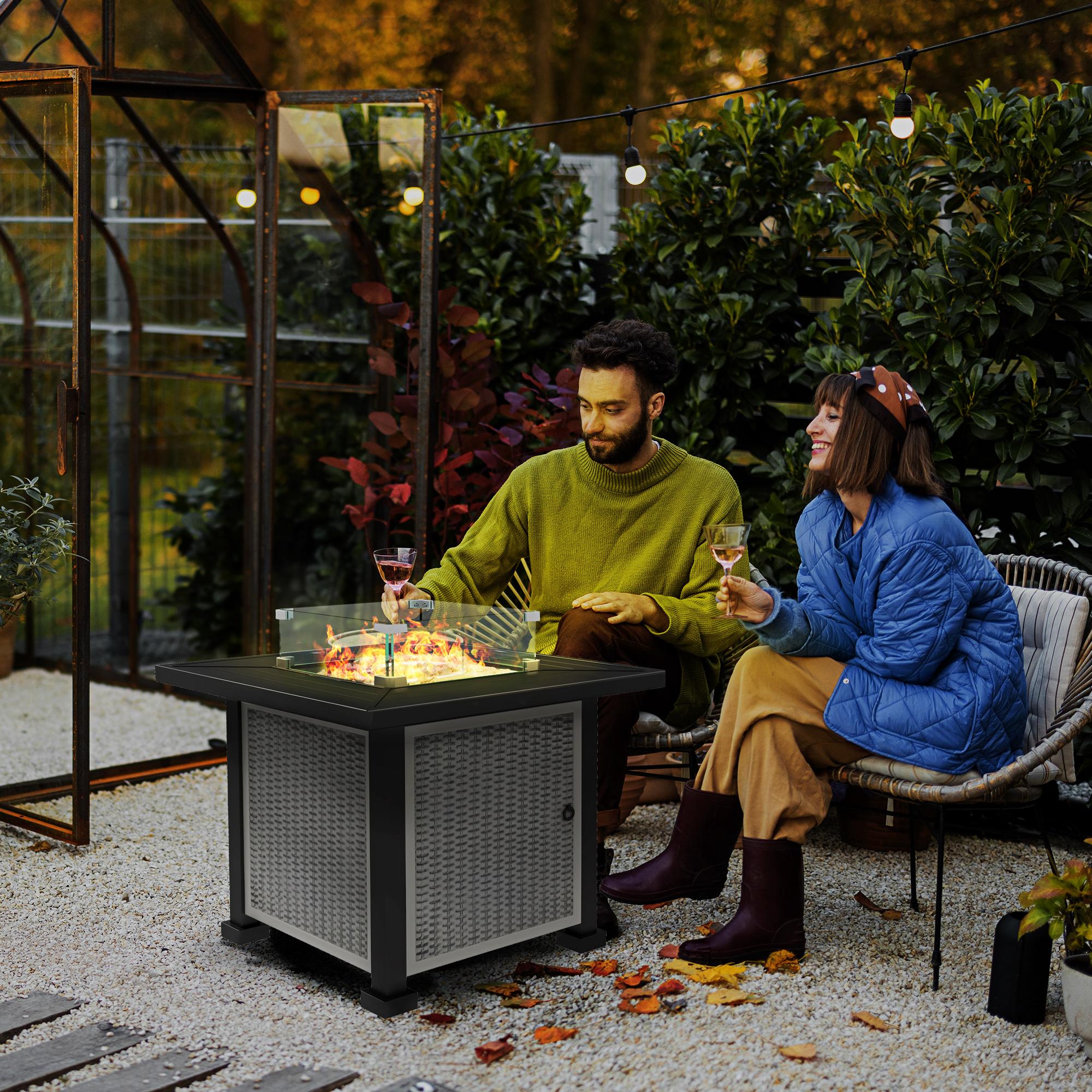
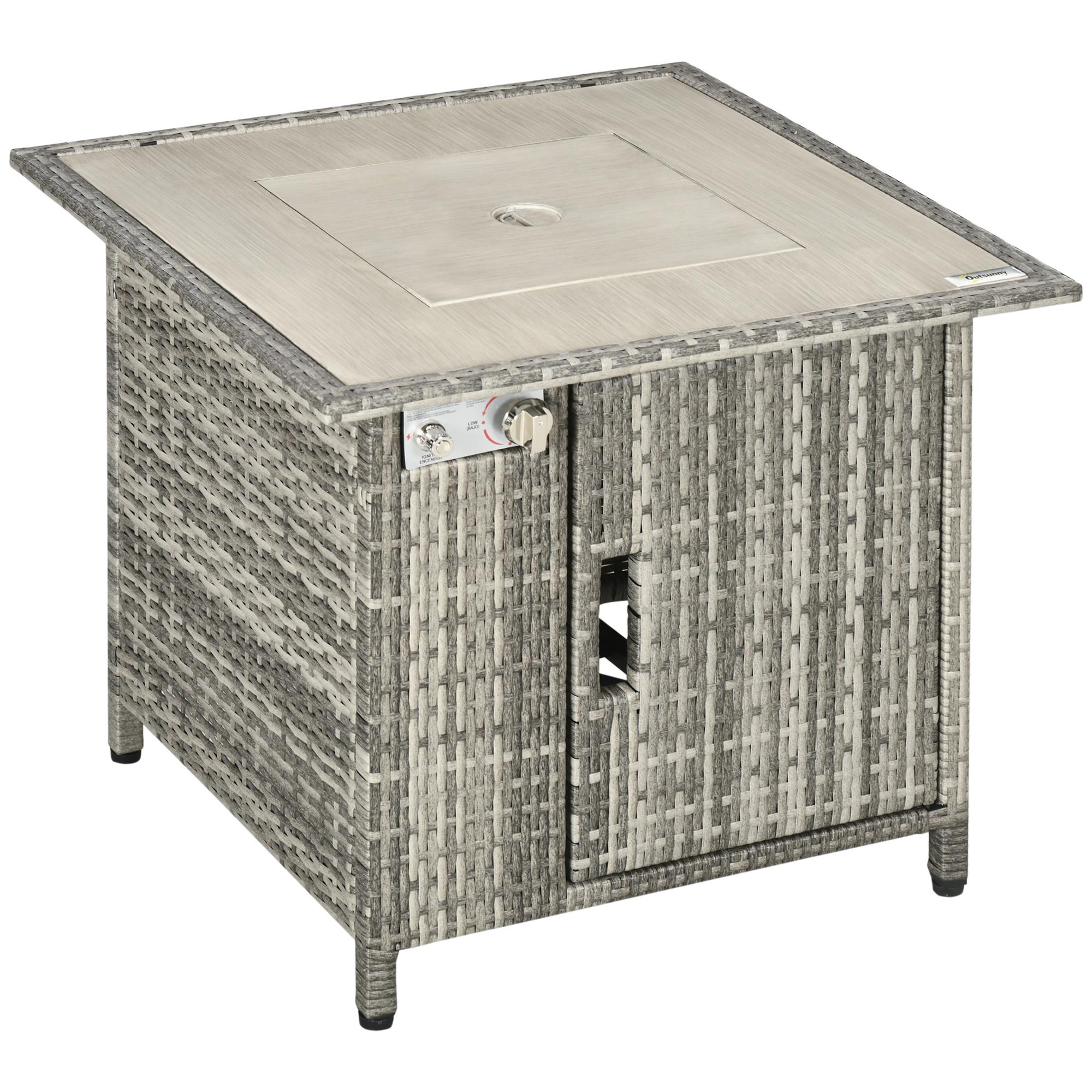
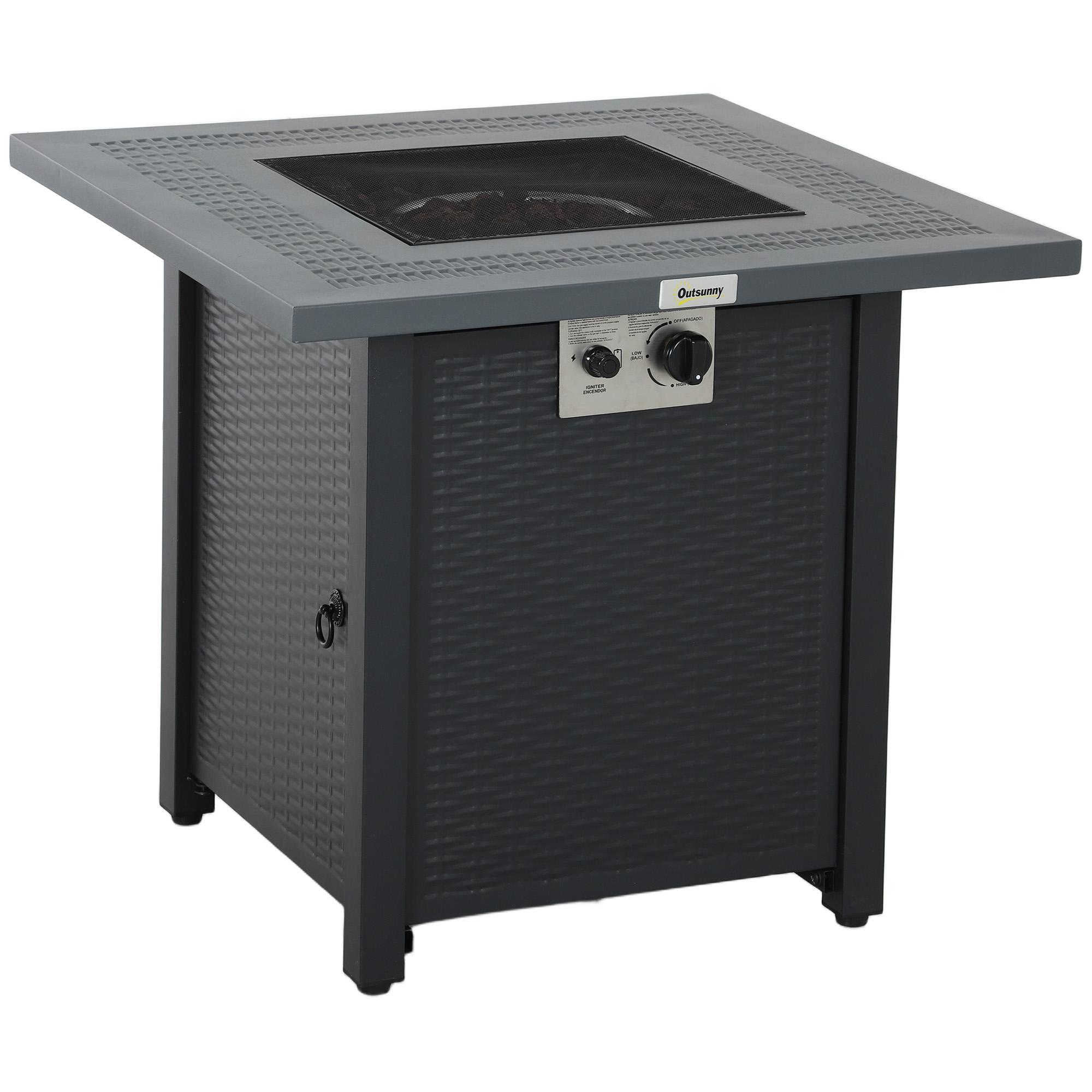
For a gas fire pit table, manufacturers typically ask for around a metre of clear space on every side and considerably more above — commonly two metres or more of open sky. The 50,000 BTU tables in our range are 81cm square and the 40,000 BTU models 71cm, so a table needs a footprint closer to three metres square once clearance is counted, not the 81cm the box describes.
For a wood-burning pit, add margin. Embers travel on the wind in a way gas flame does not, and a still evening is not a guarantee of a still hour.
The one clearance that is not negotiable is overhead cover. A gas fire pit under a gazebo, awning or umbrella is a carbon monoxide risk, not a comfort choice. Combustion needs open air above it. If it is raining hard enough that you want a roof, it is an evening for the electric heater instead.
What to stand it on
Level, solid and non-combustible, in that order. Level matters more than people expect on a gas table: 32kg of steel and a propane cylinder on soft ground that has taken a week of rain is how a fire pit tips.
Paving, stone and concrete are fine. Grass is not — it kills the lawn beneath, and turf is rarely as flat as it looks. Decking is the one that catches people out. Composite and timber both scorch, and radiated heat travels downwards from a fire bowl more than you would guess, so a fire pit on decking wants a heat-resistant mat or paving slab underneath it even when the model has legs.
Our portable smokeless wood burner is 48.5cm across and stands 38.5cm high, which puts the bowl well clear of the ground — useful, and still not a substitute for a non-combustible base.
Gas, wood and electric have different risks
Gas is the most predictable and the least forgiving of carelessness with the cylinder. Keep the bottle upright, outdoors and ventilated, never inside a sealed cabinet. Turn the gas off at the cylinder first and let the burner consume what is left in the line, rather than shutting the burner and leaving the hose charged. Check the hose each spring for perishing, and replace it on the manufacturer's schedule rather than when it looks bad.
Wood is the most sociable and the messiest. Burn dry, seasoned hardwood and nothing else. Never treated or painted timber, never pallets, never anything that has been stained or glued — the smoke is genuinely toxic and the residue ruins a stainless bowl. Never use petrol, meths or barbecue lighter fluid to start or revive it.
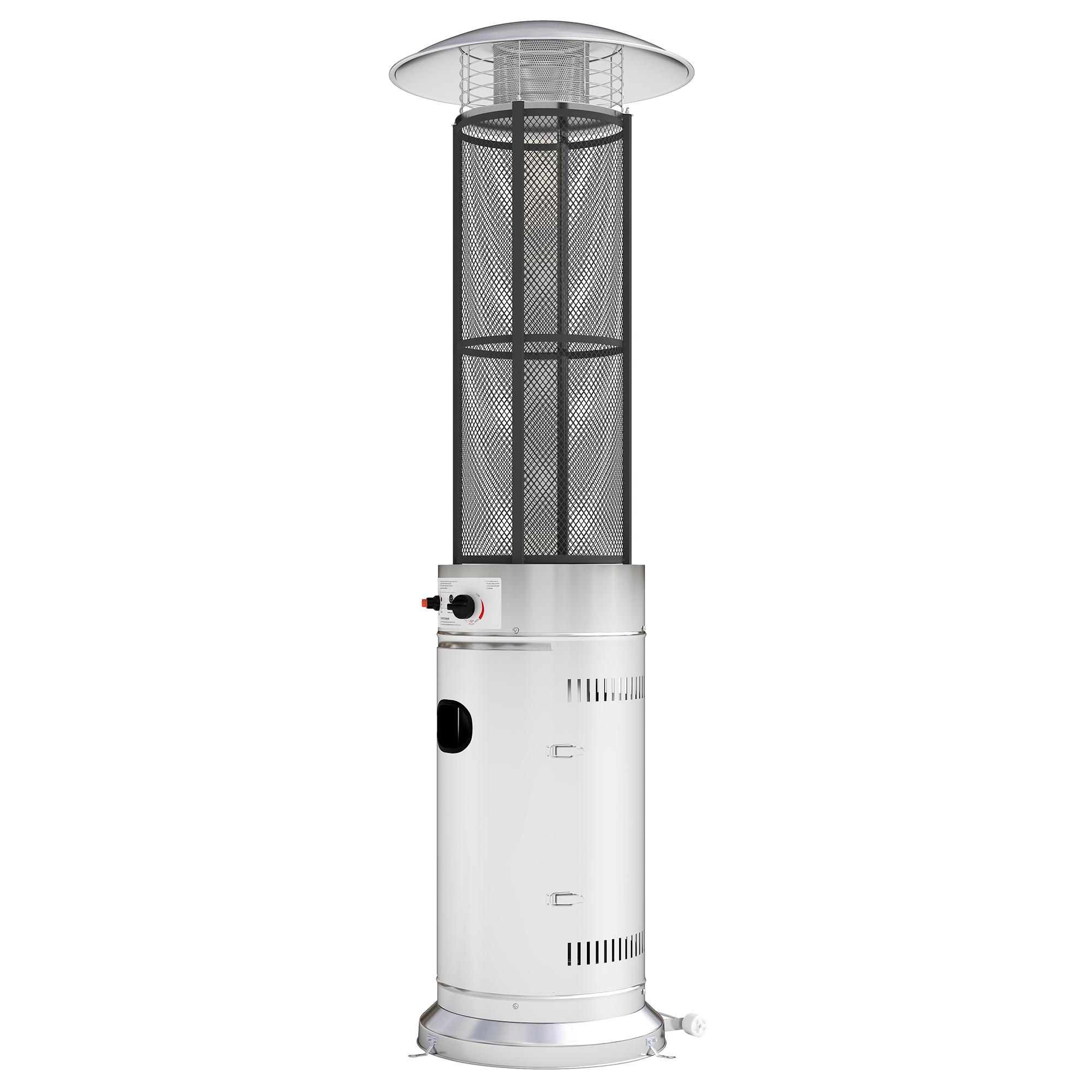
Electric is the safest and the least atmospheric. The ceiling-mounted infrared and hanging heaters in the range run at 1,000W to 2,500W, produce no combustion products at all, and can therefore sit under cover where a gas pit cannot. The thing to check is the IP rating against where you are actually mounting it, not whether the listing says outdoor.
Putting it out, and the bit everyone skips
Gas goes out at the cylinder valve. Wood does not go out because you have stopped adding to it — embers hold enough heat to reignite dry material for hours. Let it burn down where you can, then douse with water or smother with sand, and stir the ash so the heat below the surface is reached too. A pit that feels cool on top can be hot 3cm down.
Never move a fire pit that is still warm, and never empty ash into a plastic or wheeled bin. Ash goes into a metal container, outdoors, and stays there overnight before it goes anywhere near a bin.
Over winter
Water sitting in a fire bowl through a British winter does more damage than a season of use. Cover it, or turn the bowl over, or bring it in. Disconnect the cylinder and store it upright outside — not in a shed with a lawnmower and a can of petrol, and never in the house.
And check the lava rock or fire glass in a gas table before the first light of the season. Rock that has absorbed water can crack and spit when it heats. It is a five-minute check that avoids the one genuinely startling failure mode these tables have.