Which planter material actually survives a British winter outside?
Terracotta and other unglazed ceramic are the classic winter casualty: the material is porous, it absorbs water from wet soil and rain, and when that trapped water freezes it expands and cracks the pot from the inside — often in a spot you don't notice until spring. Stoneware and glazed ceramic resist this better since less water gets in to begin with, but neither is completely immune if water pools at the base and freezes there. Metal and synthetic rattan don't crack from ice at all, which is the real reason they dominate planters marketed for year-round outdoor use.
What follows is which of our own materials need bringing in or wrapping for winter, and which can stay out without a second thought.
| Material | Winter risk | What to do |
|---|---|---|
| Terracotta / unglazed ceramic | High — cracks as trapped water freezes | Bring in, or wrap and raise off the ground |
| Stoneware / glazed ceramic | Moderate — less porous, still at risk if water pools | Raise on pot feet so water drains rather than pooling |
| Stone / stone-effect (resin) | Low — dense and largely non-porous | Fine outside; check the base still drains |
| Metal | Low for cracking; conducts cold to roots | Fine outside; insulate the root ball in hard frost |
| Synthetic rattan / wicker | Low — doesn't absorb water | Fine outside year-round |
| Untreated wood | Moderate — rots rather than cracks | Ensure drainage; a liner helps |
Work it out here
Check the volume before you buy or repot
Across the top, inside
Inside, to the base
Optional — the nursery pot it came in
Enter the planter’s size, or the pot your plant came in.
Rule one. It's the trapped water that breaks a pot, not the cold itself
Frost alone doesn't crack a planter — water absorbed into a porous material, then freezing and expanding inside it, does. This is why raising any porous pot on pot feet, so water drains away from the base rather than sitting and freezing there, meaningfully reduces the risk even for a material that can't be brought inside.
It's also why the same terracotta pot can survive several mild winters and then crack in one hard one — the risk scales with how wet the pot gets and how hard the frost is, not with age or a manufacturing flaw.
Rule two. Metal survives the frost but chills the roots
A metal planter won't crack from freezing water, but metal conducts cold efficiently, which can chill a plant's roots more than a material that insulates a little, like wood or thick stoneware. This matters more for a plant that's already borderline hardy for your area than for something reliably frost-tolerant regardless of pot material.
Wrapping the sides in hessian or bubble wrap through the coldest weeks addresses this without needing to move the planter at all — a practical middle ground between leaving it fully exposed and bringing it inside.
Rule three. Synthetic rattan is the least fussy of the lot
Woven synthetic rattan — as opposed to natural, untreated wicker — doesn't absorb water the way terracotta does and doesn't conduct cold the way metal does, which is why it copes with a UK winter with essentially no extra care. It's a reasonable default where winter hardiness matters more than the specific material's look.
Our planters, by material
Sorted from the material needing the most winter care to the least.
| Planter | Material | Winter care needed |
|---|---|---|
| Yuri Small Terracotta Gold Spotted | Terracotta | Bring in or wrap and raise off the ground |
| Yuri Large Terracotta Gold Spotted | Terracotta | Bring in or wrap and raise off the ground |
| Honna Small White Silver Ceramic | Glazed ceramic | Raise on pot feet |
| Kiso Black Large Stoneware | Stoneware | Raise on pot feet |
| Arlo Large Engraved Wooden Planter | Wood | Ensure drainage; a liner helps |
| Eucalyptus Plant in Stone Effect Pot | Stone-effect (resin) | Fine outside year-round |
| Depok Small Rattan Planter with Metal Stand | Synthetic rattan, metal stand | Fine outside; check the stand for rust |
| Depok Large Rattan Planter with Metal Stand | Synthetic rattan, metal stand | Fine outside; check the stand for rust |
The short version
It's trapped water freezing and expanding that cracks a pot, not cold on its own — terracotta and unglazed ceramic are most at risk, stoneware and glazed ceramic less so, and stone-effect, metal and synthetic rattan largely aren't. Raise porous pots on feet so water drains, wrap metal against root chill in hard frost, and terracotta is the one material genuinely worth bringing inside.
Common questions
- Can terracotta pots be left outside in winter?
- Not safely in a hard UK frost — terracotta absorbs water, and that water freezing and expanding inside the material is what cracks it. Bringing it in, or wrapping it and raising it on pot feet so water drains rather than pools, both reduce the risk significantly.
- What planter material is best for a British winter?
- Synthetic rattan, metal and stone-effect resin all cope well — none absorb water the way terracotta does, so none crack from freezing. Metal conducts cold to the roots, which is worth insulating against in hard frost even though the pot itself is safe.
- Do glazed ceramic pots crack in frost?
- Less often than unglazed terracotta, since the glaze reduces how much water the material absorbs, but it isn't fully immune — water pooling and freezing at an unglazed base or a chip in the glaze can still cause damage. Pot feet that let water drain away help either way.
- Does a wooden planter need protecting in winter?
- The risk with wood is rot rather than cracking, since it doesn't freeze and expand the way ceramic does. Good drainage — and a liner, so the wood itself isn't sitting directly in wet soil — matters more than frost protection specifically.
- Why do metal planters get so cold?
- Metal conducts heat and cold efficiently, so a metal planter's contents can get colder than the same plant would in an insulating material like wood or thick stoneware, even though the pot itself won't crack. Wrapping the sides in hard frost protects the roots without needing to move the planter.
The pieces in this guide
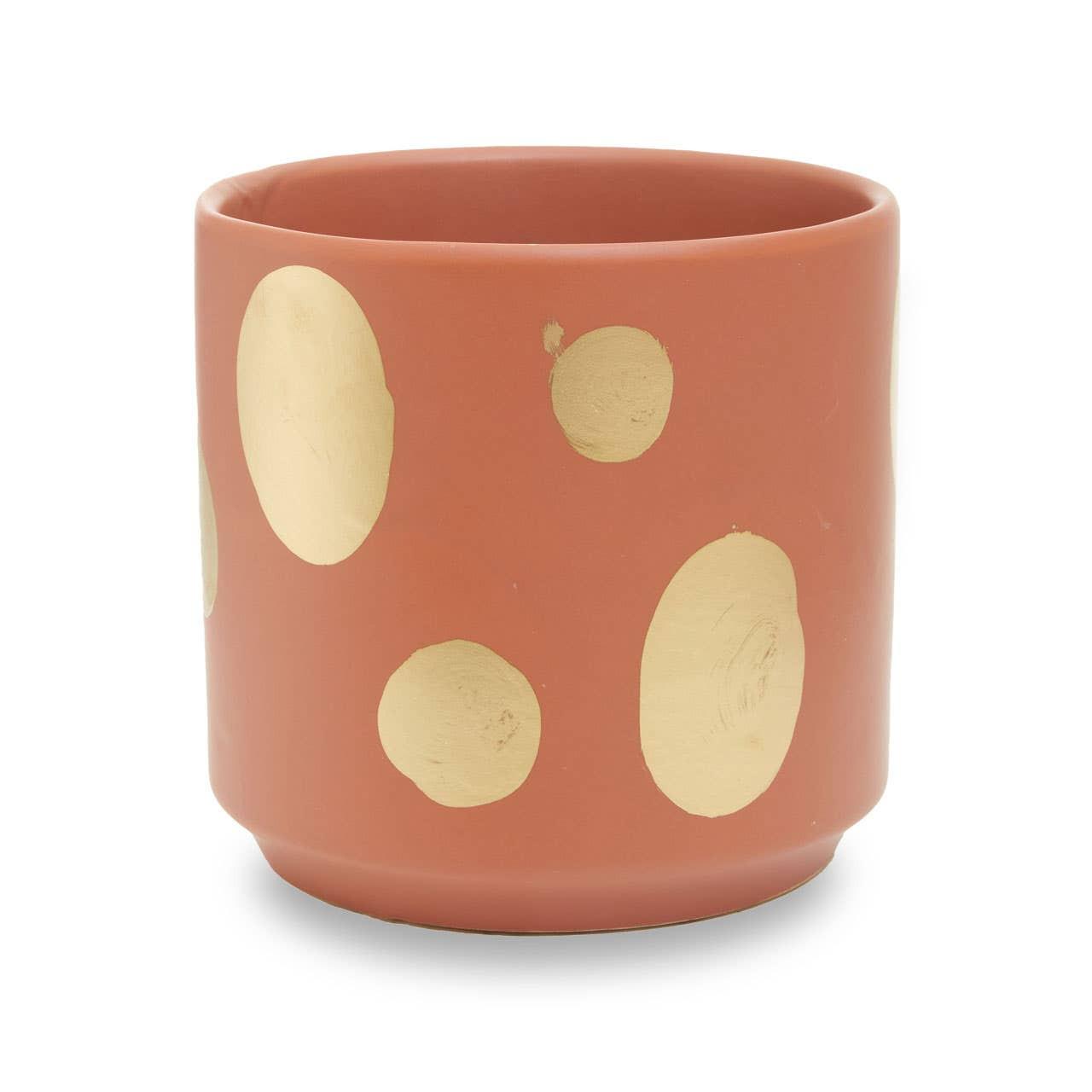
Yuri Small Terracotta Gold Spotted Planter
£26
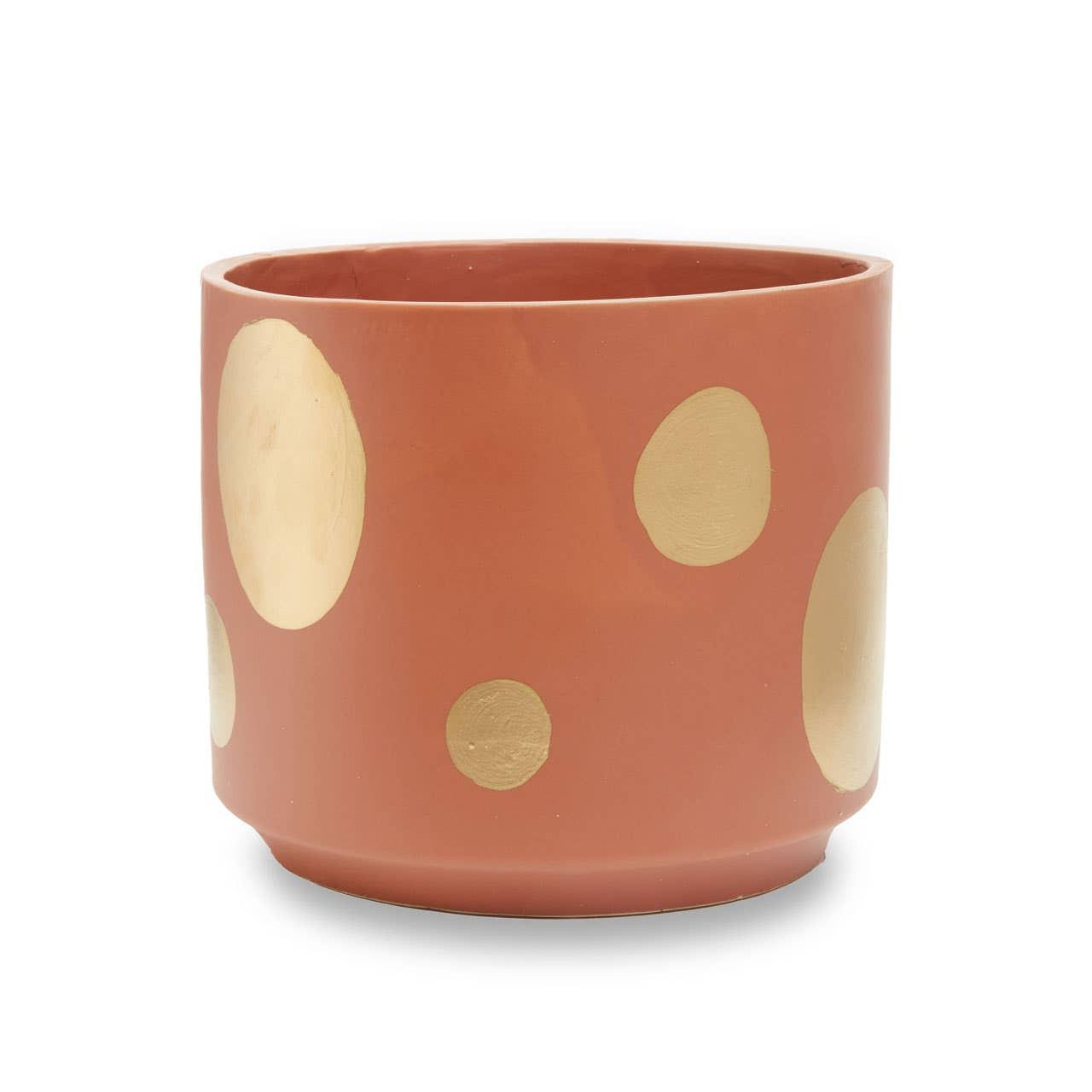
Yuri Large Terracotta Gold Spotted Planter
£29
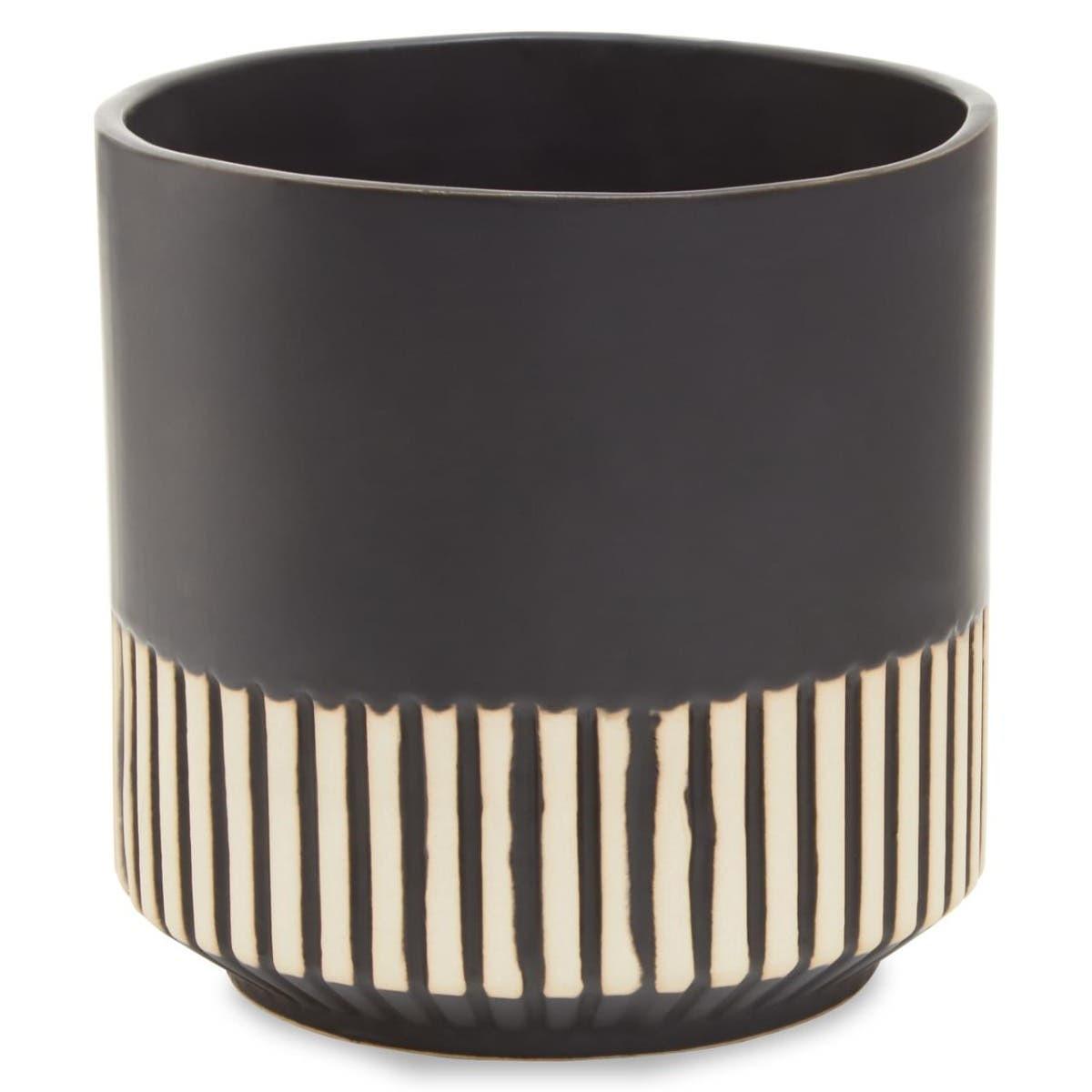
Kiso Black Large Stoneware Planter
£23
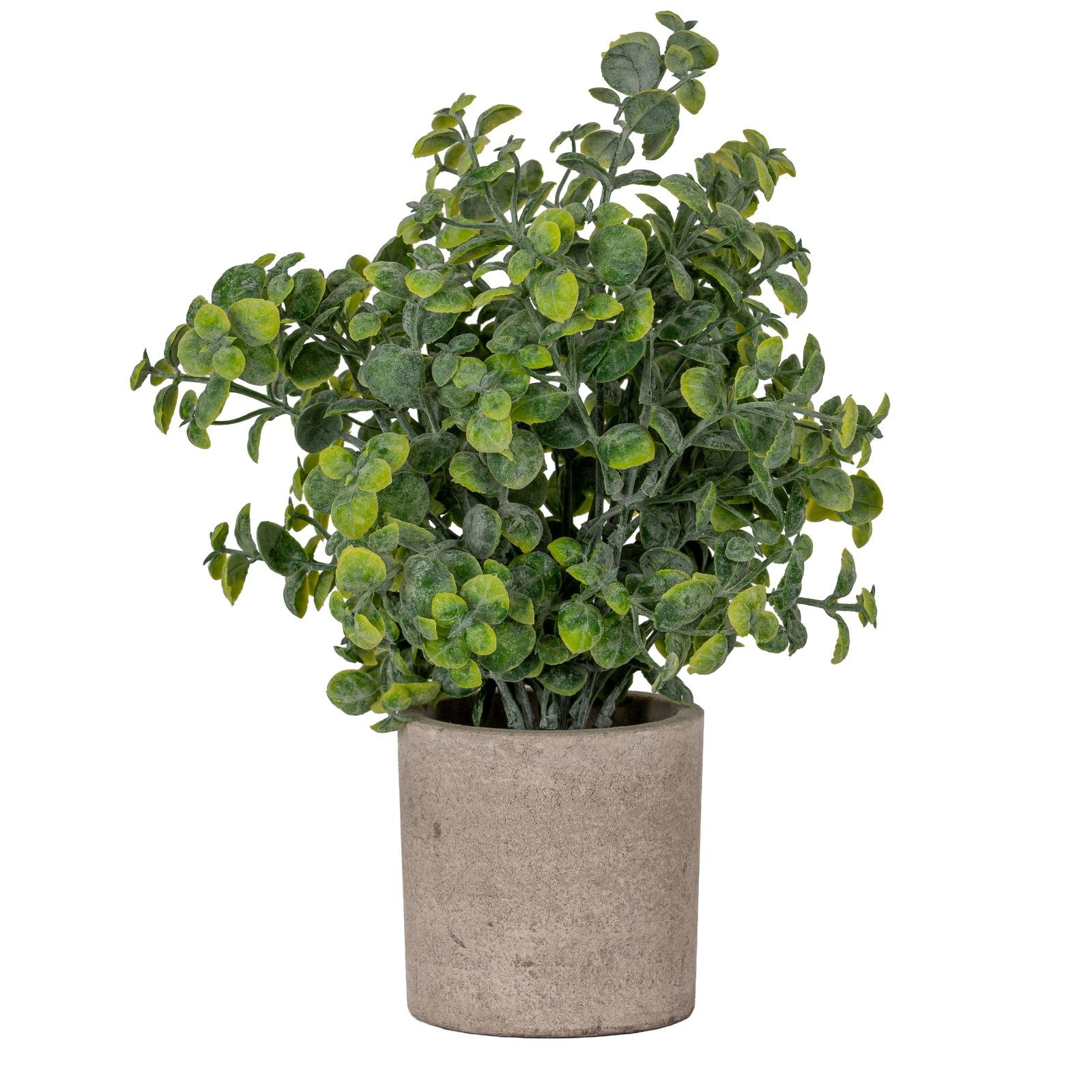
Eucalyptus Plant In Stone Effect Pot
£23
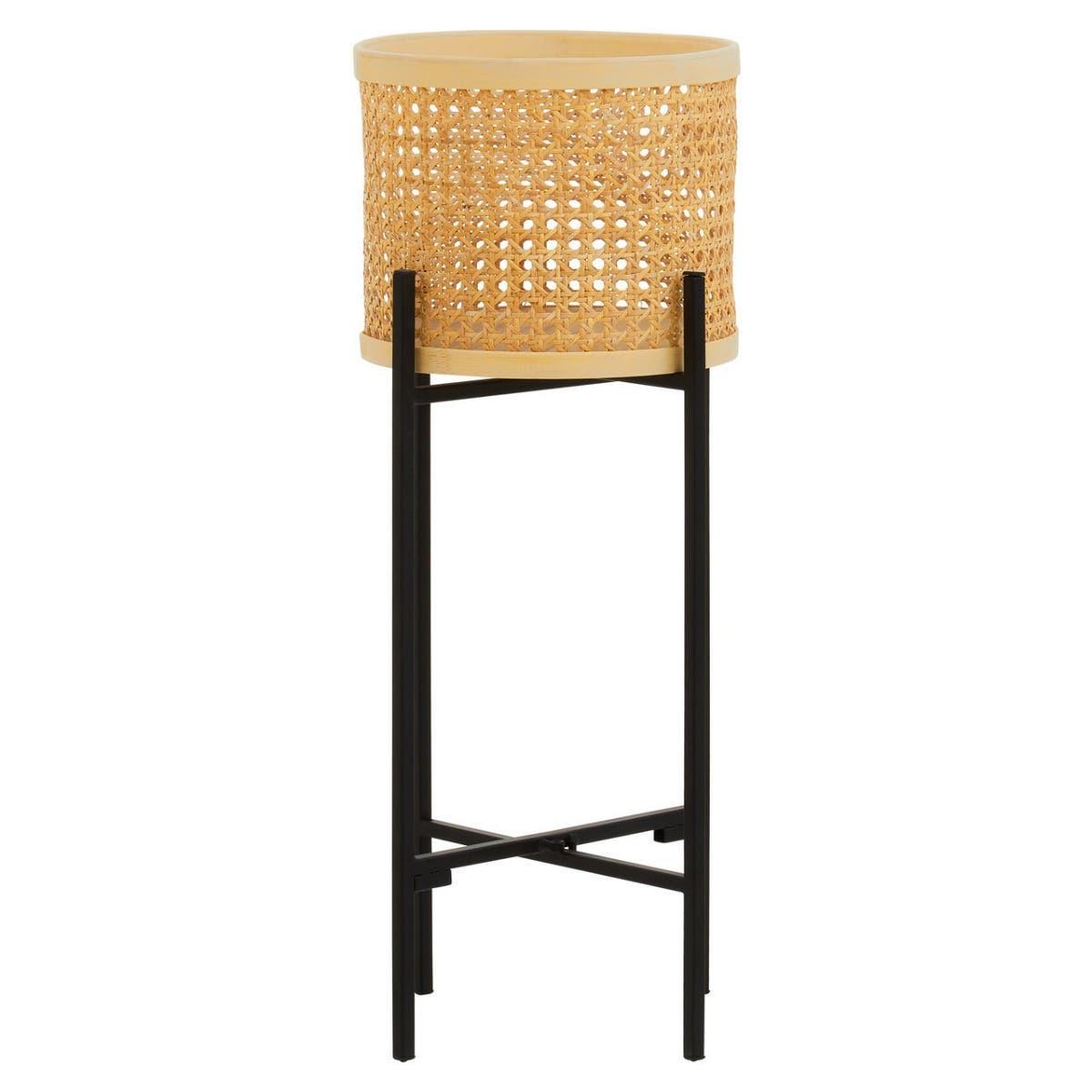
Depok Small Rattan Planter with Metal Stand
£74
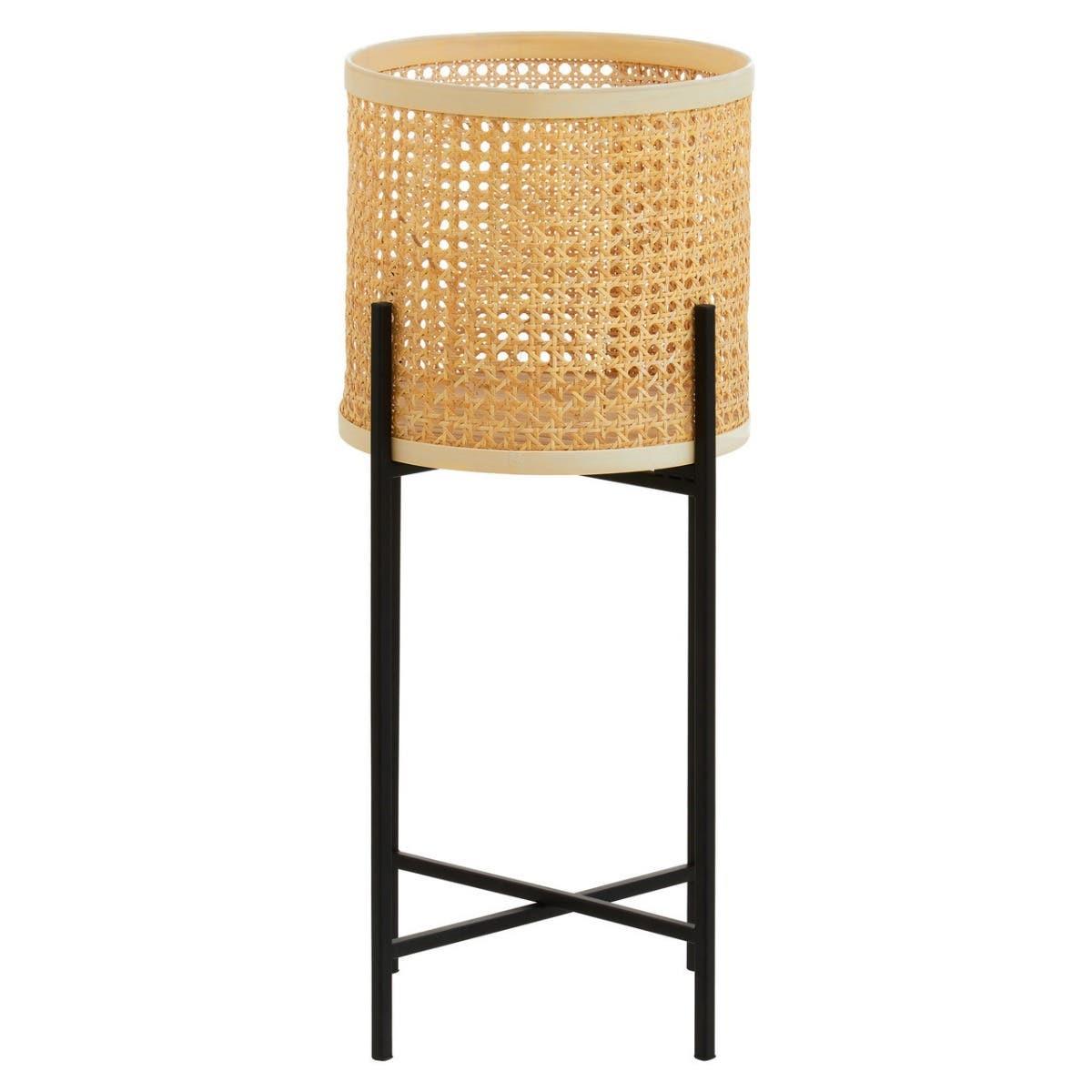
Depok Large Rattan Planter with Metal Stand
£89
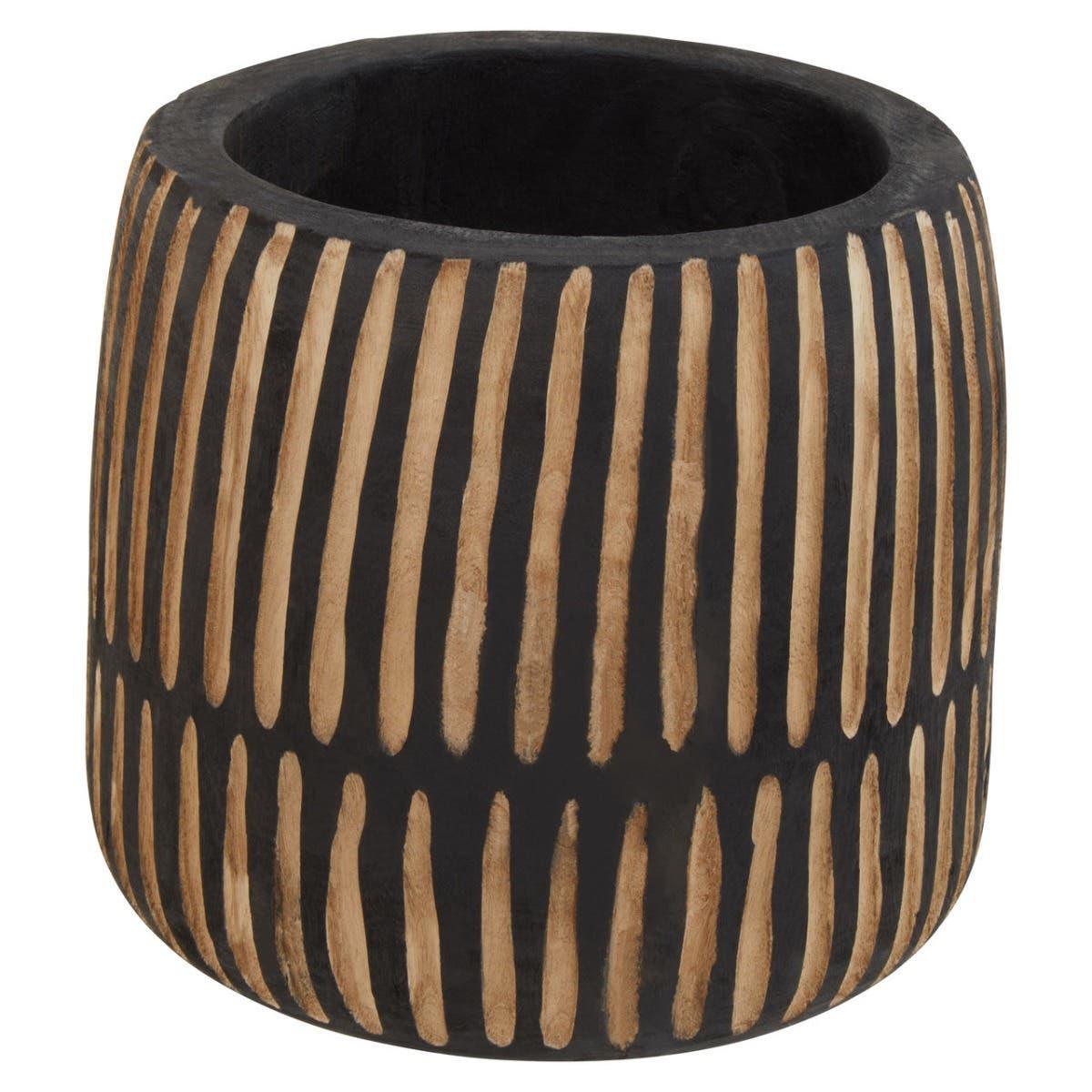
Arlo Large Engraved Natural And Black Wooden Planter
£75
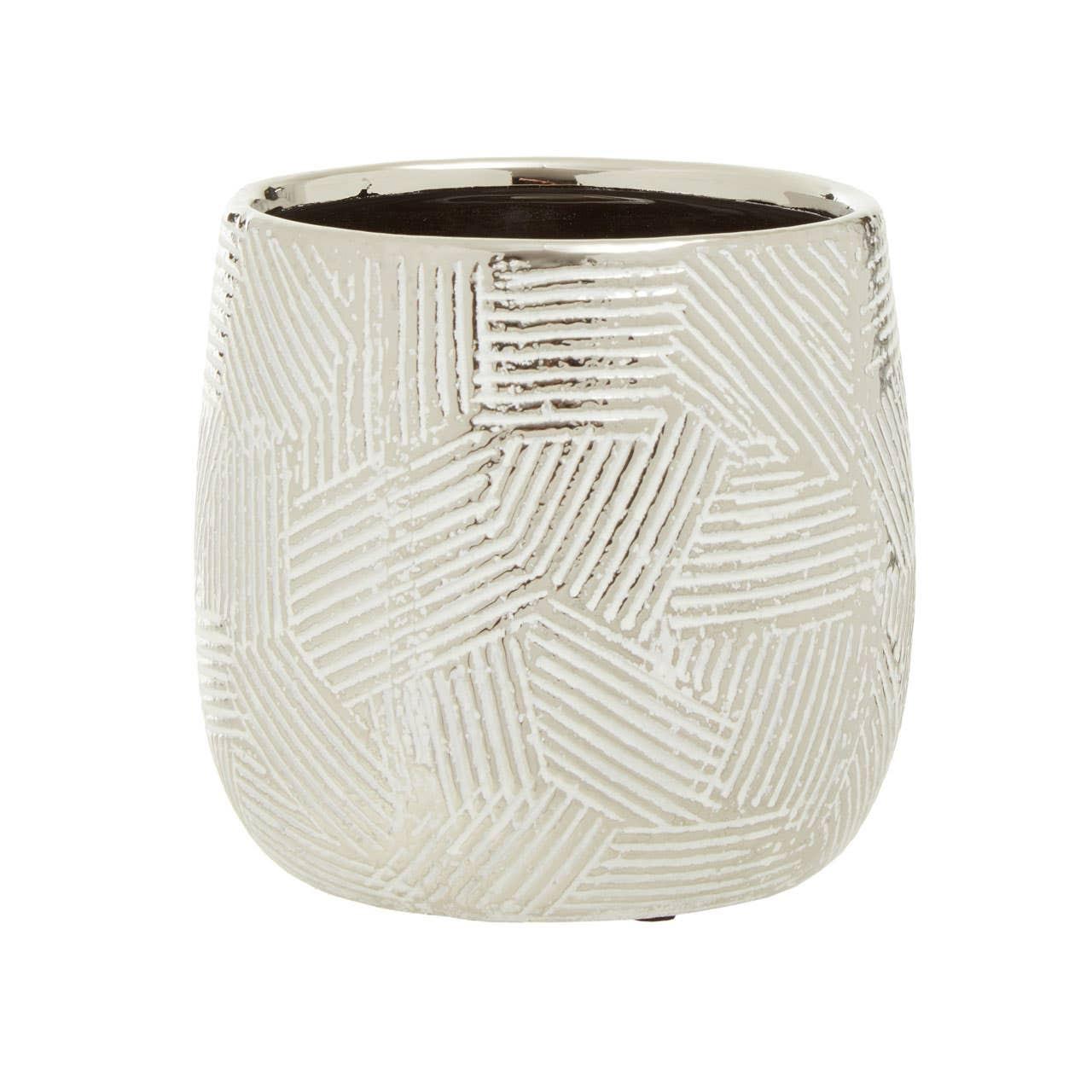
Honna Small White Silver Ceramic Planter
£24