A vase should stand about half to two-thirds the height of the finished arrangement. A 30cm vase therefore suits flowers standing 45–60cm above the table, which means stems bought at roughly 50–70cm once you allow for what sits below the waterline.
The second number matters more and nobody quotes it: the neck. A narrow neck holds the stems upright for you and looks full with five. A wide mouth lets them fall outwards and needs fifteen to twenty before it stops looking sparse. That is the difference between a bunch that works at home and one that collapses on the table.
| Vase height | Finished height | Stems to buy | Stems needed |
|---|---|---|---|
| 15cm | 25–30cm | 30–40cm | 3–5 narrow, 10–12 wide |
| 20cm | 30–40cm | 40–50cm | 5–7 narrow, 12–15 wide |
| 30cm | 45–60cm | 50–70cm | 7–10 narrow, 15–20 wide |
| 40cm | 60–80cm | 70–90cm | Branches, or 20–25 stems |
| 55cm+ | 80–110cm | Branches and dried stems | 3–7 sculptural stems |
Work it out here
Your vase, and what to buy for it
Leave blank if you are shopping for one
Optional — the flowers as bought
Enter the height of the vase, or the length of the stems you have.
Rule one. Half to two-thirds
This is the ratio florists work to and it holds at every size. Shorter than half and the arrangement is top-heavy, both to look at and in practice — a wide bunch in a short vase tips.
Taller than two-thirds and the flowers vanish into the vessel. That can be a deliberate effect with three sculptural stems in a tall column, but it rarely works with a mixed bunch, where the point is the flowers rather than the silhouette.
Rule two. The neck decides how much you have to buy
A wide-mouthed vase needs enough stems that they support each other, and half-filled it reads as sparse rather than minimal. Filling one properly costs two or three supermarket bunches.
A narrow neck is far more forgiving. Three or five stems in a narrow-necked vase reads as considered; the same three in a wide bowl read as leftovers. If you buy flowers at a supermarket rather than a florist, narrow necks will serve you better and cost you less.
Rule three. A single stem wants a neck barely wider than it is
For one allium, a branch of blossom, a dried palm — the neck should be close to the diameter of the stem itself. Anything more and it leans, and a single leaning stem looks like an accident rather than a choice.
Bottle-necked vases exist for exactly this and are the easiest arrangement in the house: one stem, one vase, done.
Rule four. Fill-test a new vase in the sink
Not every decorative vessel holds water. Unglazed ceramic seeps slowly, some metals corrode from the inside, and anything assembled from parts can weep at the join. Fill a new vase and leave it half an hour before it goes anywhere near a wooden surface.
Where a vessel is not watertight, a glass jar or a florist's liner inside it solves the problem completely and is invisible once the flowers are in.
Rule five. Three vessels beat one
A single vase on a large surface almost always looks stranded. Three of different heights, grouped close enough to read as one object, hold a table or a mantelpiece far better — and cost less in flowers, because two of the three can take a single stem or nothing at all.
Odd numbers and varied heights are the whole trick. A matched pair at the same height reads as a shop display; three at different heights read as somebody having made a decision.
Where it stands
Dining table. Under 30cm, without exception, because people have to see over it. A pair of low bowls down the length of a long table works better than one tall arrangement in the middle, which nobody at the table can see past.
Console and hallway. This is where height belongs. 40–55cm, with branches or tall stems, seen from a distance and from one side only.
Mantelpiece. Two or three vessels of different heights, grouped towards one end rather than centred. Keep the tallest under the height of whatever hangs above it, or the two objects fight.
Kitchen worktop. 15–20cm and watertight, because it will be knocked. This is the position for a single supermarket bunch cut short.
Floor. 50cm and up, and heavy enough not to go over. Branches rather than flowers — pussy willow, eucalyptus, anything that lasts months rather than days.
Eight of our vases, and what to buy for them
Rule one applied to our own stock. Shape is taken from the widest measurement against the height — a vessel as wide as it is tall behaves like a bowl however it is described.
| Vase | Height | Proportion | Stems to buy |
|---|---|---|---|
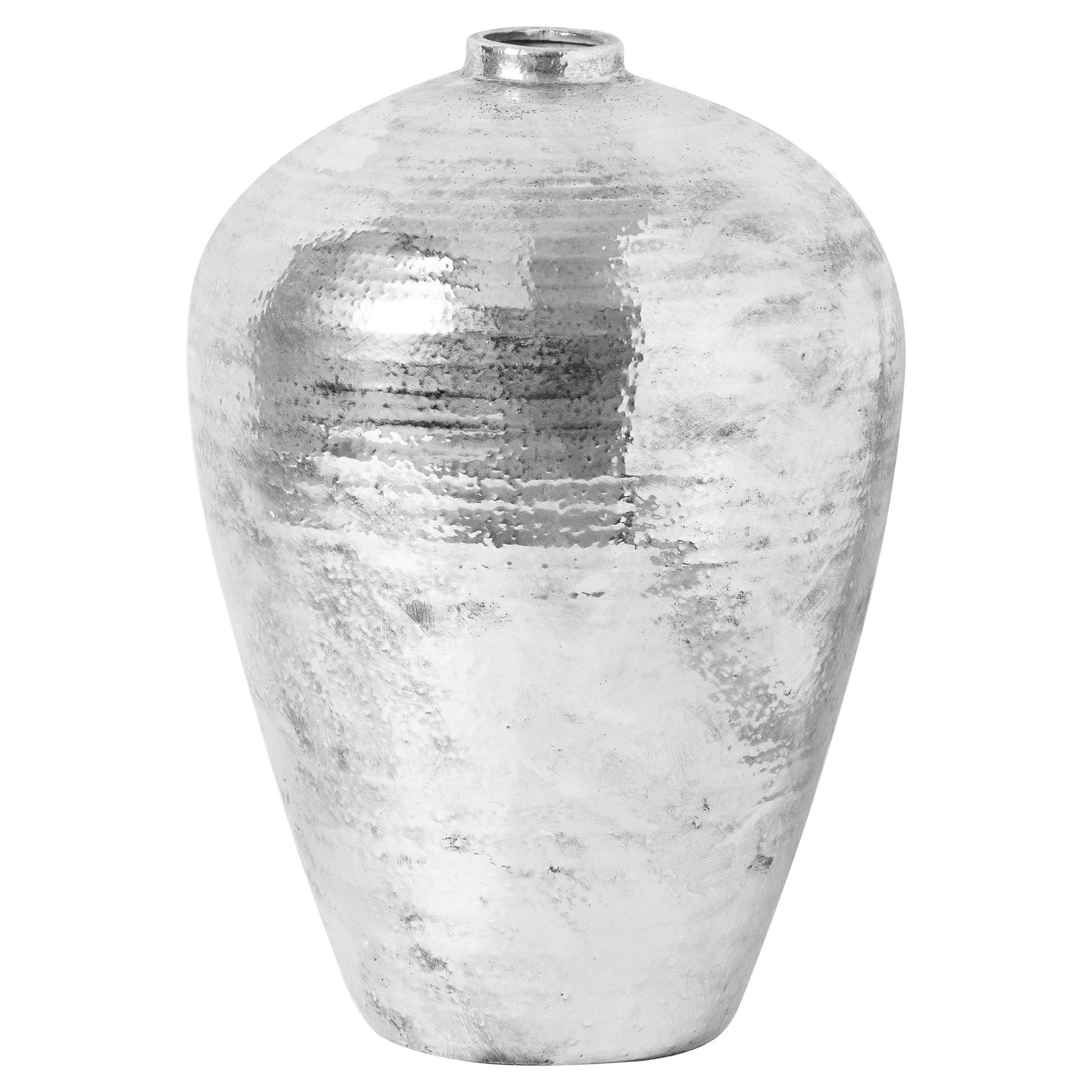
| Large Hammered Silver Astral Vase | 57cm | Classic proportion | 95–125cm stems |
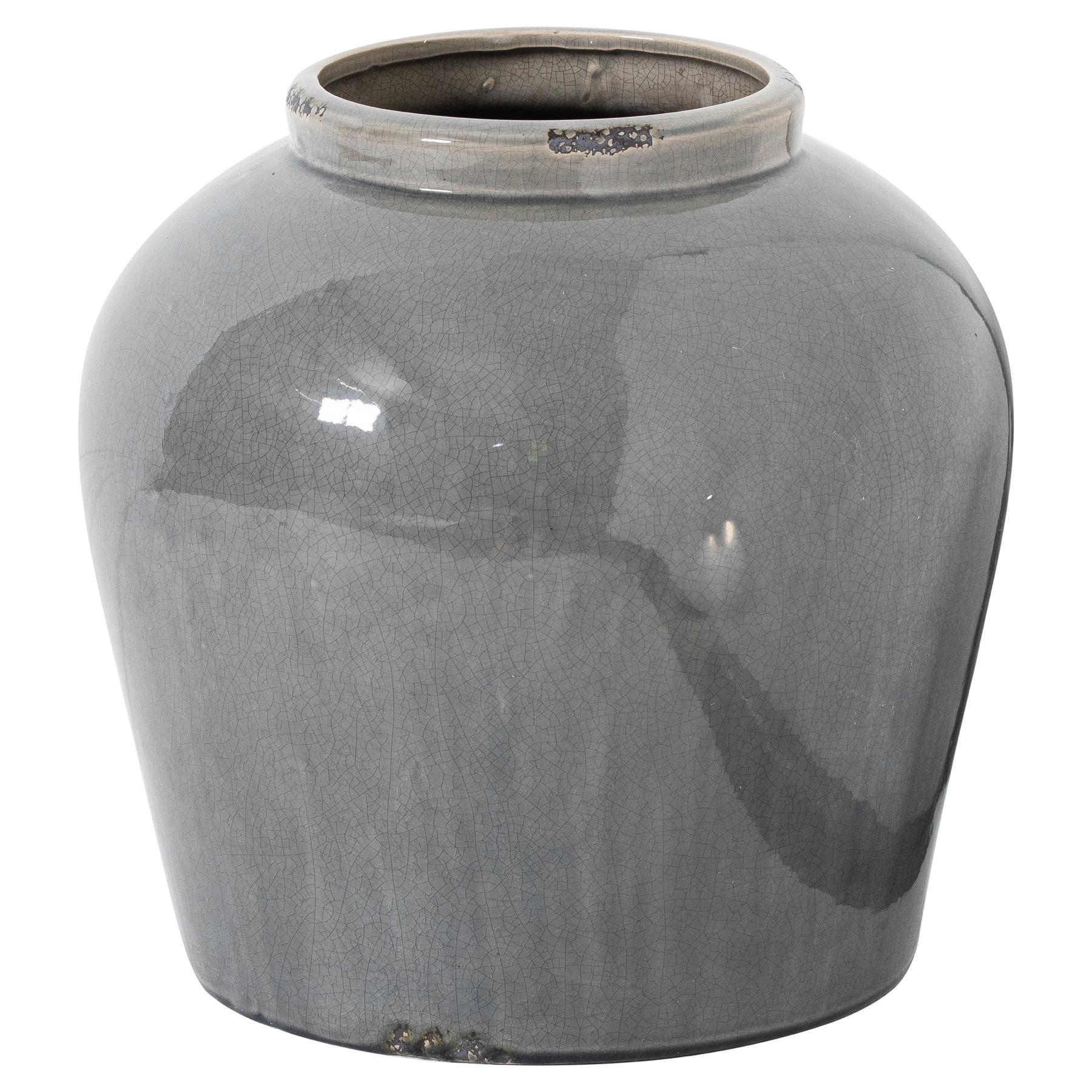
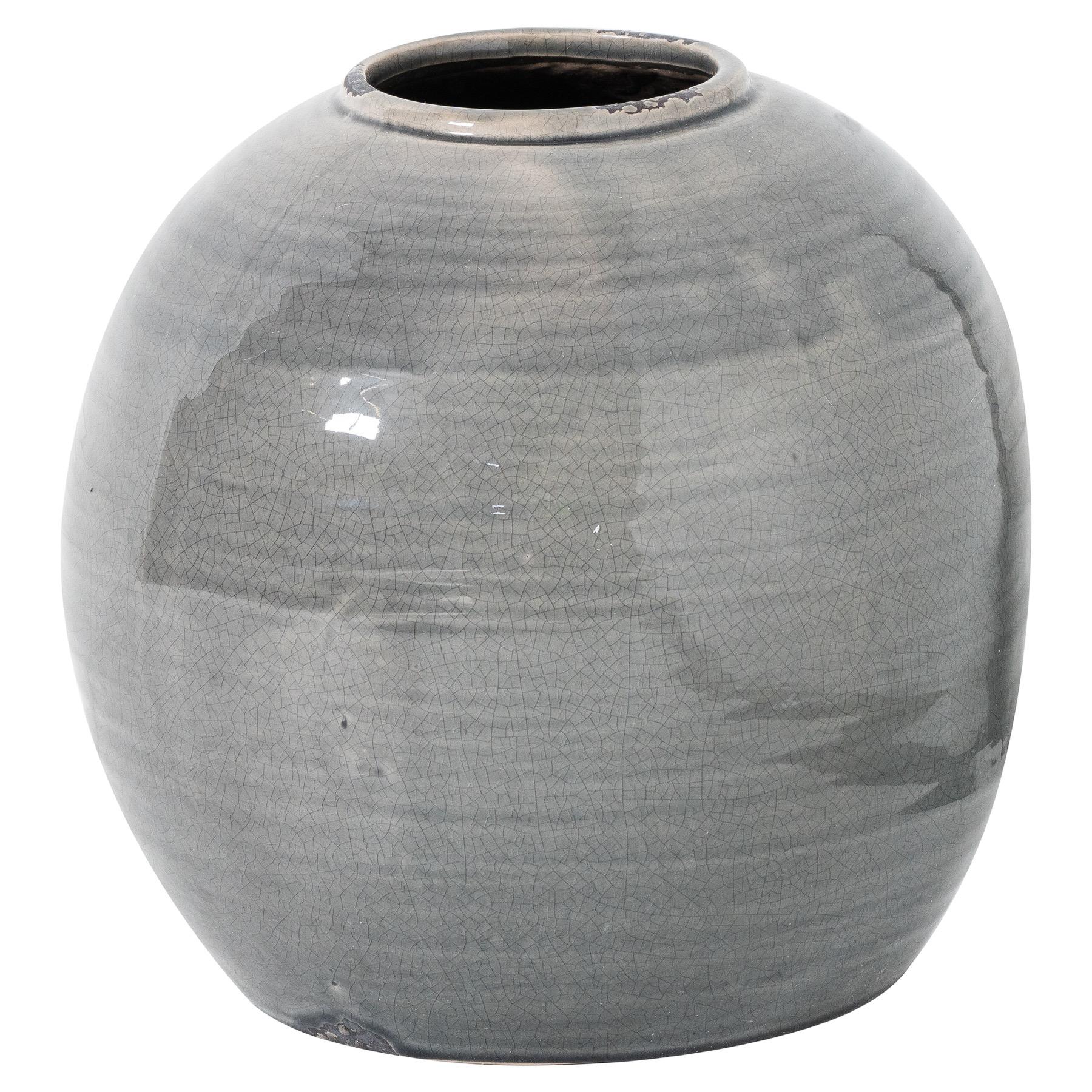
| Garda Grey Glazed Juniper Vase | 37cm | As wide as it is tall | 65–80cm stems |
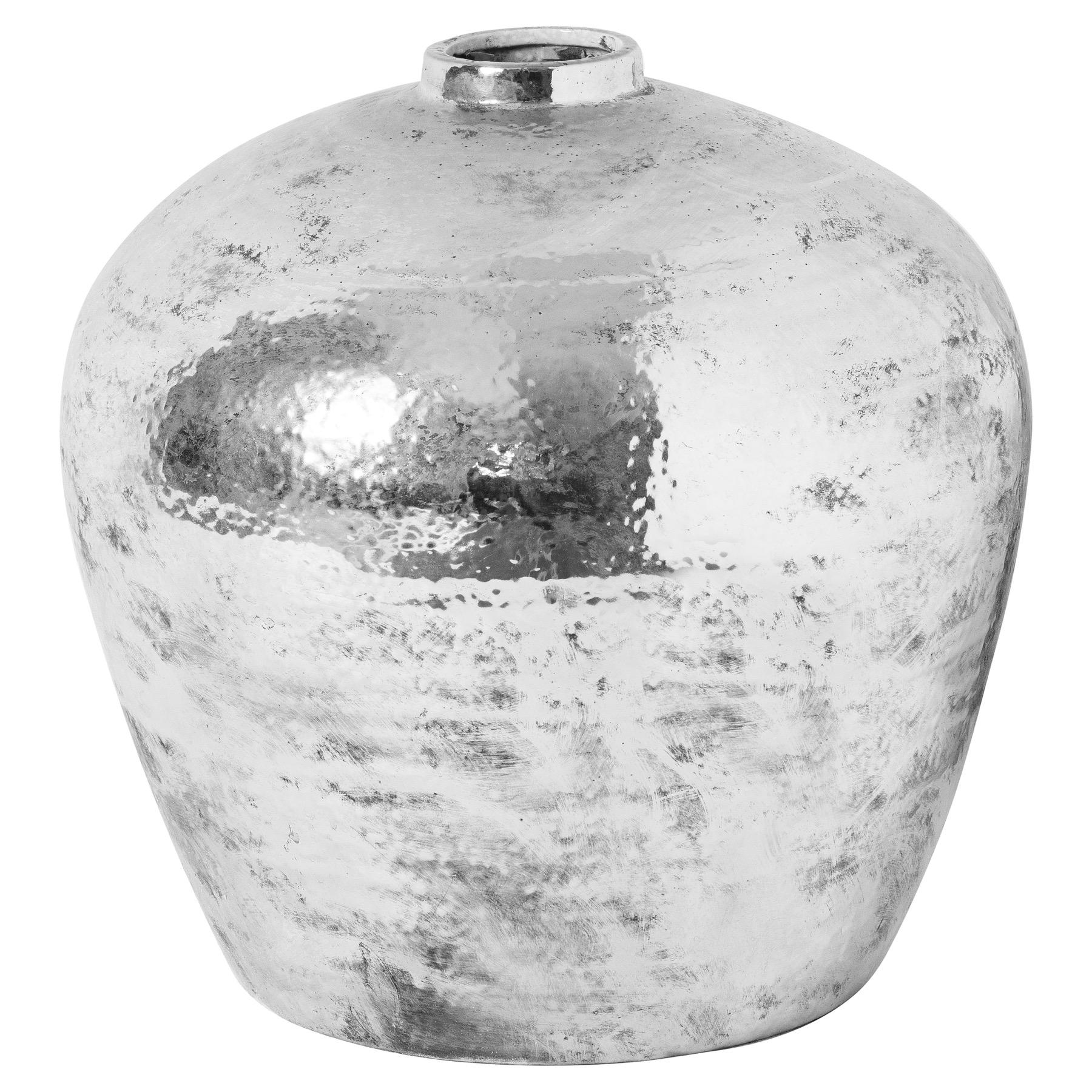
| Hammered Silver Astral Vase | 38cm | As wide as it is tall | 65–85cm stems |
| Downton Large Antique White Vase | 41cm | As wide as it is tall | 70–90cm stems |
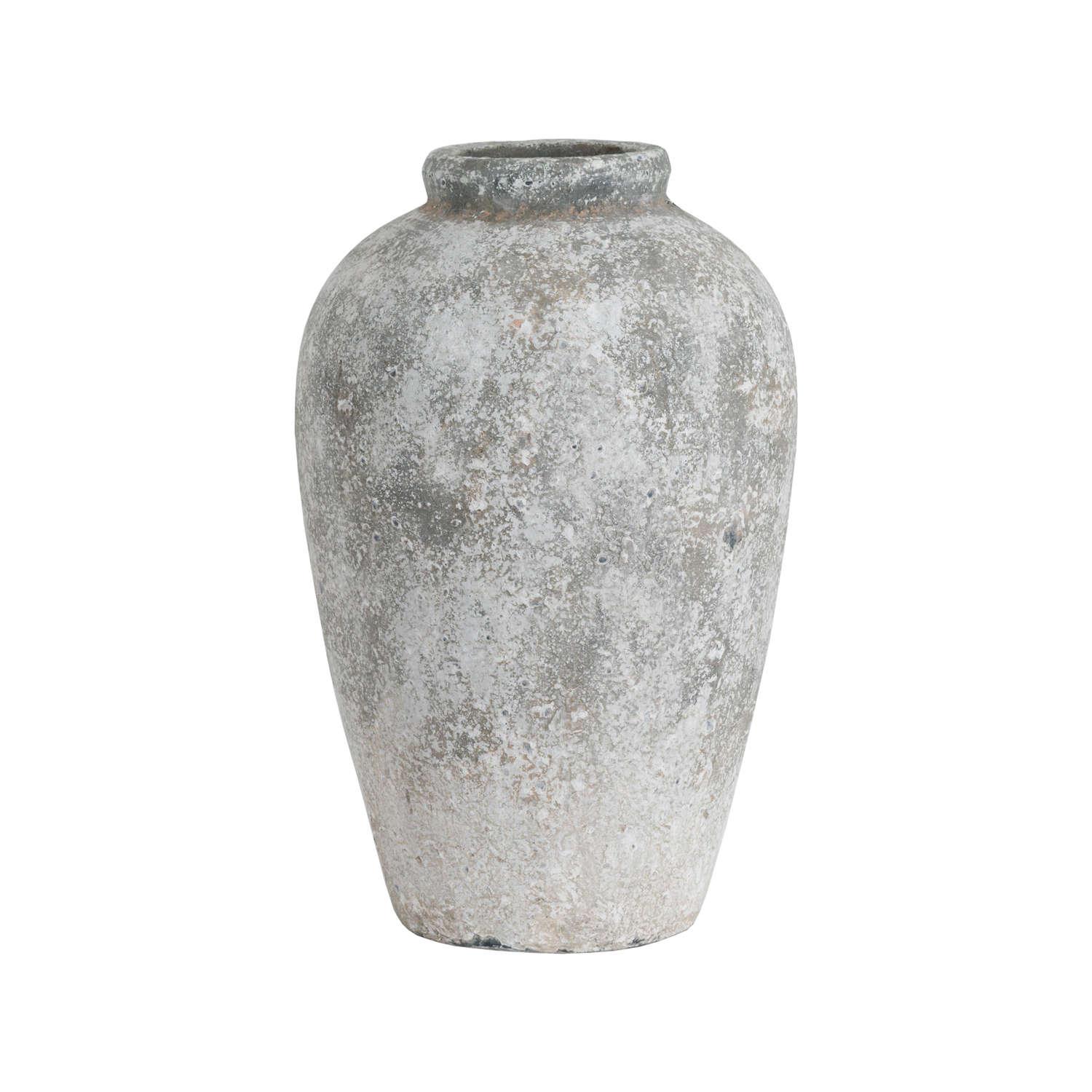
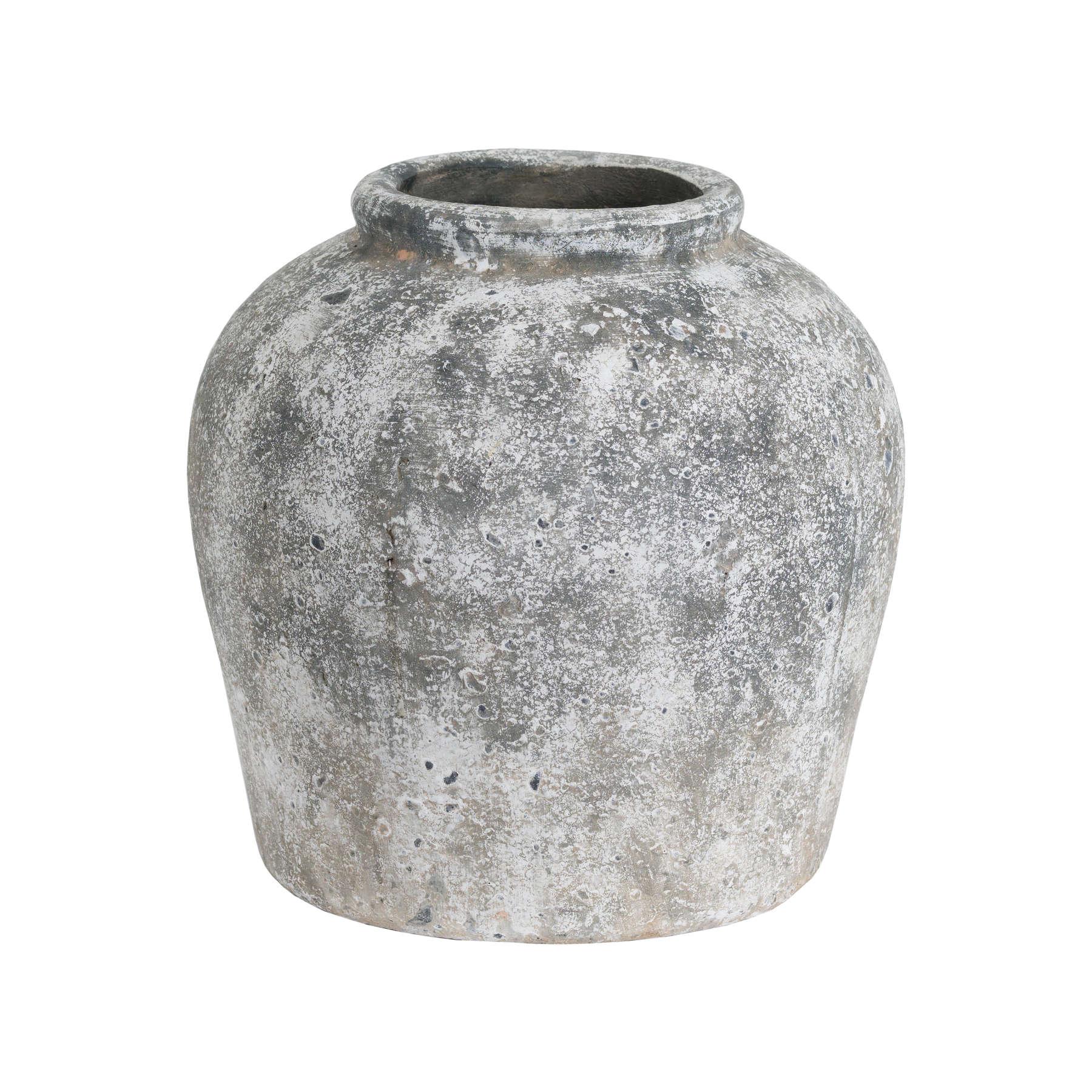
| Aged Stone Tall Ceramic Vase | 45cm | Classic proportion | 75–100cm stems |
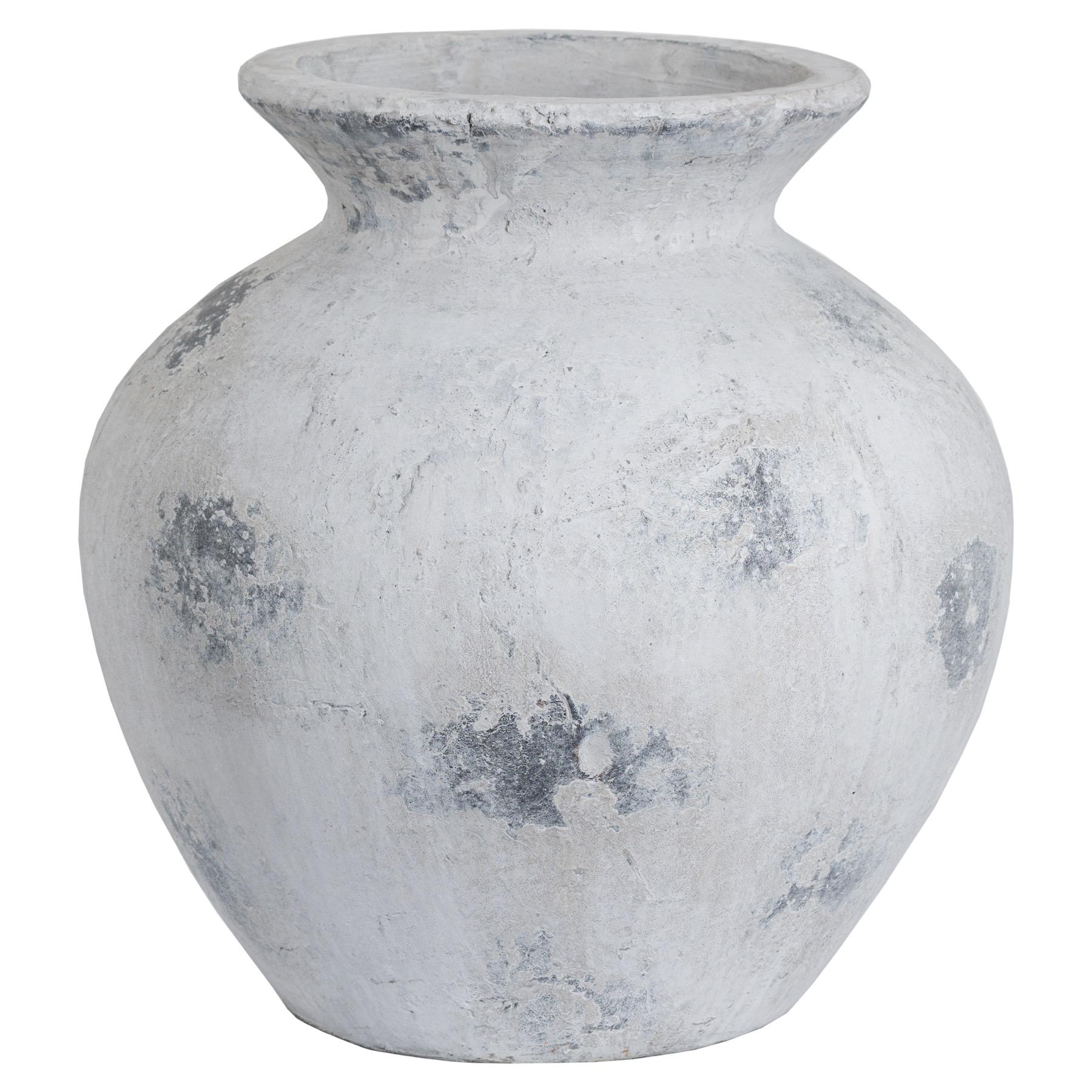
| Aged Stone Ceramic Vase | 30cm | As wide as it is tall | 50–65cm stems |
| Garda Grey Glazed Tiber Vase | 28cm | As wide as it is tall | 50–60cm stems |
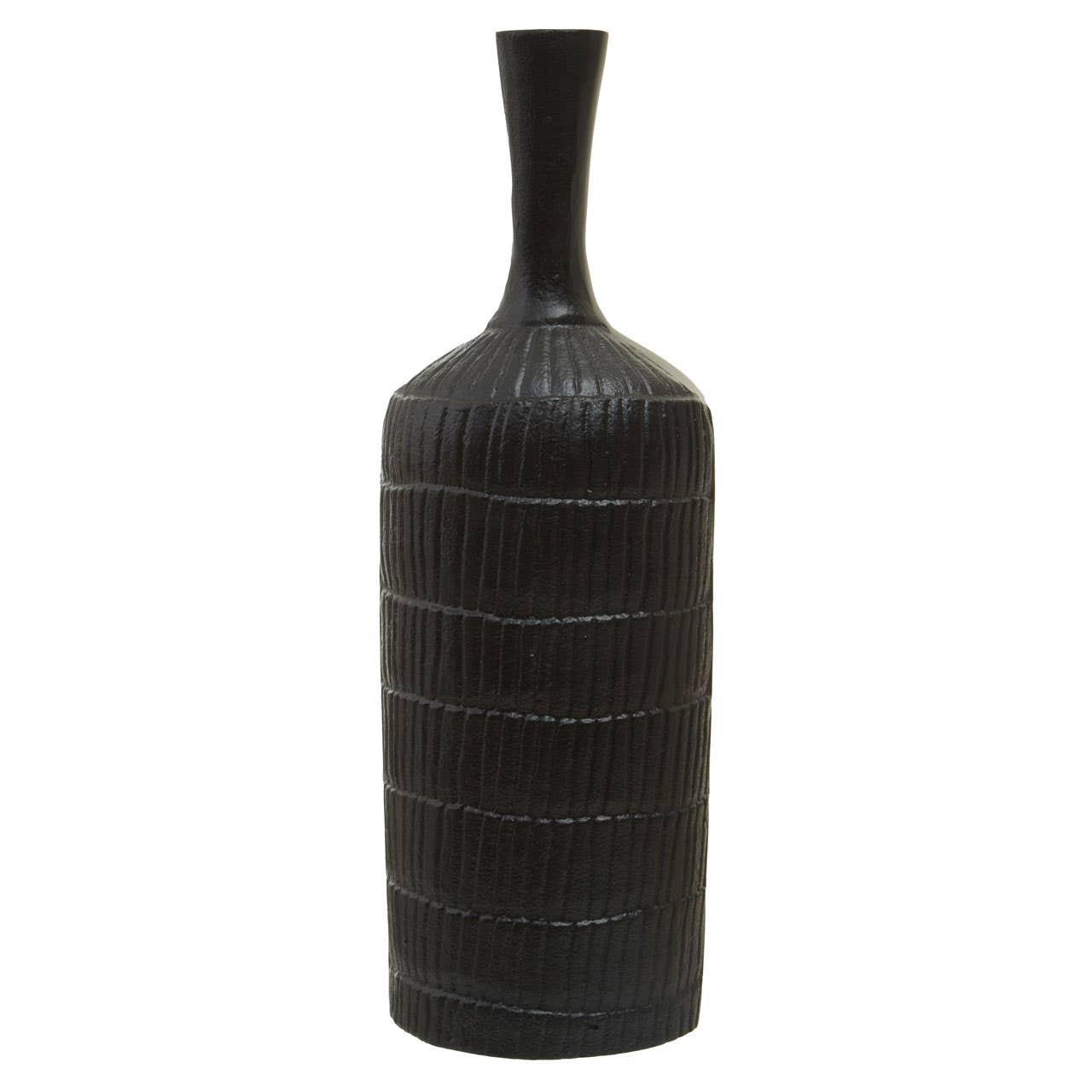
| Deomali Black Finish Large Bottle Vase | 37cm | Tall and slim | 65–80cm stems |
Proportion is measured at the widest point, which on a rounded vase is its belly rather than its mouth — so read that column as shape rather than as neck width. The stem count still follows rule two, and the calculator above will give it for whichever neck the vase you are looking at actually has.
The short version
Vase height, half to two-thirds of the finished arrangement. Narrow necks need five stems, wide mouths need twenty. A single stem wants a neck barely wider than itself. Test a new vase in the sink before it touches wood. And buy three of different heights rather than one big one.
Common questions
- How tall should a vase be for the flowers?
- About half to two-thirds the height of the finished arrangement. A 30cm vase suits flowers standing 45–60cm above the table, which is stems bought at roughly 50–70cm once you allow for the length below the waterline.
- How many stems do I need to fill a vase?
- It depends on the neck rather than the size. A narrow-necked 30cm vase looks full with seven to ten stems; a wide-mouthed one of the same height needs fifteen to twenty, because nothing is holding the stems upright but each other.
- What size vase is right for a dining table?
- Under 30cm, so people can see across it. On a long table, two or three low vessels spaced down the length work better than a single tall arrangement in the centre.
- Why do my flowers flop outwards?
- Almost always because the mouth of the vase is too wide for the number of stems in it. Either add stems until they support each other, or move the bunch to something with a narrower neck — a jam jar inside the vase will do it invisibly.
- Can I use a vase that is not watertight?
- Yes, with a glass jar or a florist's liner inside it. Fill any new vessel in the sink and leave it half an hour before trusting it on a wooden surface — unglazed ceramic seeps slowly and anything made from parts can weep at the join.