Both go against the long wall. Both are around 45cm deep and 80cm to 87cm high. The difference is what happens when you open them, and that decides which one you should be buying.
A sideboard has doors and shelves behind them, so it swallows things of awkward shapes — a printer, board games, a case of wine, the box the router came in. A chest of drawers sorts things into layers, which is better for anything you retrieve often and worse for anything tall.
Length is the real difference
Sideboards in the range are the long pieces: the Abberley Black Oak Sideboard at 160cm and the Huddington Black Sideboard at 150cm. Chests run shorter — 90cm for the Alton White, Abberley White, Easton and Hampton Ivory Shagreen, 110cm for the Charlton Ribbed Walnut and 120cm for the Broadway Oak.
So on a 3m wall, a 160cm sideboard leaves room either side for a lamp or a chair and reads as intentional. A 90cm chest on the same wall looks lost unless something else is on the wall with it. On a 2m wall the reverse is true.
If a television is going on top
Sit on the sofa and measure the height of your eyeline. You want the middle of the screen at or just below it, which for most people sitting is 100cm to 110cm from the floor. Then do the arithmetic, because this is where a sideboard usually loses.
A 55-inch television is about 122cm wide and 69cm tall, and a stand lifts it a few centimetres, so the middle of the screen sits roughly 38cm above whatever it stands on. On the 87cm Huddington Black Sideboard that puts the screen centre at about 125cm — well above a seated eyeline. On the 80cm Abberley Black Oak Sideboard, about 118cm. Both are too high for a screen that size, and looking up at a television for an evening is why.
Two honest conclusions follow. If the television is large, it wants something lower than a sideboard — around 60cm to 70cm, which is what a dedicated media console like the 55cm Hampton Ivory Shagreen TV Unit is for. If the television is small, a 32-inch screen is 40cm tall and its centre lands around 105cm on an 80cm sideboard, which is right. And in either case check the length: 122cm of television overhangs a 90cm chest, and sits properly on the 120cm Broadway Oak or on either sideboard.
Depth, and the door you have to open
Almost everything here is 45cm deep, which is the depth that takes a dinner plate flat and a stack of magazines without them tipping. The Grafton Black and Broadway Oak are 50cm, worth knowing if the piece is going in a narrow room.
The catch with a sideboard is the swing of the doors: allow the door's width again in front of it. A 160cm sideboard with three doors has narrower doors and less swing than a two-door piece of the same length, which is why door count matters more than it looks in the photograph.
How many drawers, and how deep
Two deep drawers or three shallower ones is a question about what you are storing. The Easton is a two-drawer chest at 85cm high, so each drawer is deep — good for bedding, blankets and anything bulky. The Alton White, Abberley White, Grafton Black, Broadway Oak and Hampton Ivory Shagreen are three-drawer pieces, which suit sorted, frequently used things.
The Charlton Ribbed Walnut Chest of Drawers takes it furthest with six drawers across 110cm, which is the piece to choose when the problem is small things in too many places rather than a few large ones.
The pieces in this guide
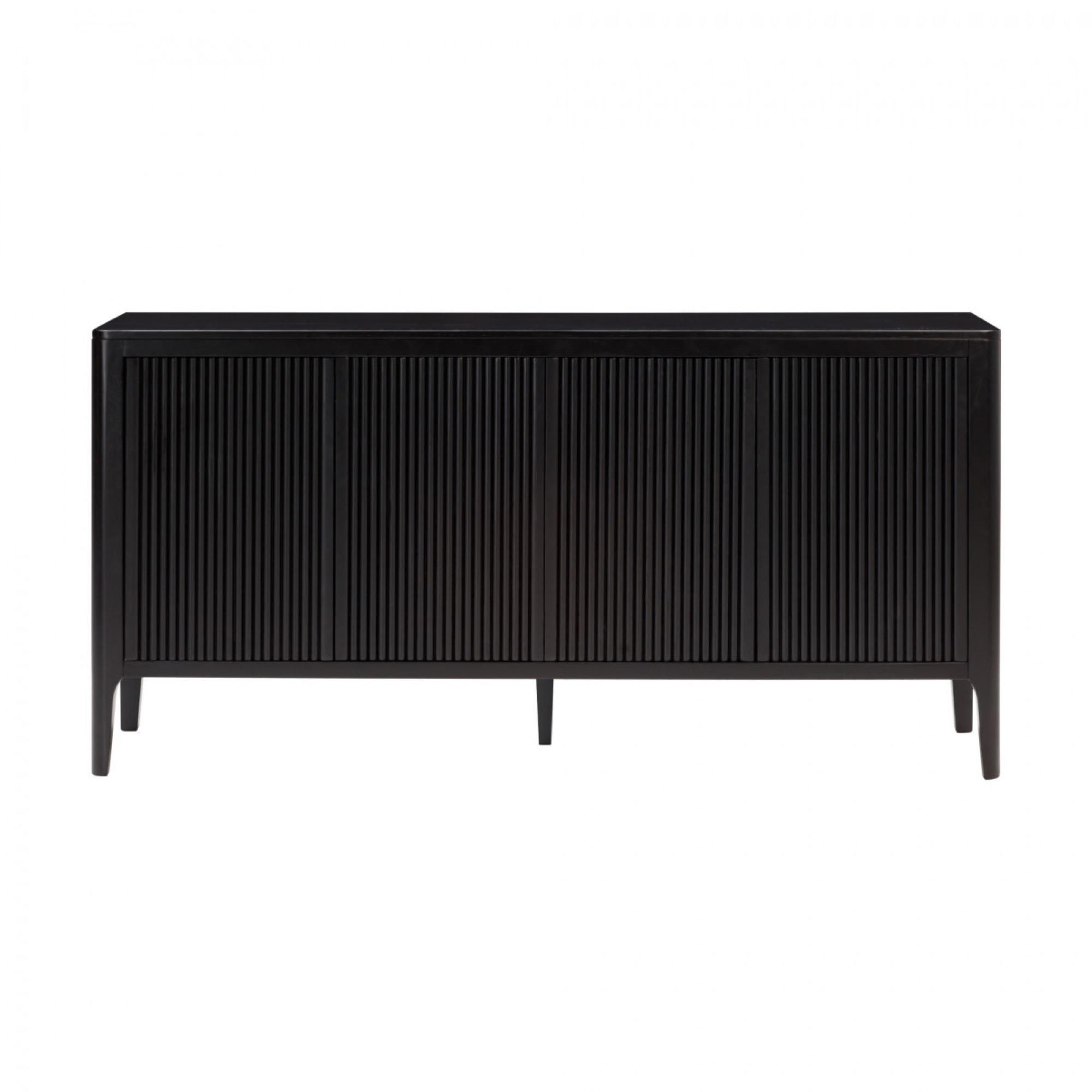
Abberley Black Oak Sideboard
£1,163
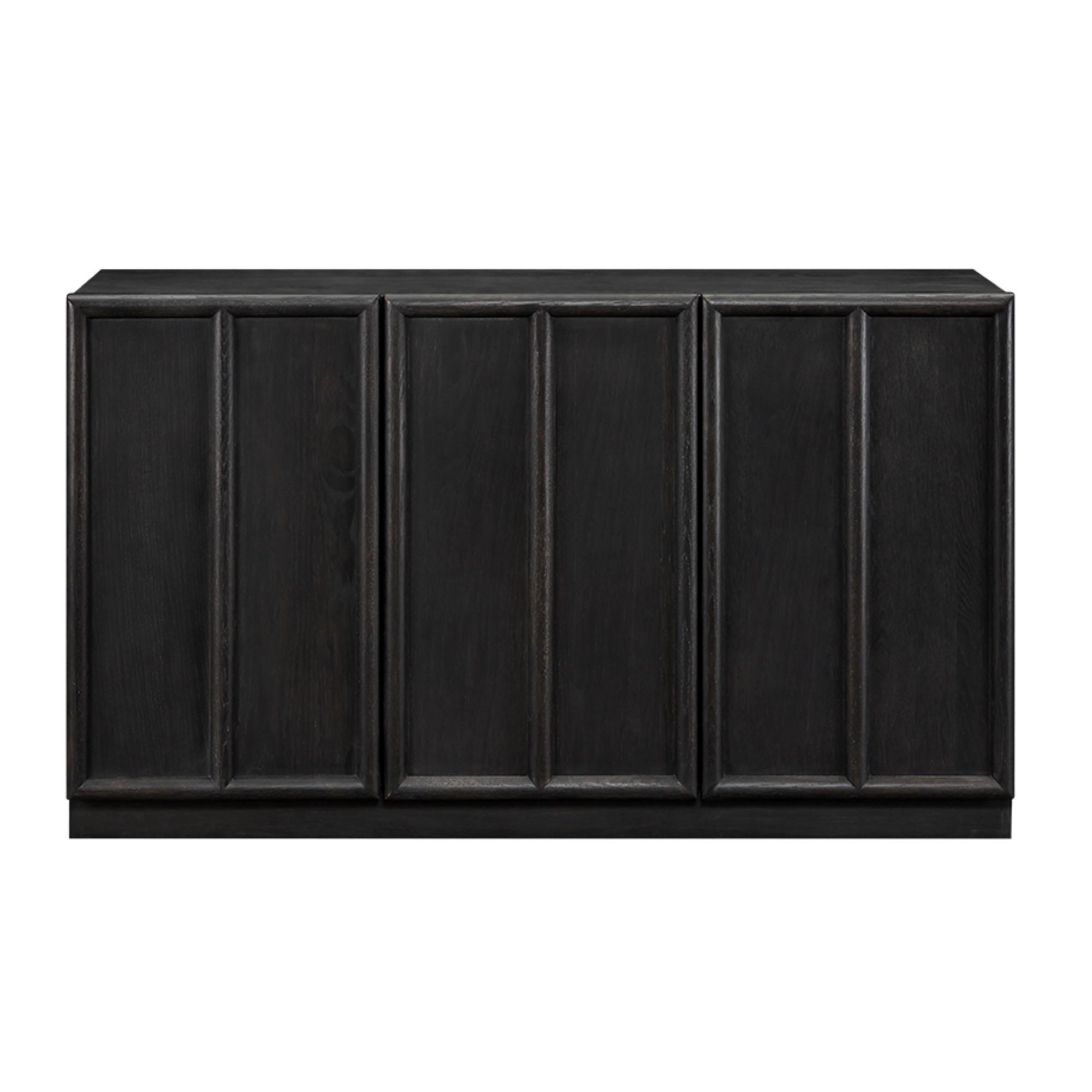
Huddington Black Sideboard
£1,050
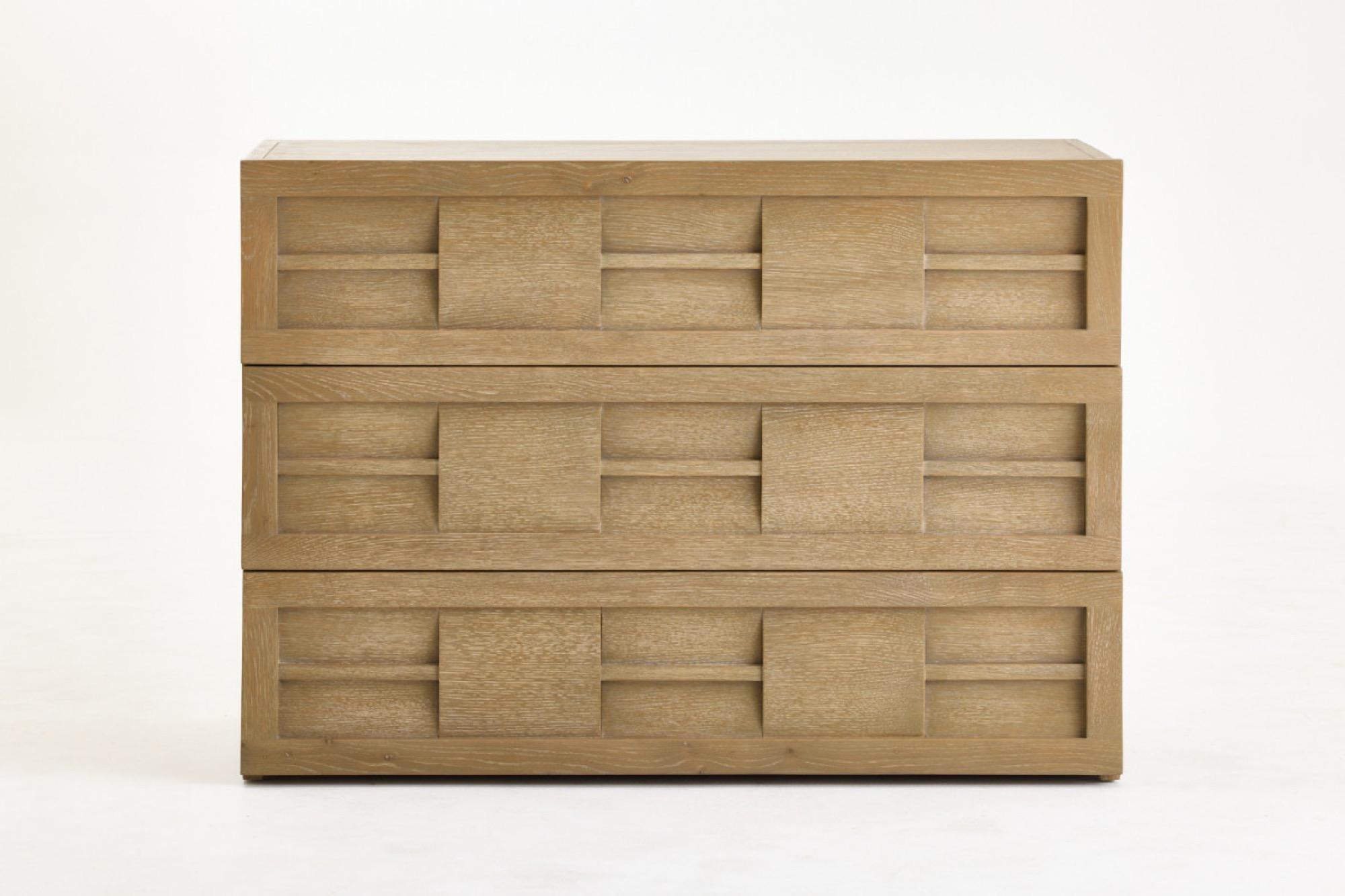
Broadway Oak Chest of Drawers
£1,150
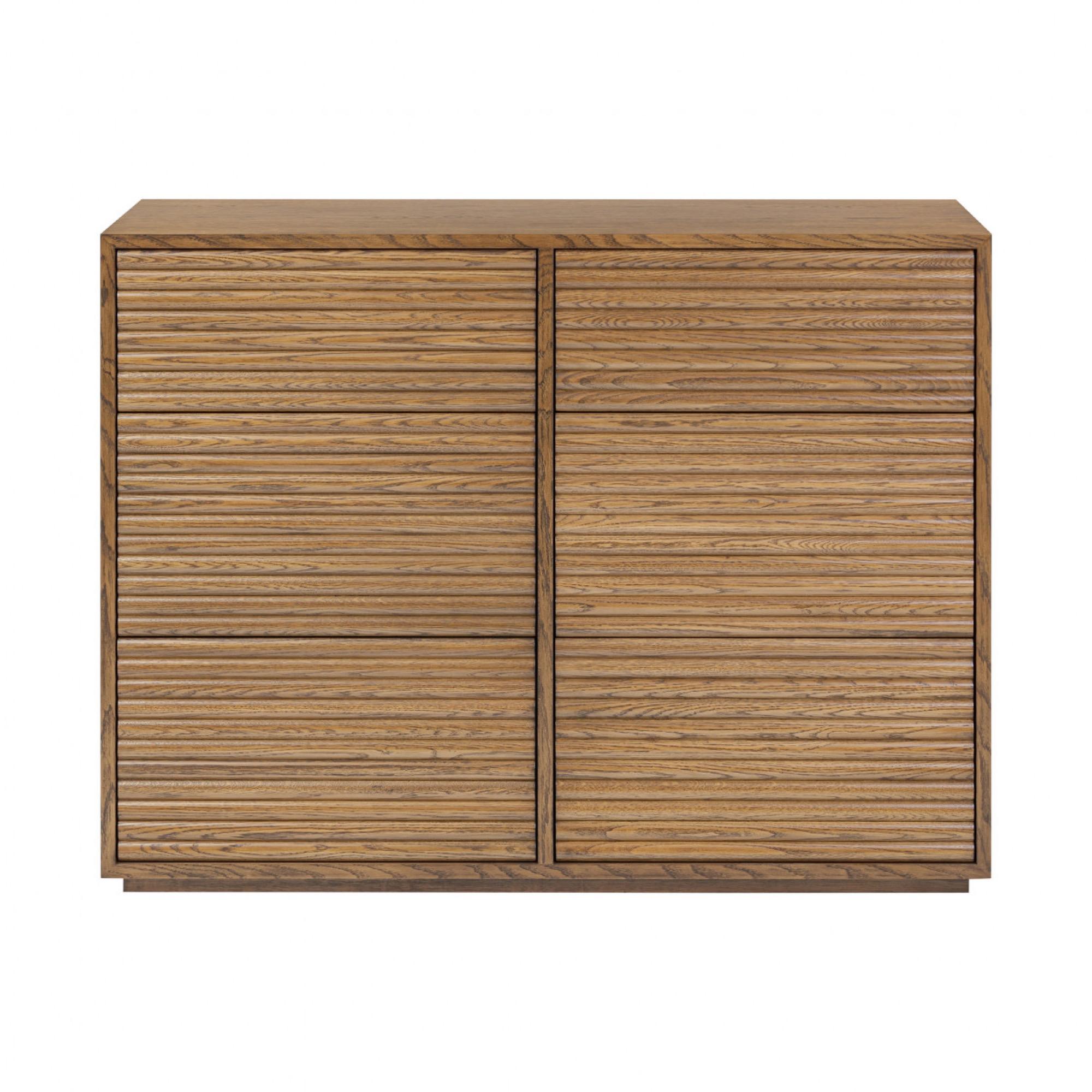
Charlton Ribbed Walnut Chest of Drawers
£1,100
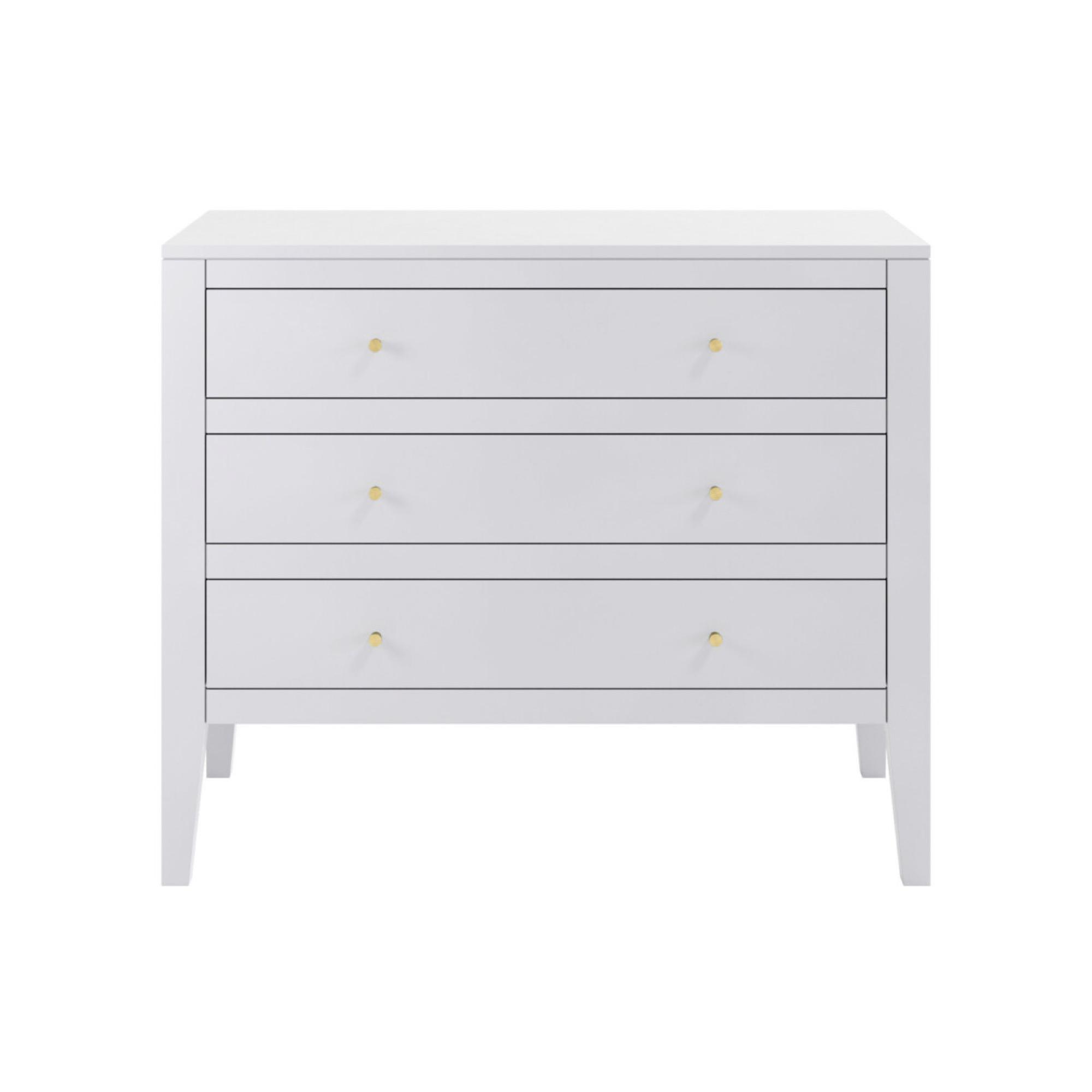
Alton White Chest of Drawers
£589
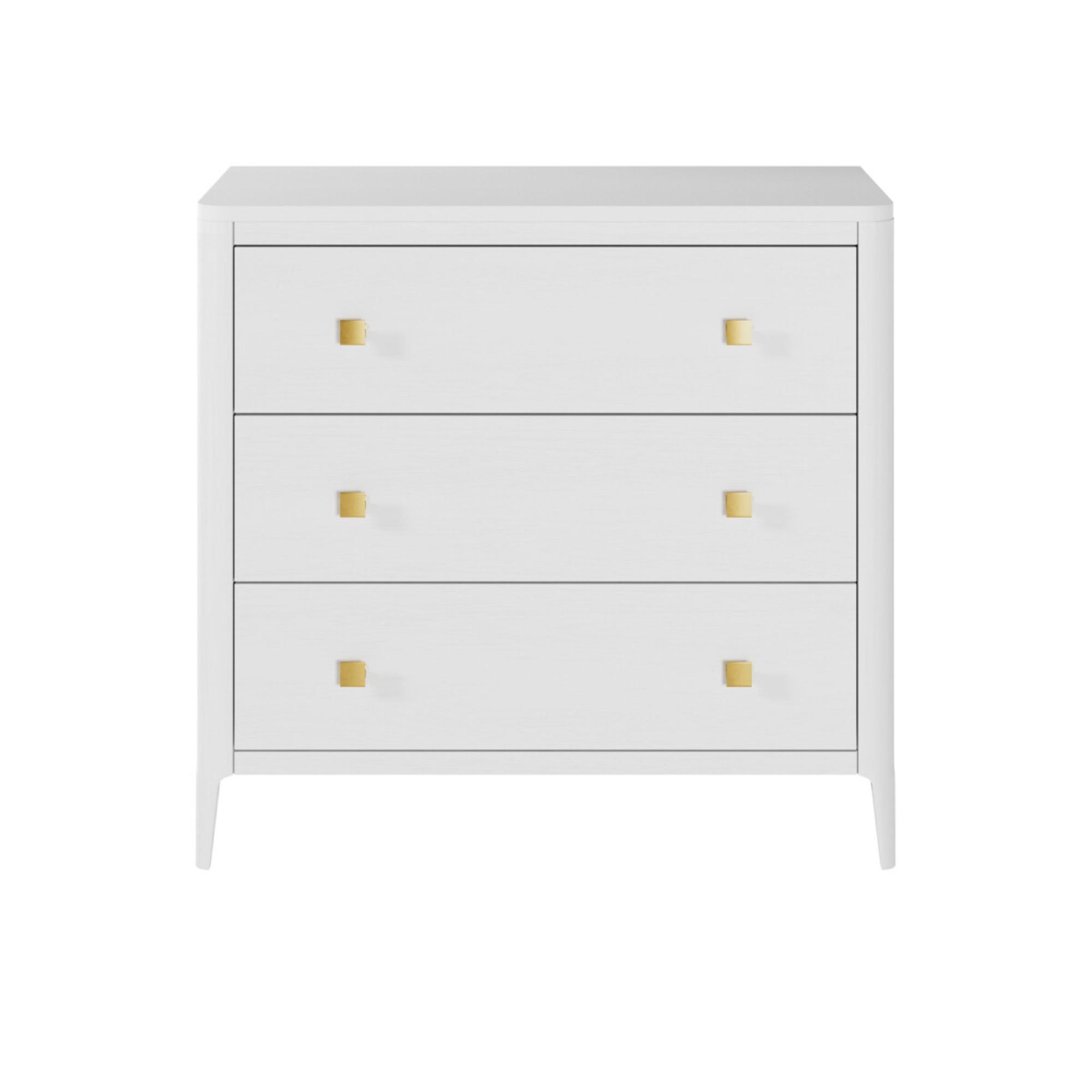
Abberley White Chest of Drawers
£773
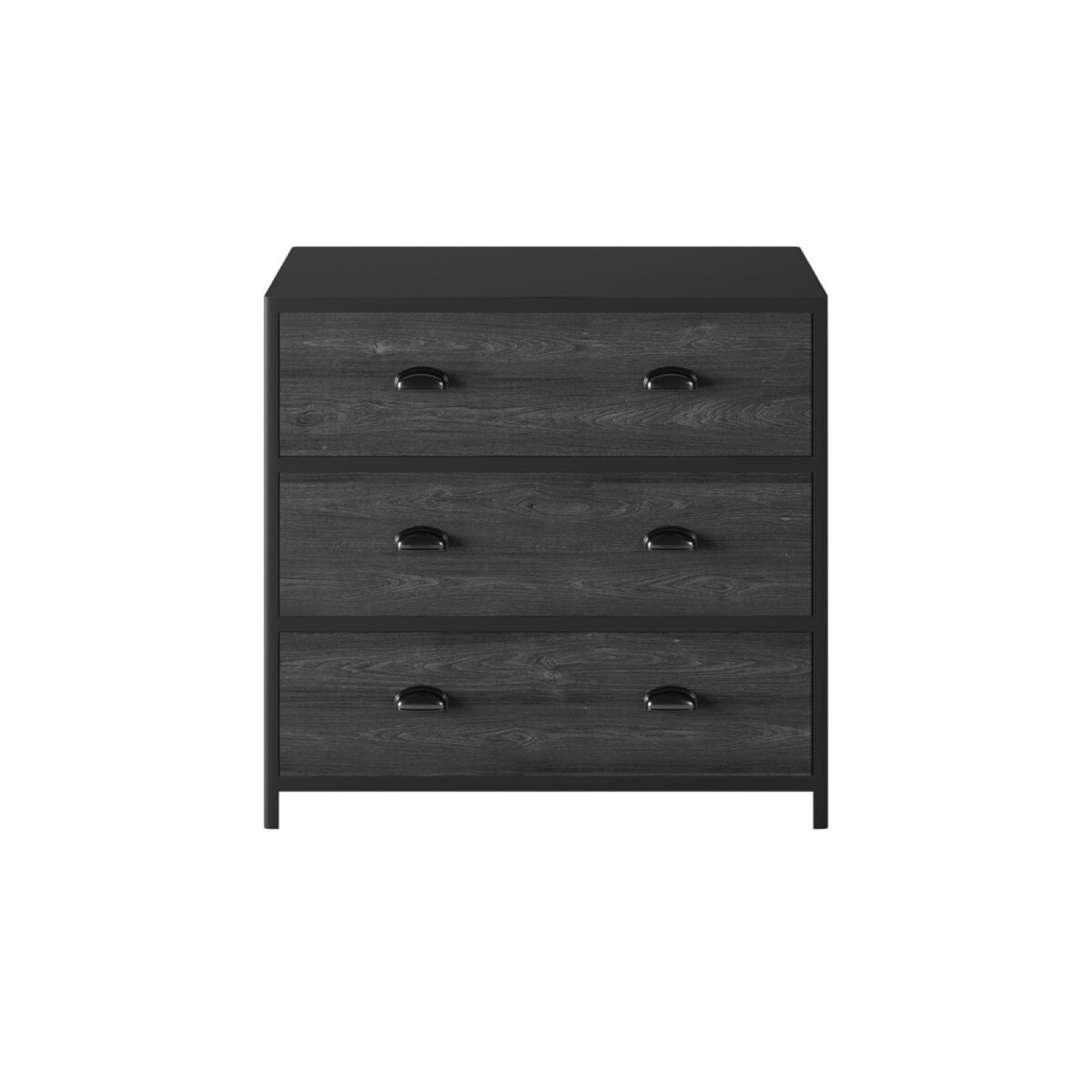
Grafton Black Chest of Drawers
£670
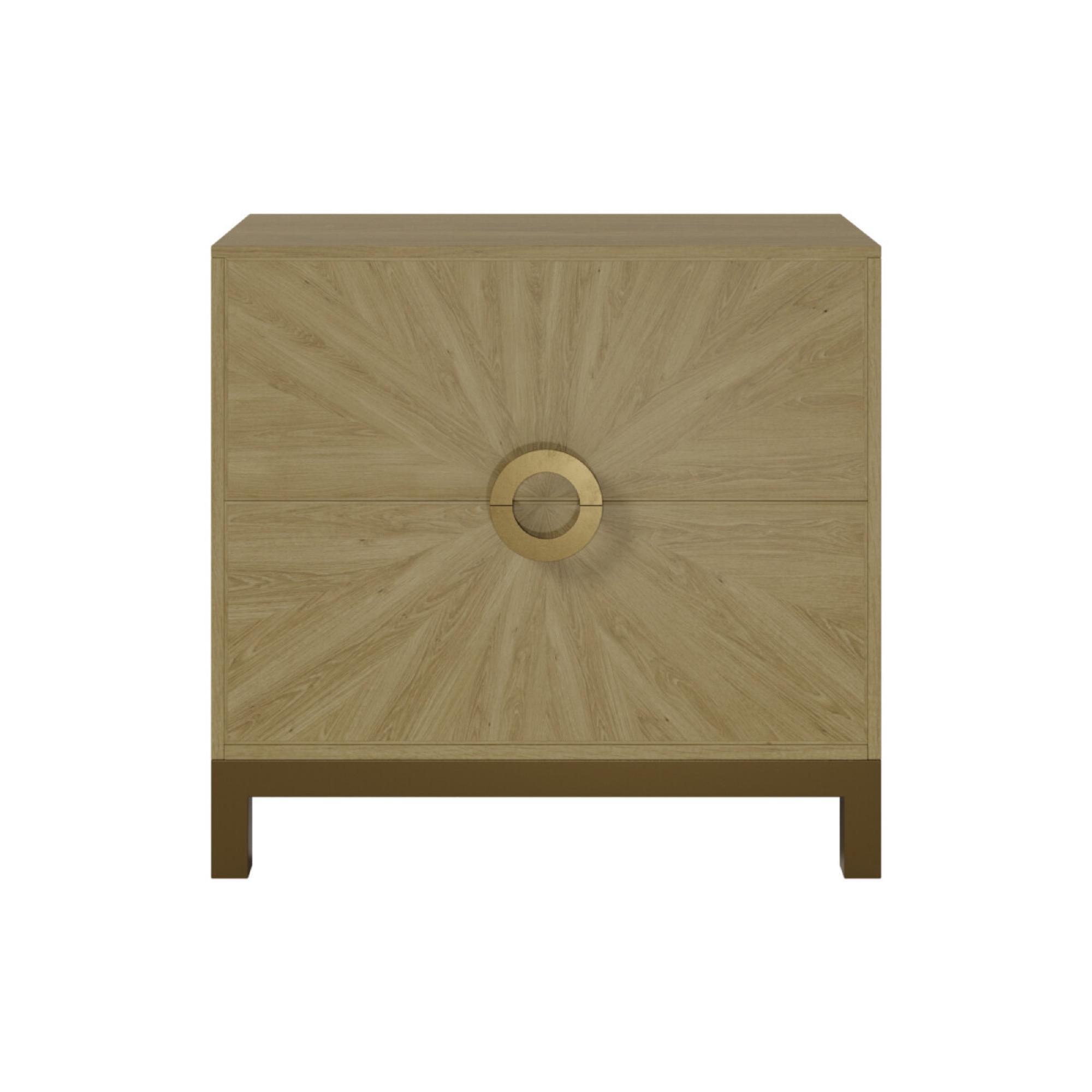
Easton 2 Drawer Chest of Drawers
£890
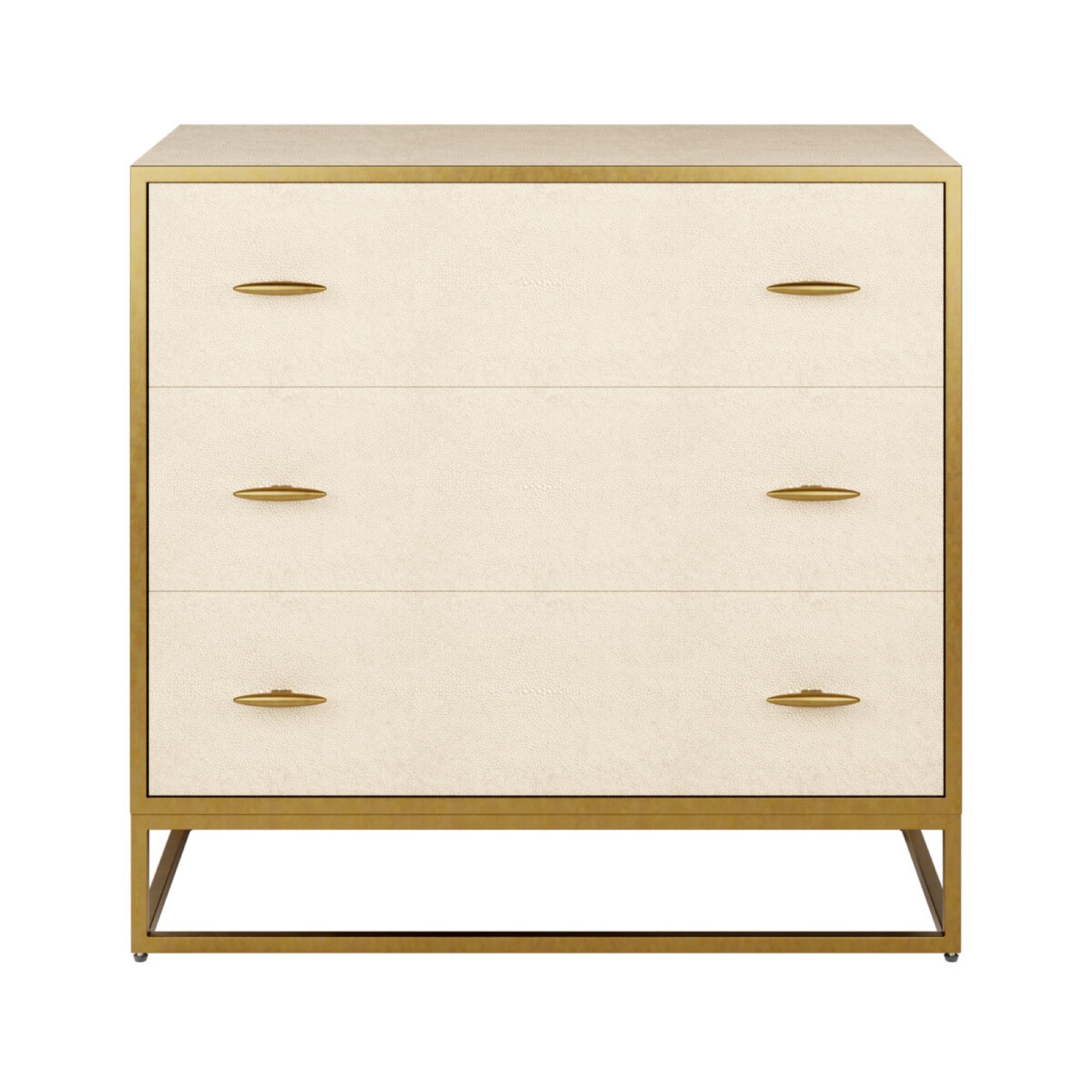
Hampton Ivory Shagreen Chest of Drawers
£1,190
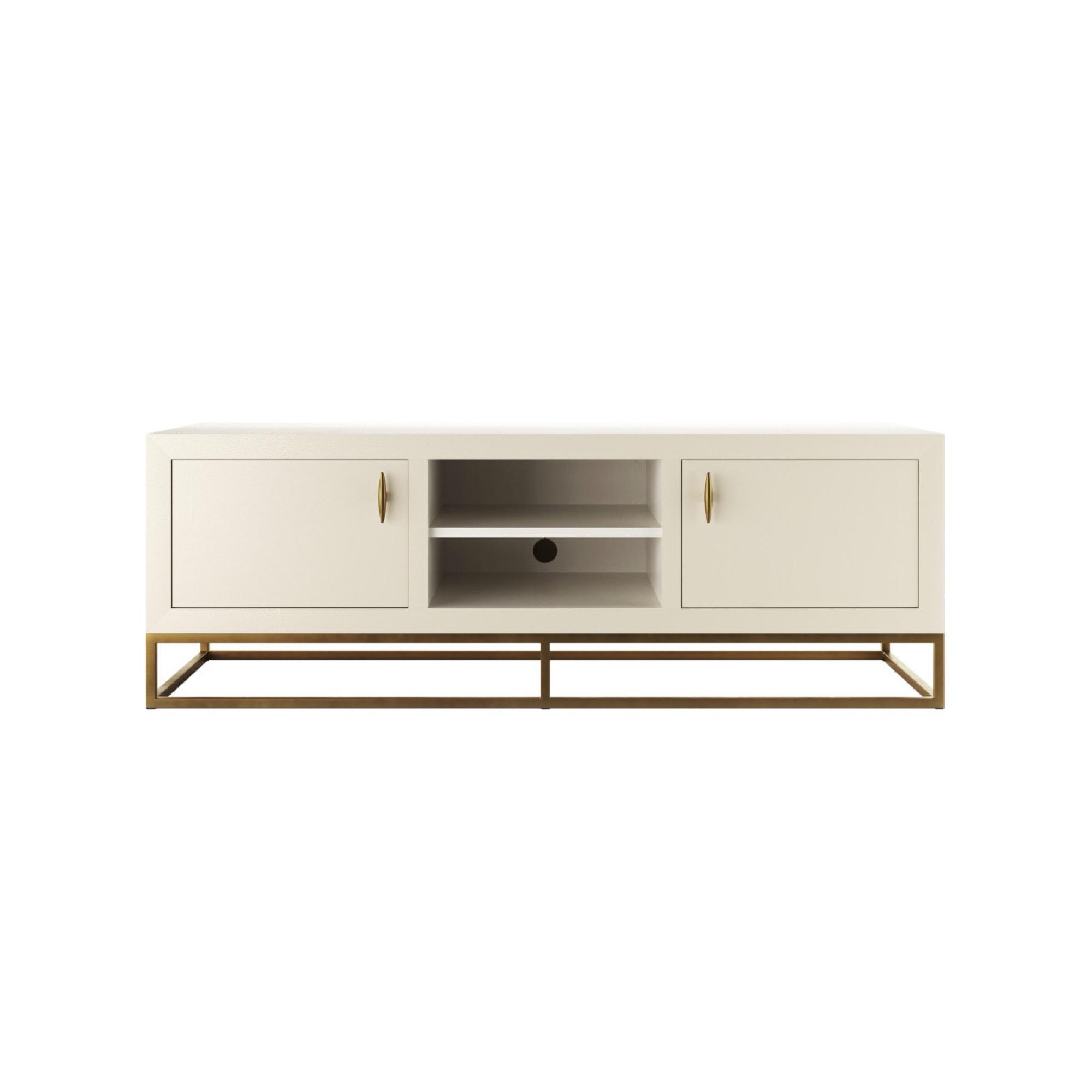
Hampton Ivory Shagreen TV Unit
£1,095