Pick a fixed time, not a spare moment — a sauna that's scheduled gets used; a sauna that's optional becomes storage. Twenty minutes, twice a week, is a realistic starting point.
That sounds like advice about discipline. It is really advice about heat-up time, which is the thing that quietly kills home sauna habits and which nobody mentions before you buy one.
Heat-up time is the real obstacle
A traditional sauna takes somewhere between forty minutes and an hour and a half to come up to temperature, depending on the heater, the cabin volume and how cold it started. Infrared is quicker — usually fifteen to twenty minutes — because it warms you rather than the room.
The consequence is that a traditional sauna is never a spontaneous decision. If you have to decide an hour in advance, and the decision point is a cold Tuesday evening when you are tired, you will not use it. The people who use their sauna are the ones who turned the heater on before dinner because it is Tuesday, not because they felt like it.
So the ritual is not really the session. It is the fifteen seconds an hour beforehand when you switch it on without thinking about whether you want to.
What a session actually looks like
Two or three rounds of eight to fifteen minutes, with a proper cool-down between each, is the pattern most people settle on. One long session is not better, and it is markedly less pleasant.
The cool-down between rounds is not an interval, it is half the point. Cold water, cold air, or simply sitting outside — the contrast is what most people are actually there for, and skipping it is why a first sauna often feels like nothing more than being uncomfortably hot.
Leave the phone outside. Not for purity — the humidity and the heat are genuinely bad for it, and a sauna is one of the few rooms where that gives you a non-negotiable reason.
Where the habit usually breaks
Three things, in order of how often they are the culprit.
The towel situation. If clean towels are not already by the door, the session does not happen. Keep a dedicated stack there, not in the airing cupboard with everything else.
The walk. If the cabin is at the end of a dark, unlit garden, it will be used in July and abandoned in October. This is a lighting problem masquerading as a motivation problem, and it is worth solving before the clocks change rather than after.
The alone-ness. A sauna used by two people gets used roughly twice as reliably as one used by one, because someone else is expecting it. If there is anyone in the house who might join, fix the time around them.
Give it eight weeks
Two sessions a week for eight weeks is sixteen sessions, which is roughly where most people stop deciding and start defaulting. Before that it is an activity you are trying to keep up. After it, it is Tuesday.
If you are still choosing each time after two months, the problem is almost always the schedule rather than the sauna — the time you picked is not actually free. Move it once, deliberately, rather than letting it quietly lapse.
The pieces in this guide
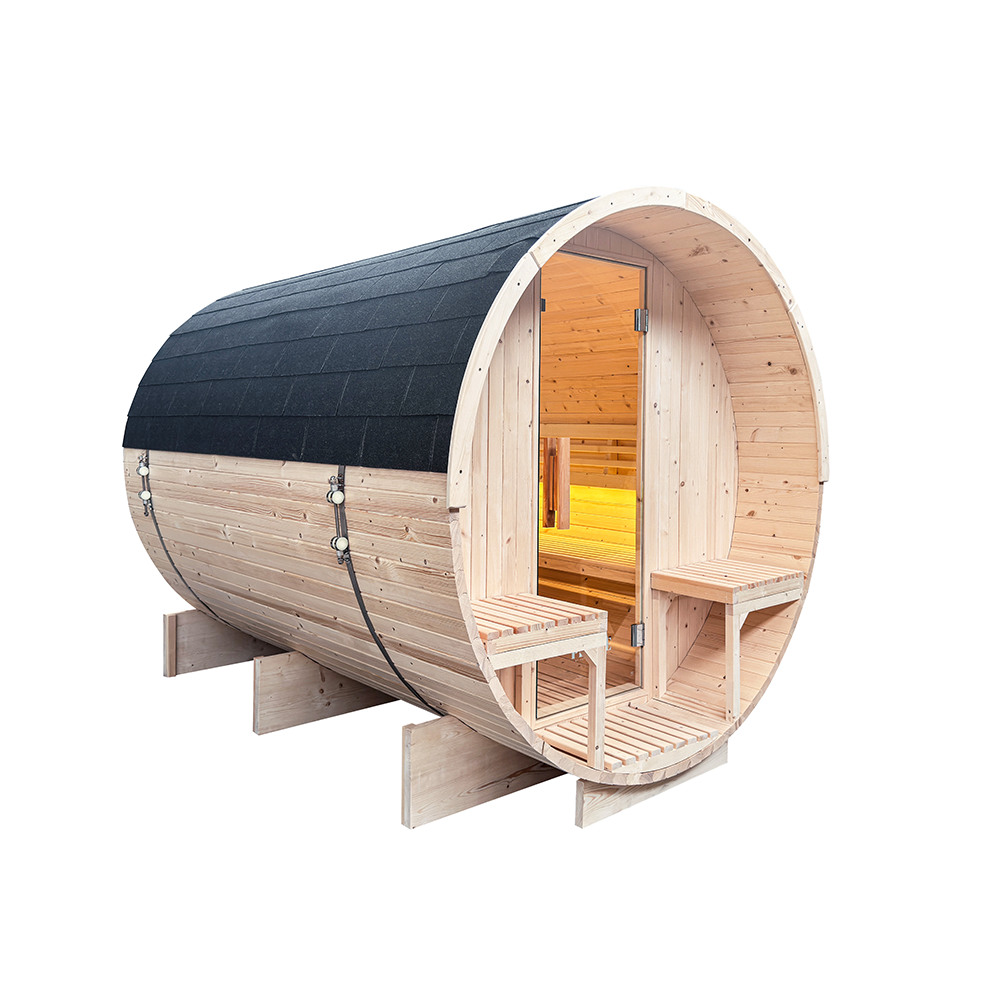
SaunaPlunge™ Pennine Barrel 6-Person Outdoor Sauna
£6,500
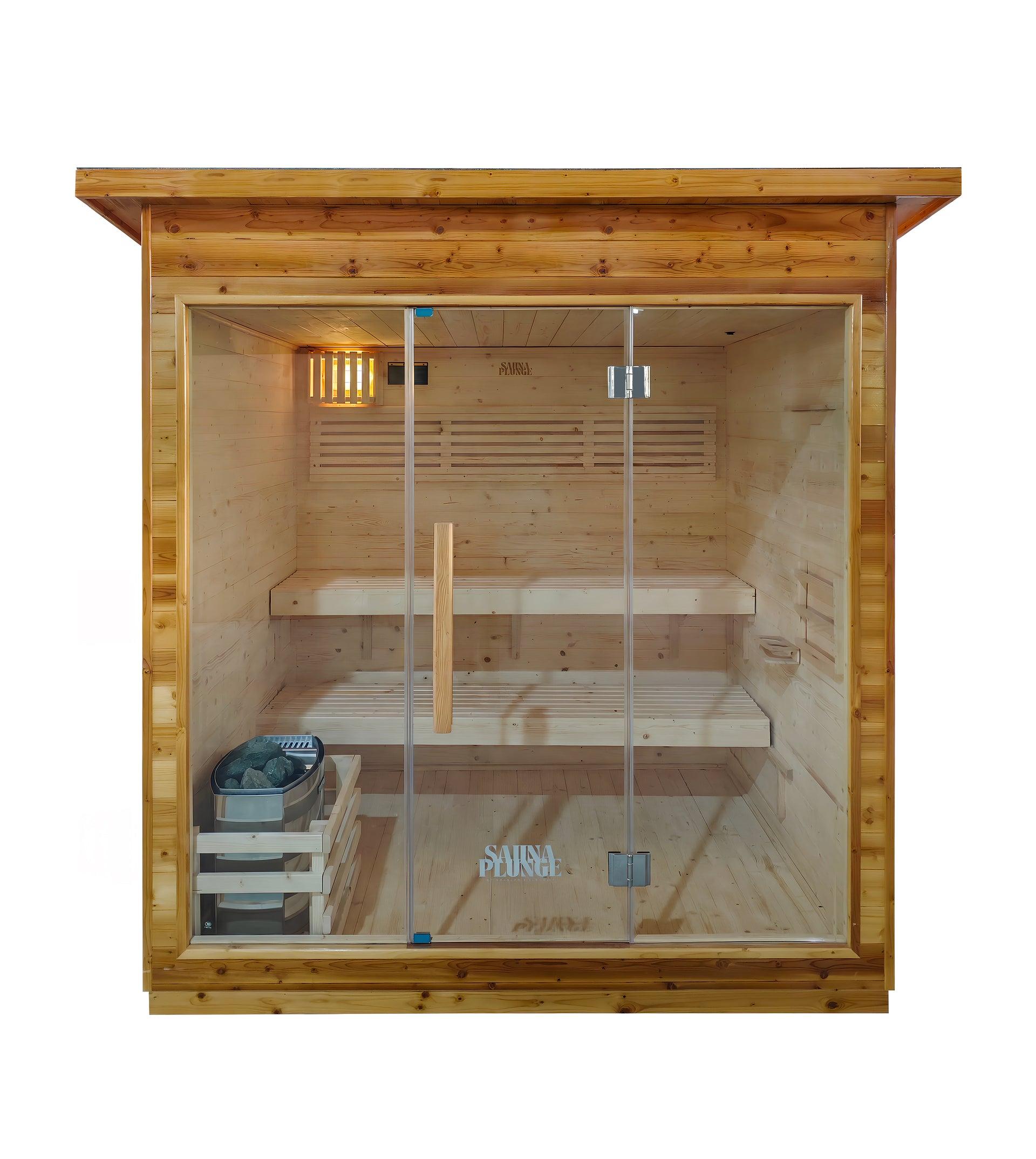
SaunaPlunge™ Bronte 6-Person Outdoor Cabin Sauna
£5,400
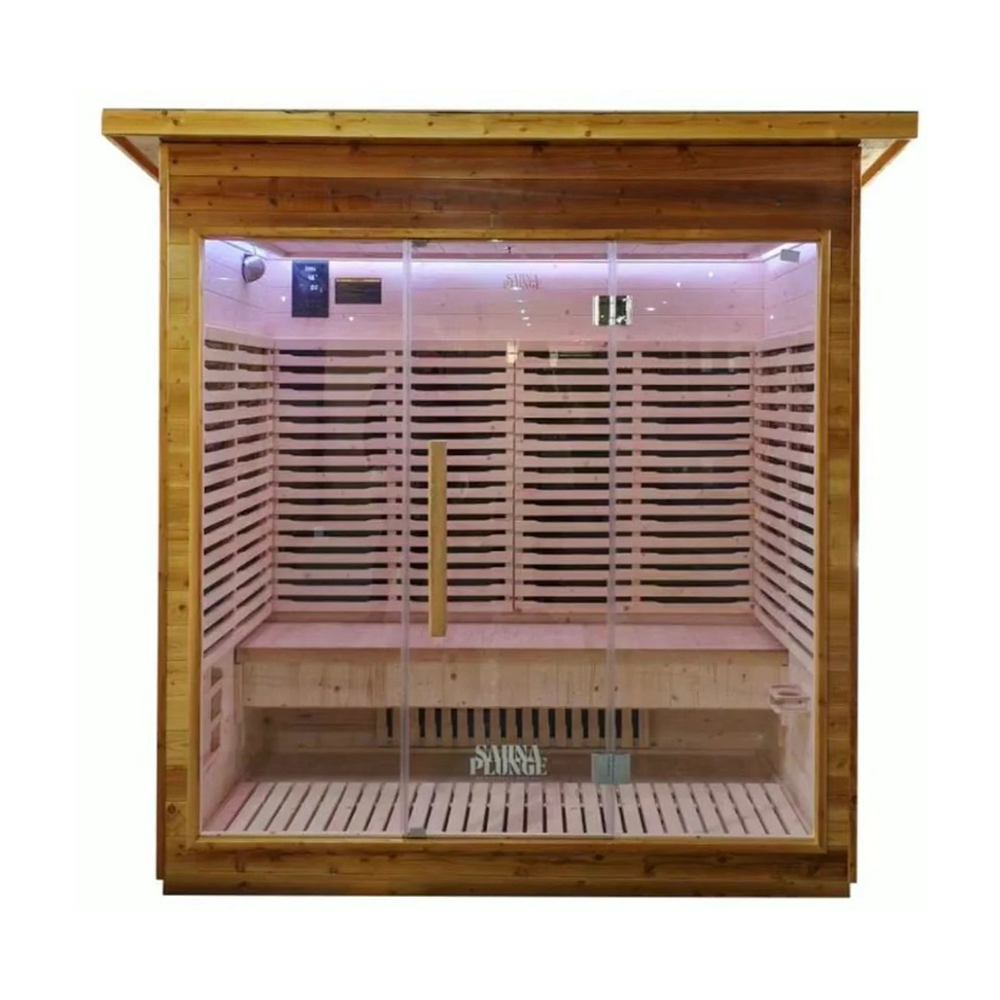
SaunaPlunge™ Yorkshire Cabin 4-Person Outdoor Infrared Sauna
£4,388
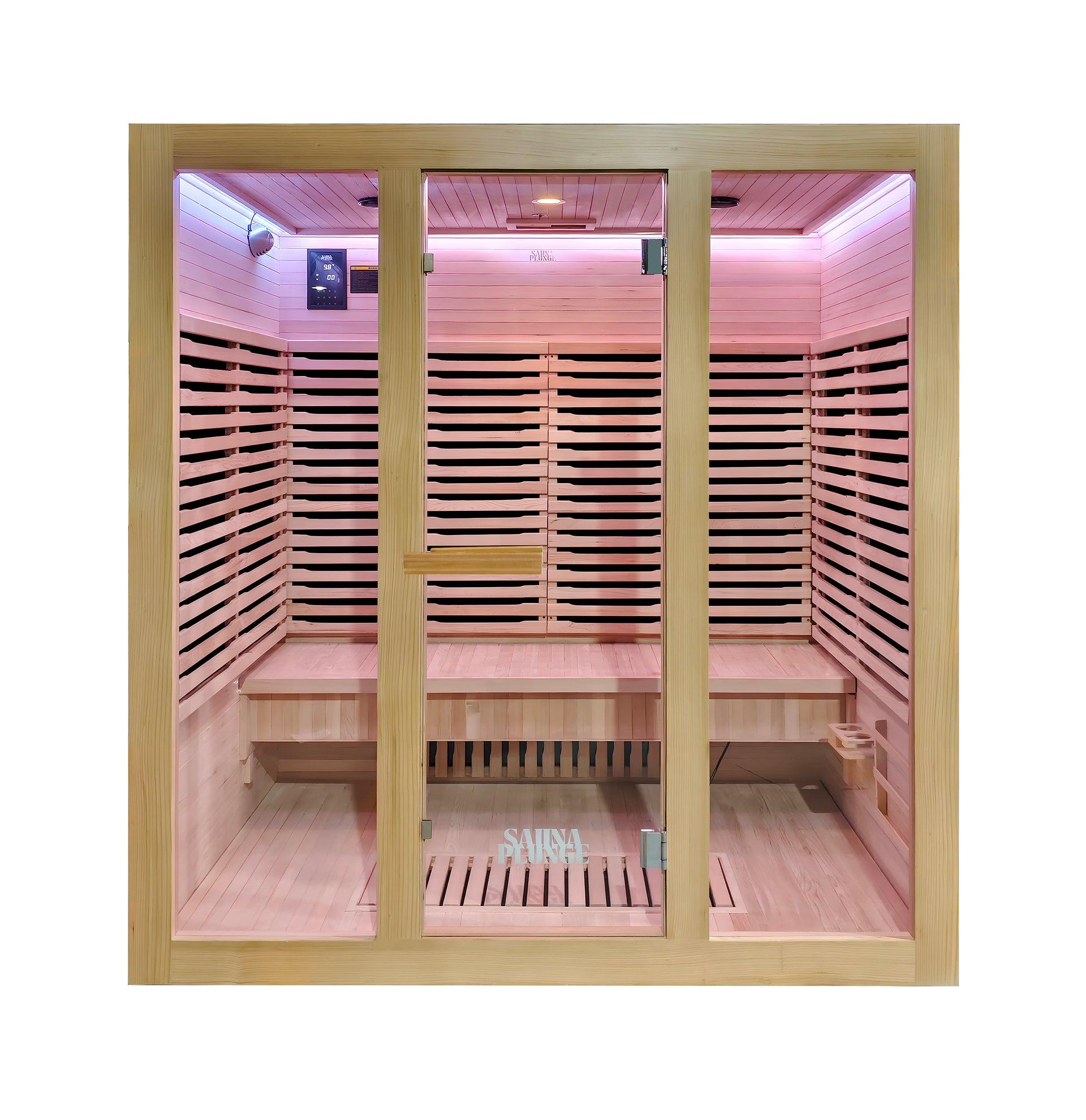
SaunaPlunge™ Dales Glow 4-Person Indoor Infrared Sauna
£3,938
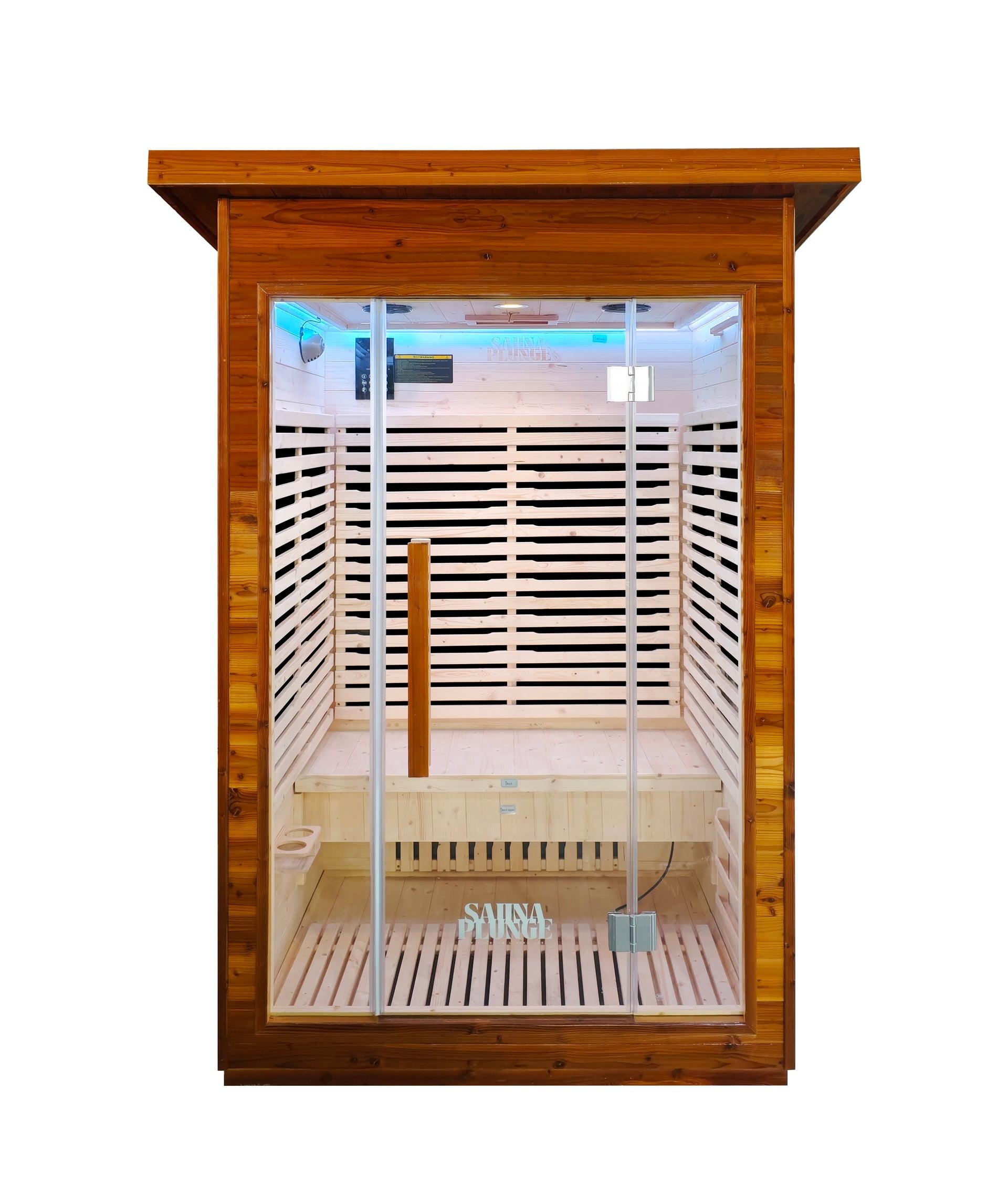
SaunaPlunge™ Yorkshire Cabin 2-Person Outdoor Infrared Sauna
£3,263
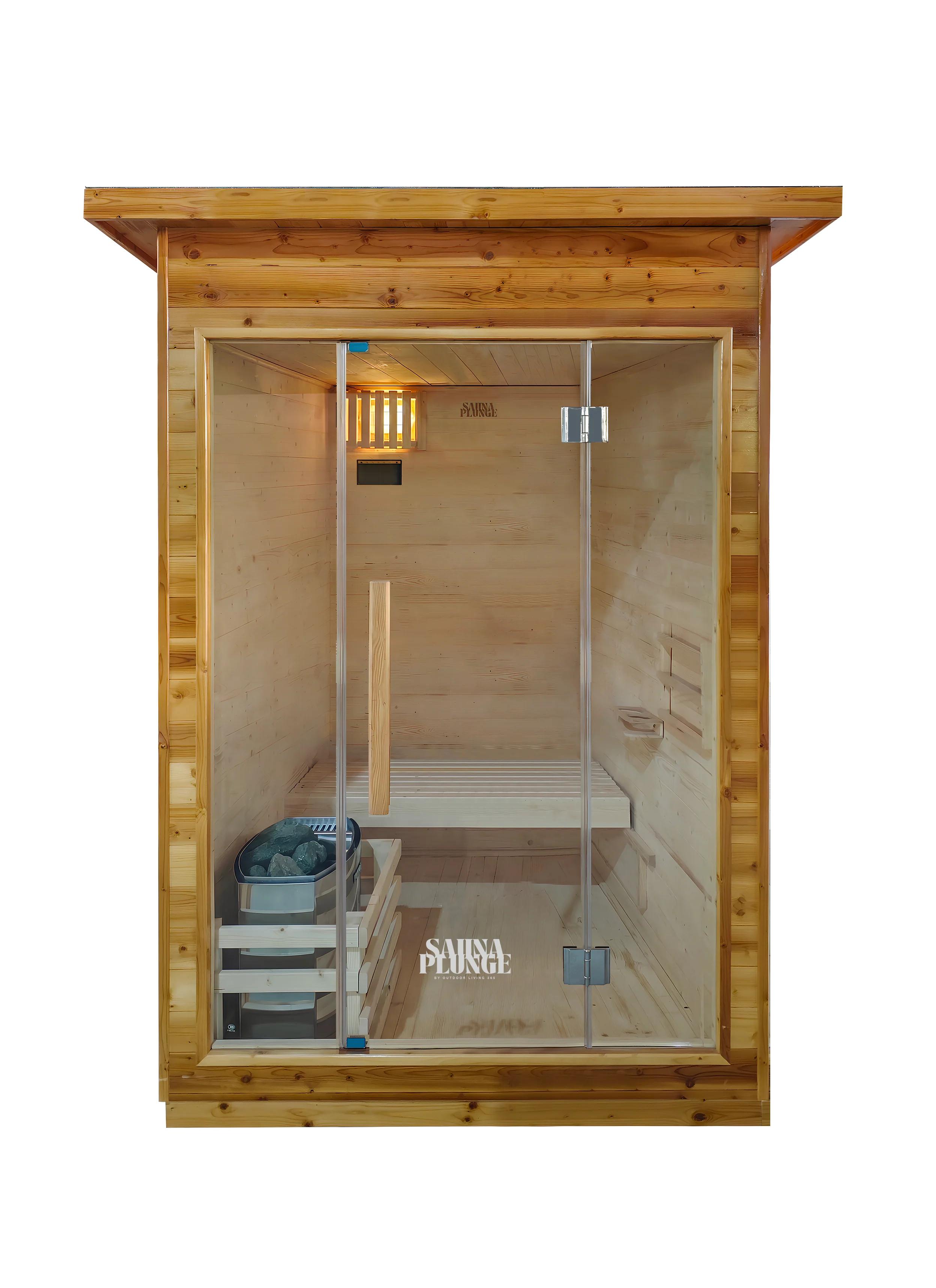
SaunaPlunge™ Bronte 2-Person Outdoor Cabin Sauna
£3,263