Bathroom or bedroom mirror: why they are not the same purchase, and what size each needs
A bedroom mirror has one job that decides its size: showing a whole outfit, shoes included. That takes about 140cm of glass hung with its top near eye level, and nothing shorter does it however handsome the frame.
A bathroom mirror has a different job and a harder environment. It has to light a face from the front rather than from above, and it has to survive being steamed twice a day for years. Those two requirements are why a bathroom mirror costs more than a bedroom one of the same size, and why moving one into the other room usually disappoints.
Here to buy rather than to read? Start here.
| Room | Height of glass | Hung at | The thing that matters |
|---|---|---|---|
| Bedroom, full length | 140cm+ | Floor or leaning | Seeing shoes |
| Bedroom, over a chest | 60–90cm | Top at 165cm | Light, not outfit |
| Dressing table | 40–60cm | Sitting eye level | Close work |
| Bathroom, over a basin | 60–90cm | Centre at 160cm | Steam and front light |
| Hallway | 80–120cm | Top at 180cm | Bouncing daylight |
The bedroom: height first, everything else second
Hang a mirror so its top sits at about 175cm and its bottom reaches past your knees, and you have a mirror that works. The black wood arched window mirror at 135 x 90cm is the size this actually means, and it works leaning against a wall as readily as hung — which is worth knowing, because a mirror that heavy on plasterboard needs proper fixings and a mirror leaning needs none.
The narrow hanging mirrors are a different proposition. At 13 x 146cm and 14 x 145cm they are tall enough to be useful and narrow enough to fit a wall that has nothing else spare — beside a door, between two windows. They will not show a whole outfit at once, and they are not meant to.
Over a chest of drawers, size to the furniture
A mirror above a piece of furniture should be roughly two thirds to three quarters of its width, and no wider. Wider reads as a mistake; much narrower reads as an afterthought. The Nahla in three sizes — 64cm, 78cm and 86cm — exists for exactly that, because chests come in roughly 90cm, 100cm and 120cm.
Leave 15 to 20cm between the top of the furniture and the bottom of the mirror. Less and the two read as one lump; more and the mirror floats. That gap is the single detail that separates a hung mirror from a well-hung one.
The bathroom: steam is what kills mirrors
Mirror backing is a silver layer with a protective coat over it, and moisture that reaches the edge lifts that coat. The black speckling that creeps in from the corners of an old bathroom mirror is that failure, and it is not repairable.
Two things prevent it. Sealed edges, which is what a bathroom-rated mirror has and a bedroom one usually does not. And extraction — a bathroom that clears its steam in ten minutes will not kill a mirror, and one that stays damp for an hour will kill any mirror you hang in it. Buying a better mirror for a badly ventilated bathroom is solving the wrong problem.
Light from the front, not from above
A ceiling light above a bathroom mirror puts your eyes, nose and chin in shadow, which is why shaving and make-up both go wrong under one. Light needs to come from the front or from either side at about face height.
An illuminated mirror solves it in one object. The Avelino round at 70cm and the 60 x 90cm oval both light from the glass itself, which is the correct direction by definition. They need a fused spur rather than a socket, so it is an electrician's job unless one is already there.
Where the lighting is already right, an unlit mirror is the better-looking choice. The Hampton square at 80 x 80cm and the octagonal version are the pieces for a bathroom that is a room rather than a cubicle.
Height above a basin, and the mistake everybody makes
Centre the glass at about 160cm from the floor, not centred on the basin. Basins sit at 80 to 85cm and a mirror centred on one ends up too low for a tall adult and fine for nobody. 160cm puts the centre near adult eye level, which is what a mirror is for.
Width should stop short of the basin's edges rather than matching them — roughly the width of the basin or slightly less. A mirror wider than the unit below it draws attention to the gap at the sides, and in a small bathroom that is the difference between the room reading as considered and reading as crowded.
The dressing table is its own case
Sitting down changes everything. A dressing-table mirror is used at 110 to 120cm from the floor rather than 160, and it is used at arm's length for close work rather than at two metres for a whole view. The Gala vanity mirror with drawers at 50cm tall is built for that distance, and a wall mirror pressed into the job is always slightly too far away.
Hanging a heavy mirror without taking the wall with it
Mirror glass is dense. A 135 x 90cm framed mirror is well over 15kg, and that is a load plasterboard alone will not hold — the usual failure is not the fixing pulling out of the wall but a plug of plasterboard coming away with it, six months later, on a wall that seemed fine.
Into masonry, use proper wall plugs and screws rated well above the weight. Into stud, find the timber and screw into that. Into plasterboard with no stud where you need one, use heavy-duty toggle or spring fixings rated for the load — not the small brown plugs that come in the box. Two fixings spread across the frame beat one in the middle, because a single point lets the mirror swing and work itself loose.
What a mirror does to a room, beyond the reflection
A mirror opposite a window doubles the daylight in a room, which is the oldest trick in the book and still the most effective thing you can do to a dark bedroom for under two hundred pounds. A mirror opposite a door shows whoever enters themselves, which some people find welcoming and others find unsettling.
Position for what it reflects, not only for where the wall is empty. A mirror facing a blank wall reflects a blank wall and makes the room feel larger by nothing at all. Stand where you will usually be, look at the wall you are considering, and work out what you would be looking at.
The short version
Bedroom, full length: 140cm of glass, top around 175cm, or lean it. Over furniture: two thirds of the width, with a 15 to 20cm gap. Bathroom: buy one made for a bathroom, because sealed edges are the difference between five years and fifteen, and fix the extraction if the room stays damp. Light from the front at face height, never from the ceiling. Centre a bathroom mirror at 160cm from the floor, not on the basin.
Common questions
- What size mirror do I need to see a full outfit?
- About 140cm of glass, hung with the top near 175cm so the bottom reaches past your knees. Anything shorter shows you from roughly the waist up, which is enough to check a collar and not enough to check an outfit. A narrow mirror works if it is tall — the height is what matters, not the width.
- How high should a bathroom mirror be above the basin?
- Centre the glass at about 160cm from the floor rather than centring it on the basin. Basins sit at 80 to 85cm, so a mirror centred on one lands too low for most adults. 160cm puts the middle of the glass near adult eye level, which is the height a mirror is actually used at.
- Can I use an ordinary mirror in a bathroom?
- You can, and it will fail sooner. Mirror backing is a silver layer under a protective coat, and moisture reaching the edge lifts that coat — the black speckling that creeps in from the corners of an old bathroom mirror. A bathroom-rated mirror has sealed edges. Extraction matters as much: a bathroom that stays damp for an hour will kill any mirror in it.
- What size mirror goes above a chest of drawers?
- Roughly two thirds to three quarters of the furniture's width, and never wider. Leave 15 to 20cm between the top of the chest and the bottom of the mirror — less and the two read as a single lump, more and the mirror looks like it is floating away from the piece it belongs to.
- Are illuminated bathroom mirrors worth it?
- If your bathroom light is on the ceiling, yes. Overhead light puts the eyes, nose and chin in shadow, which is why shaving and make-up both go wrong under one — light needs to come from the front or the sides at face height. An illuminated mirror does that by definition. They need a fused spur rather than a plug socket, so budget for an electrician unless one is already fitted.
The pieces in this guide
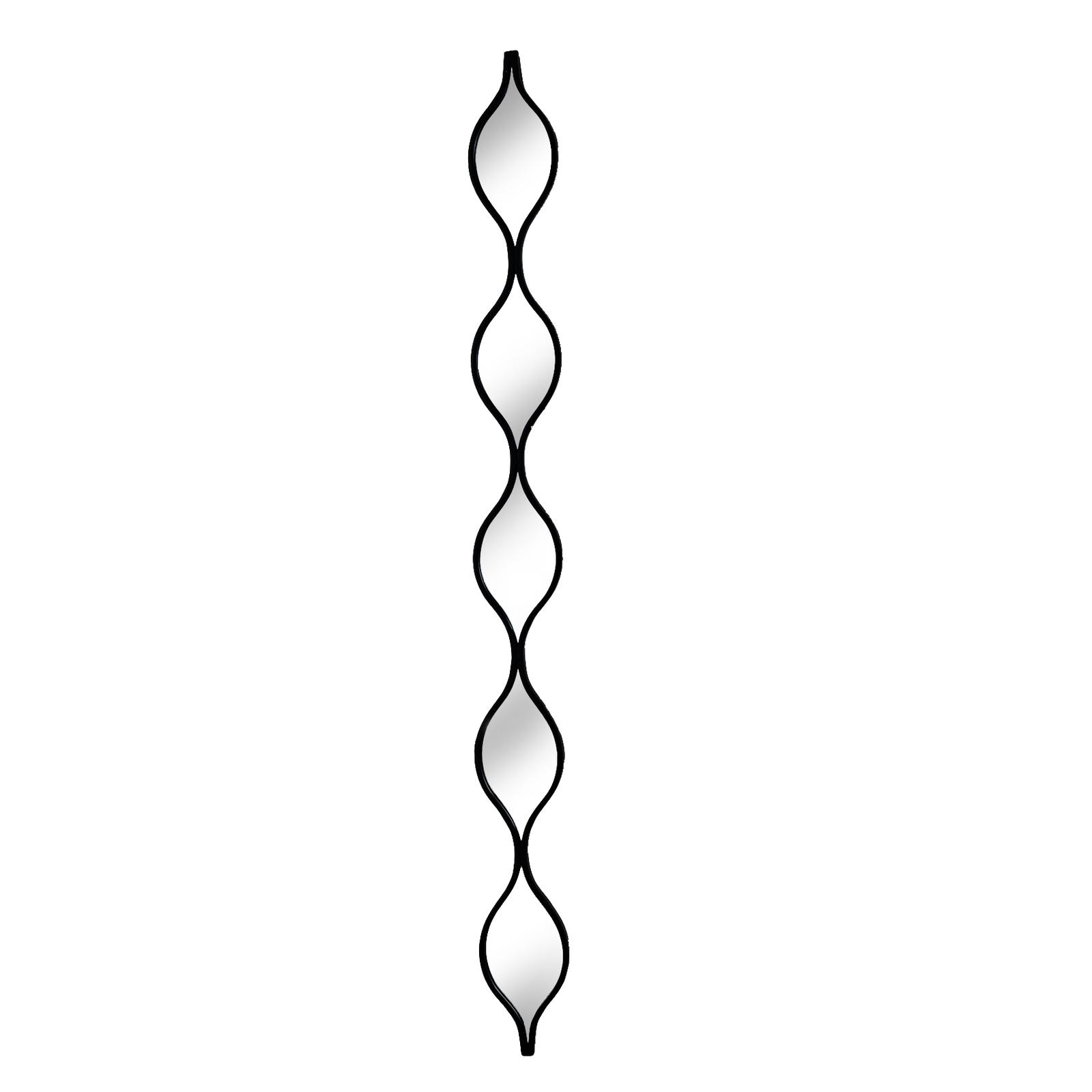
Decorative Hanging Black Mirror
£53
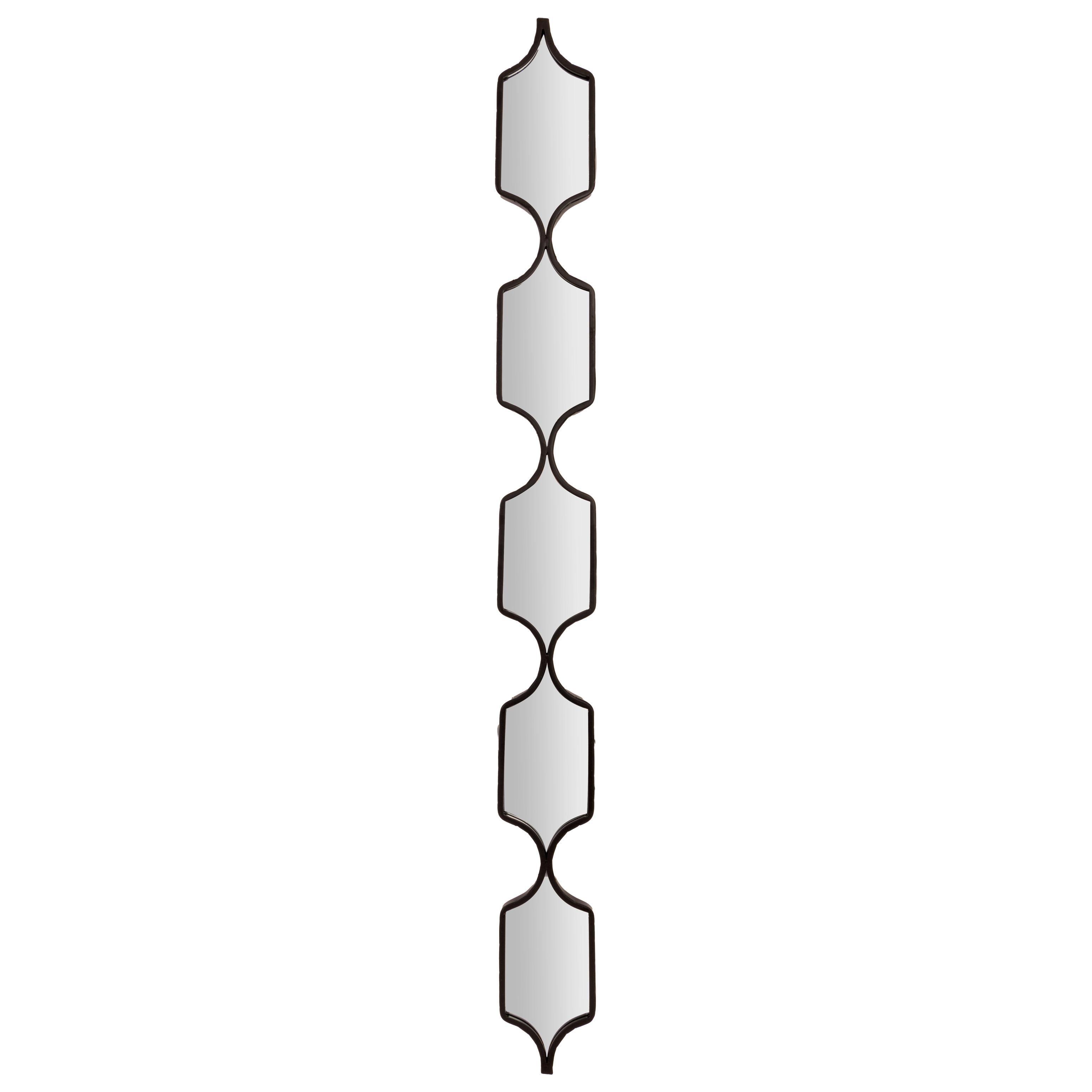
Square Decorative Hanging Collage Mirror in Black
£53
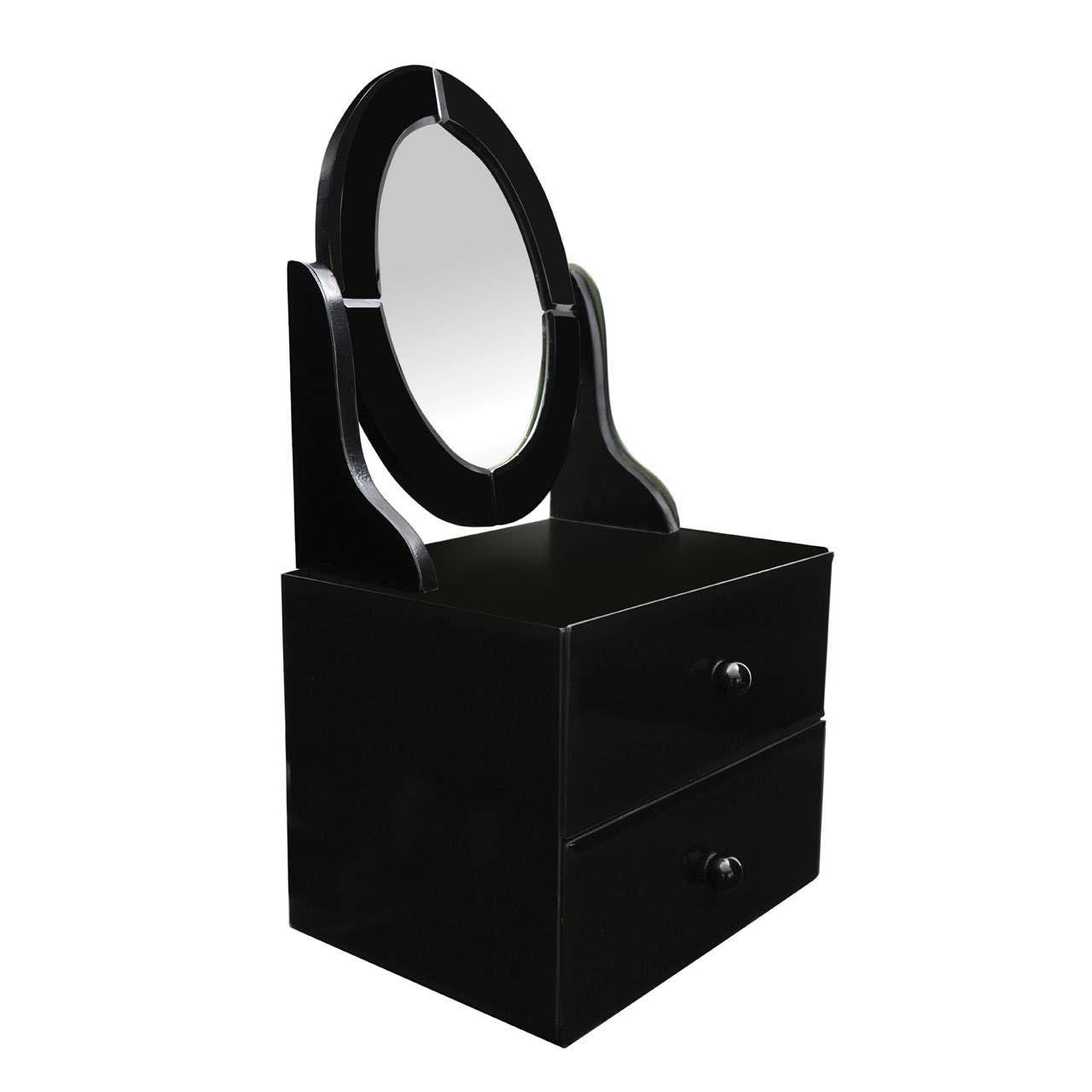
Gala Black Glass Vanity Mirror with Drawers
£110
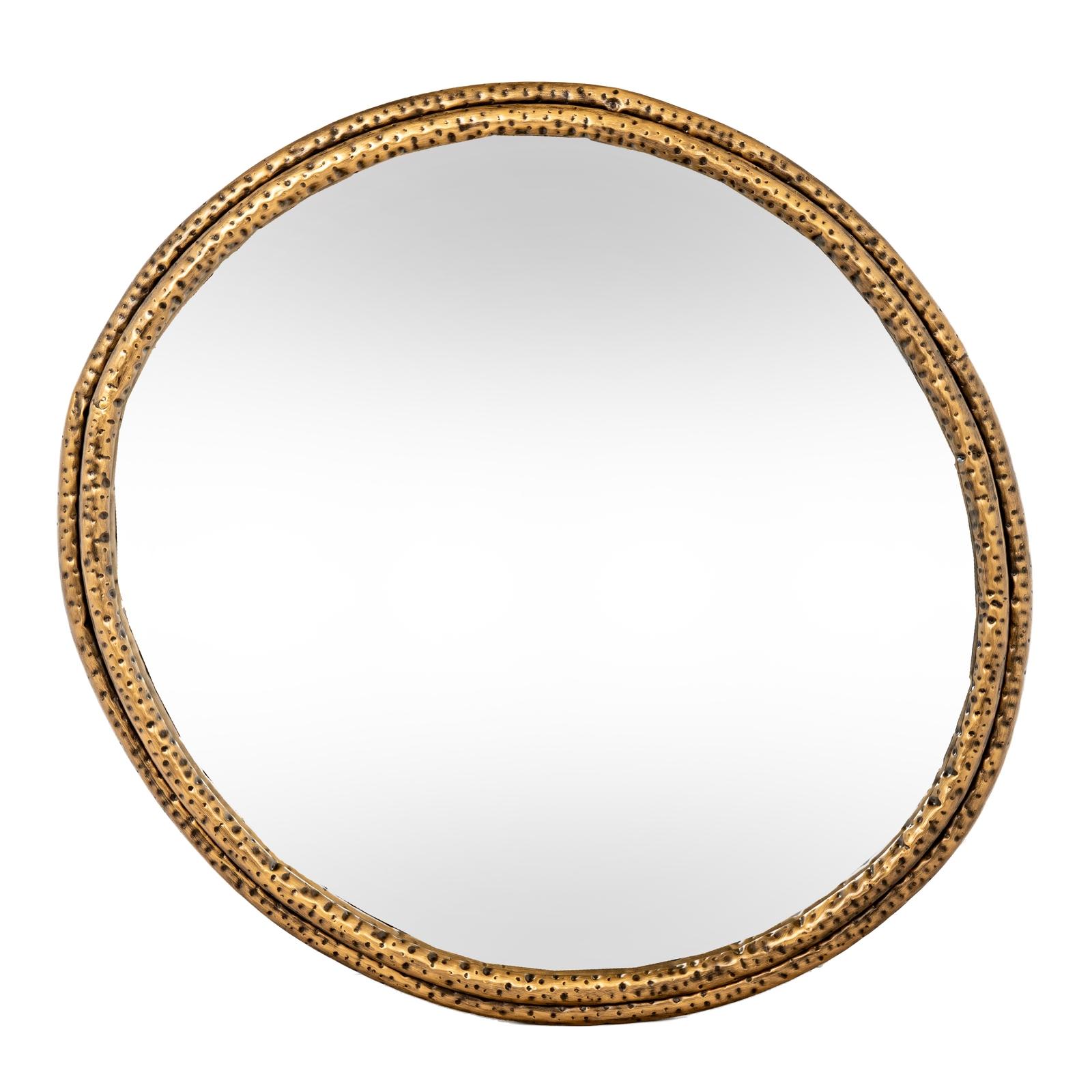
Nahla Small Mirror With Dimpled Frame
£119
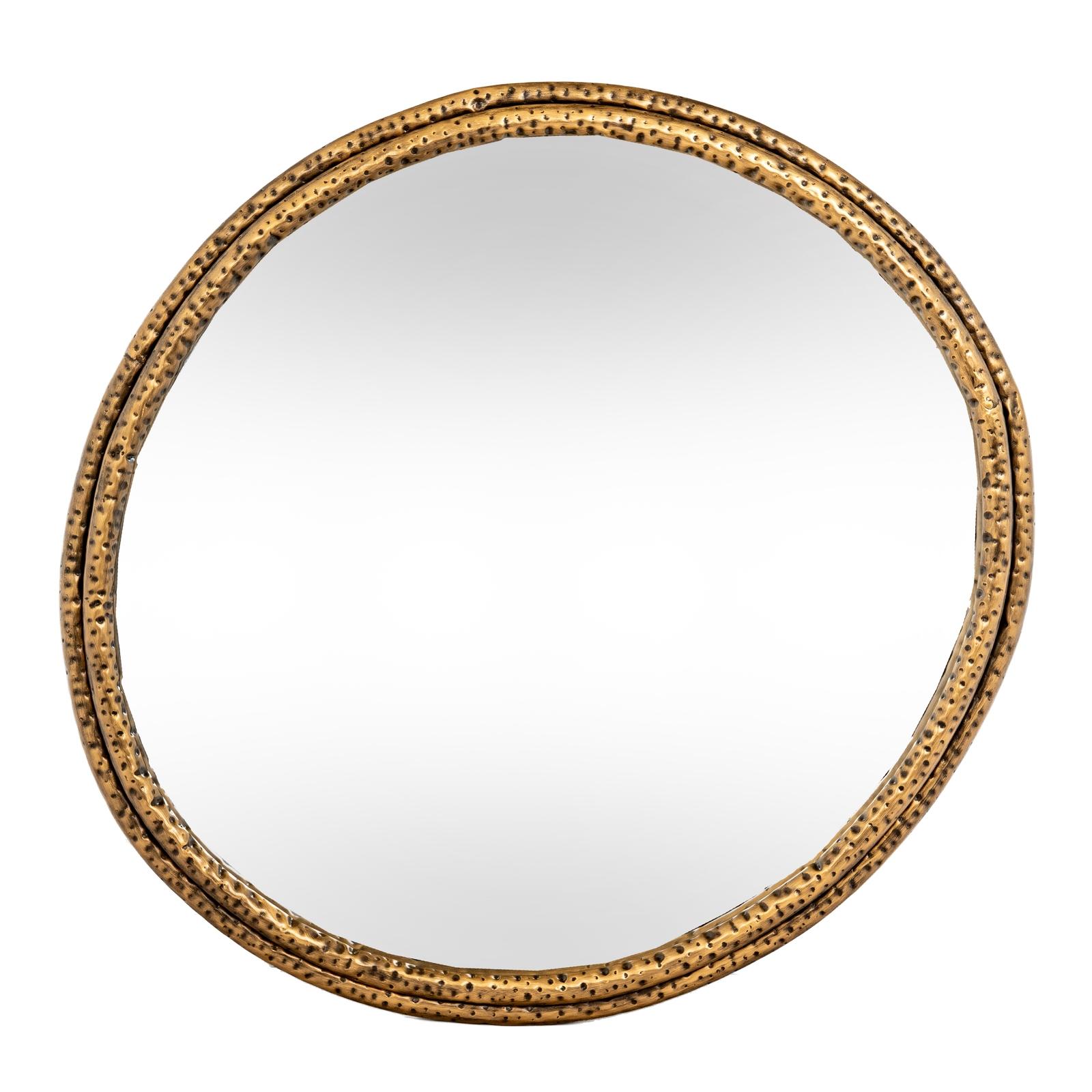
Nahla Medium Mirror With Dimpled Frame
£138
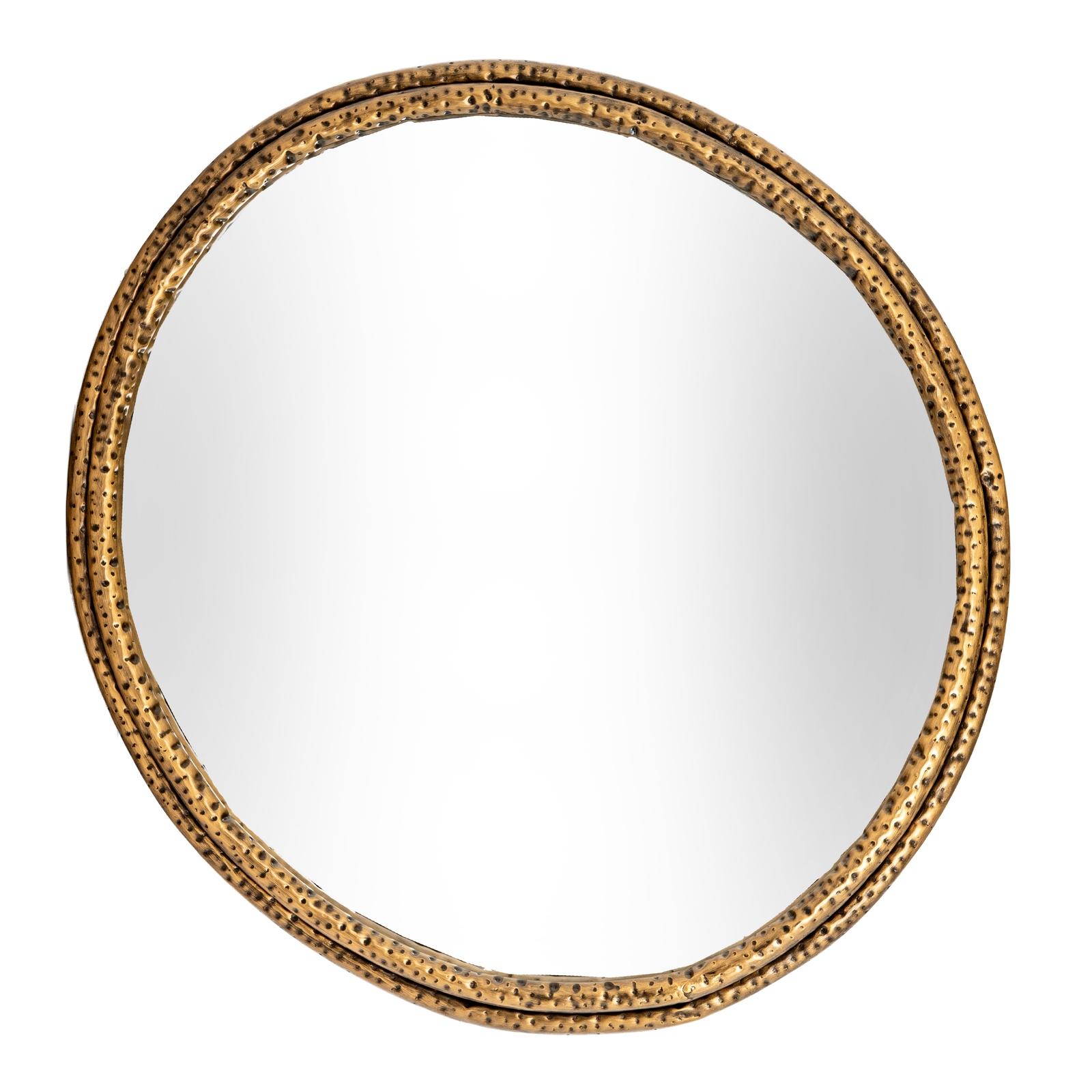
Nahla Large Mirror With Dimpled Frame
£118
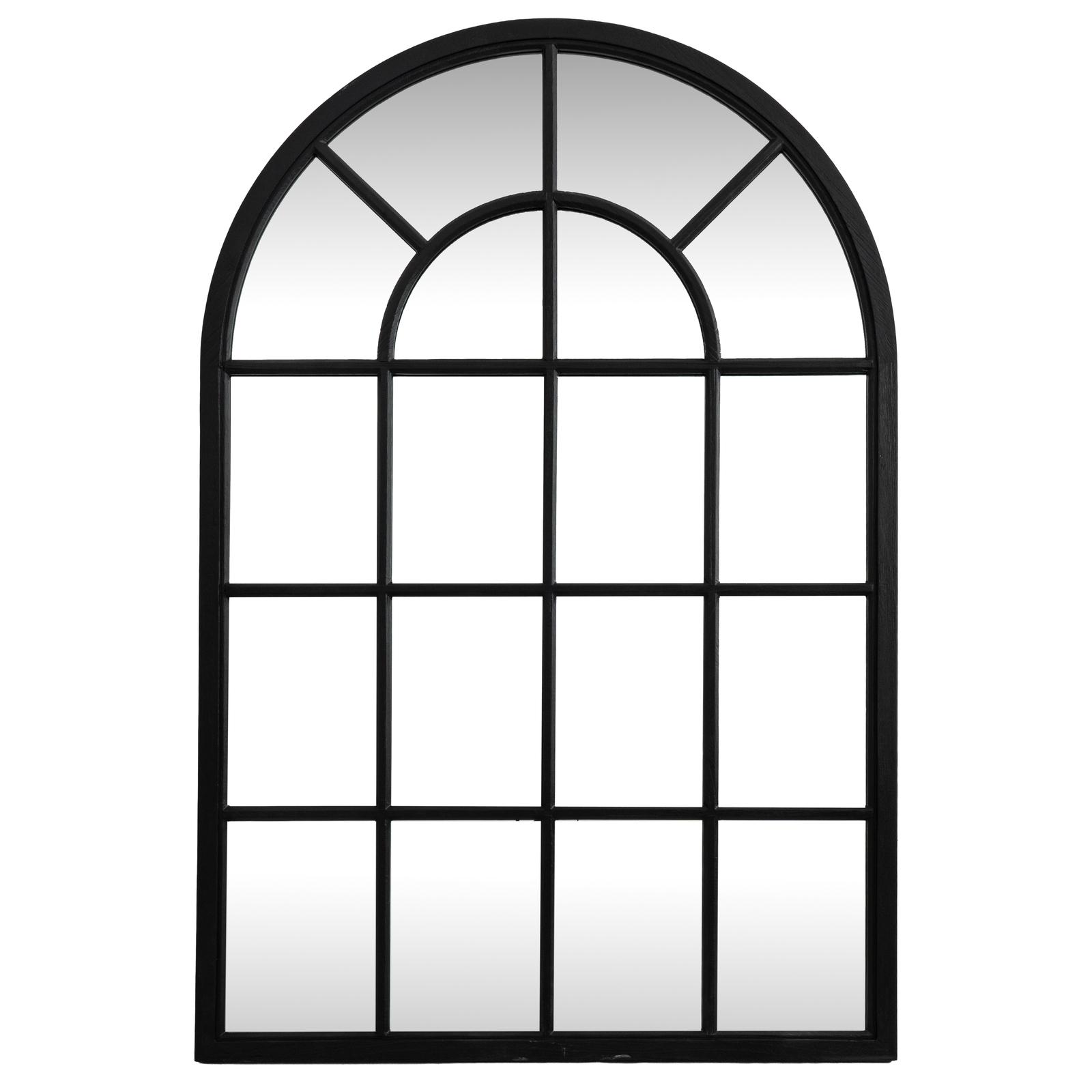
Black Wood Arched Window Mirror
£186
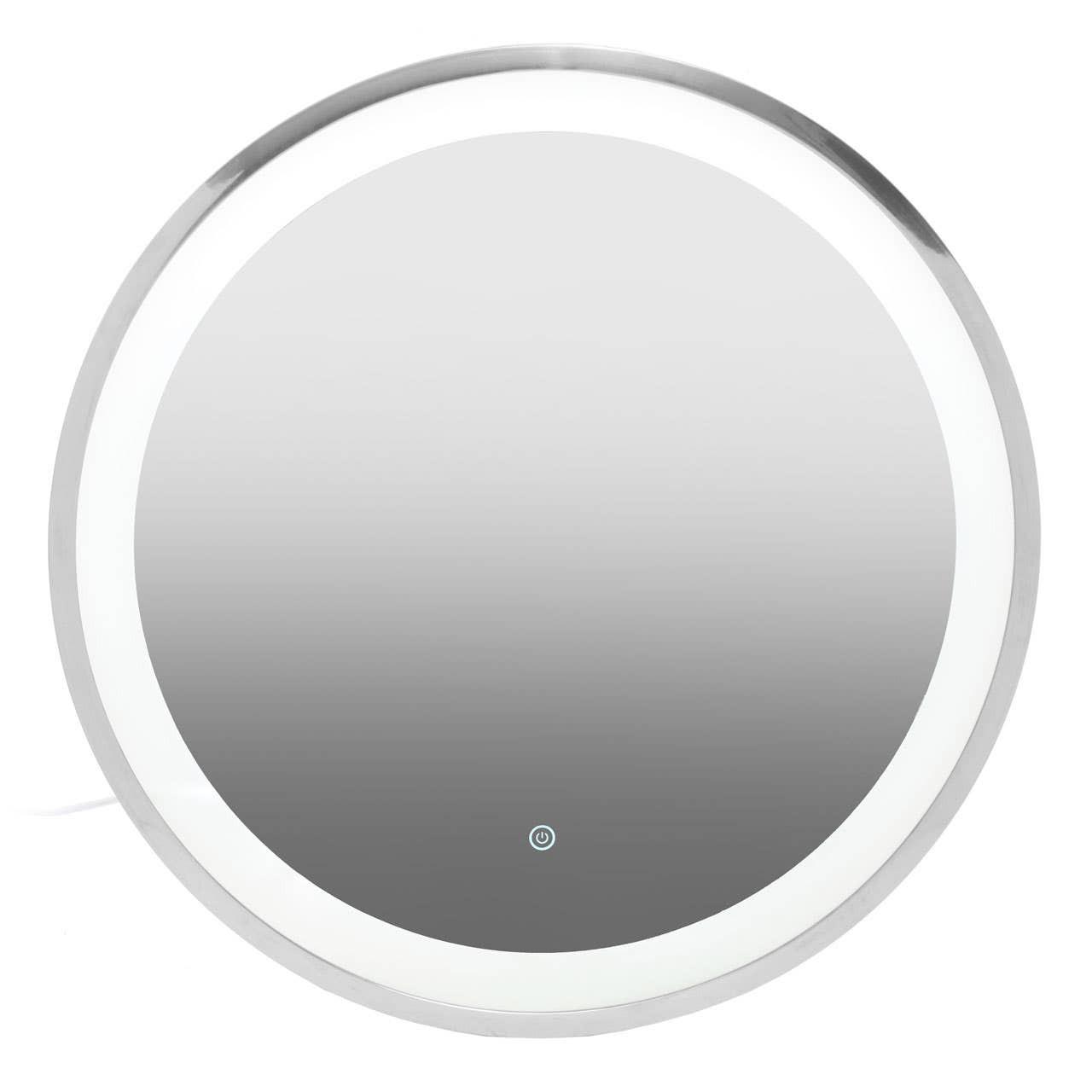
Avelino Illuminated LED Silver Round Mirror
£215
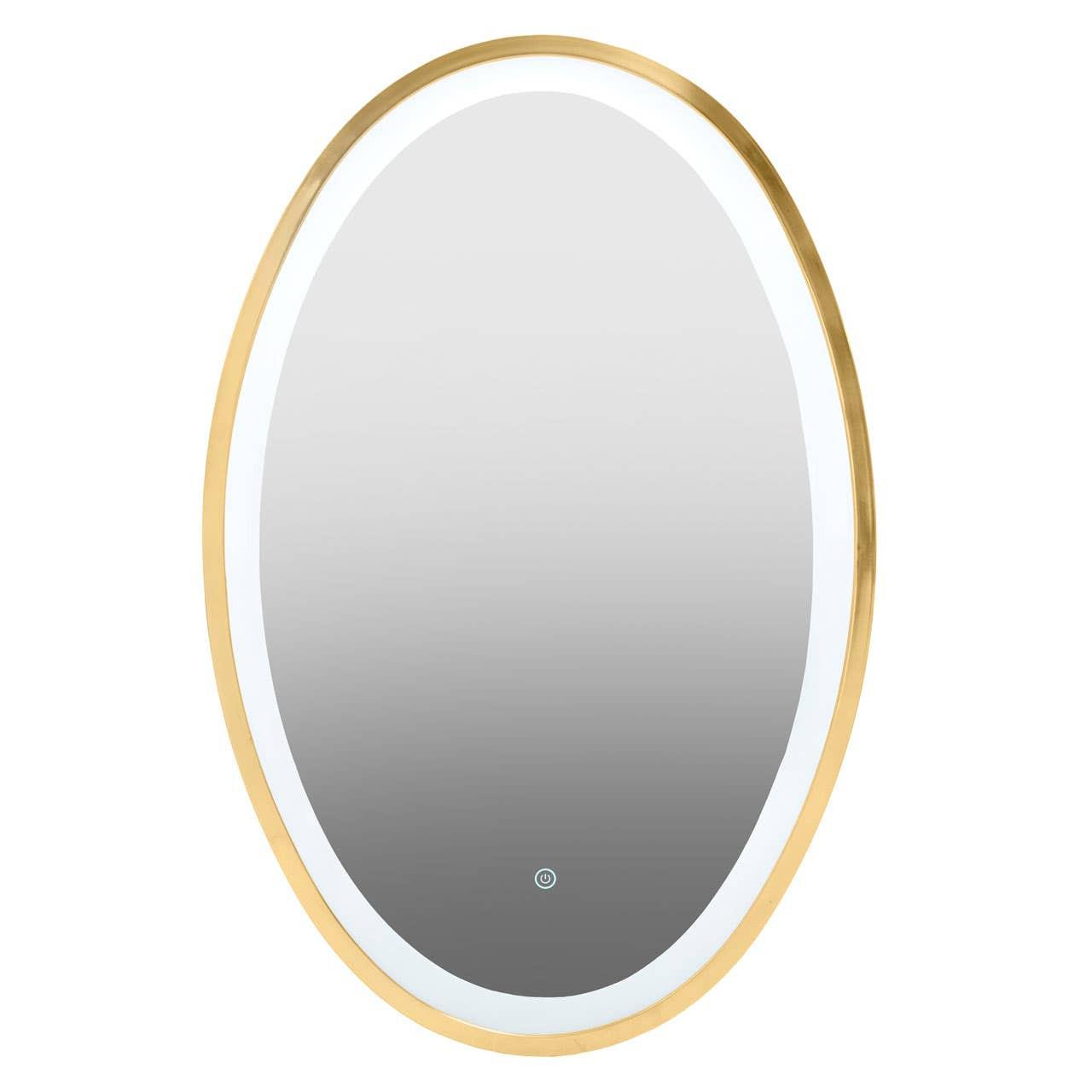
Avelino Illuminated LED Gold Oval Mirror
£285
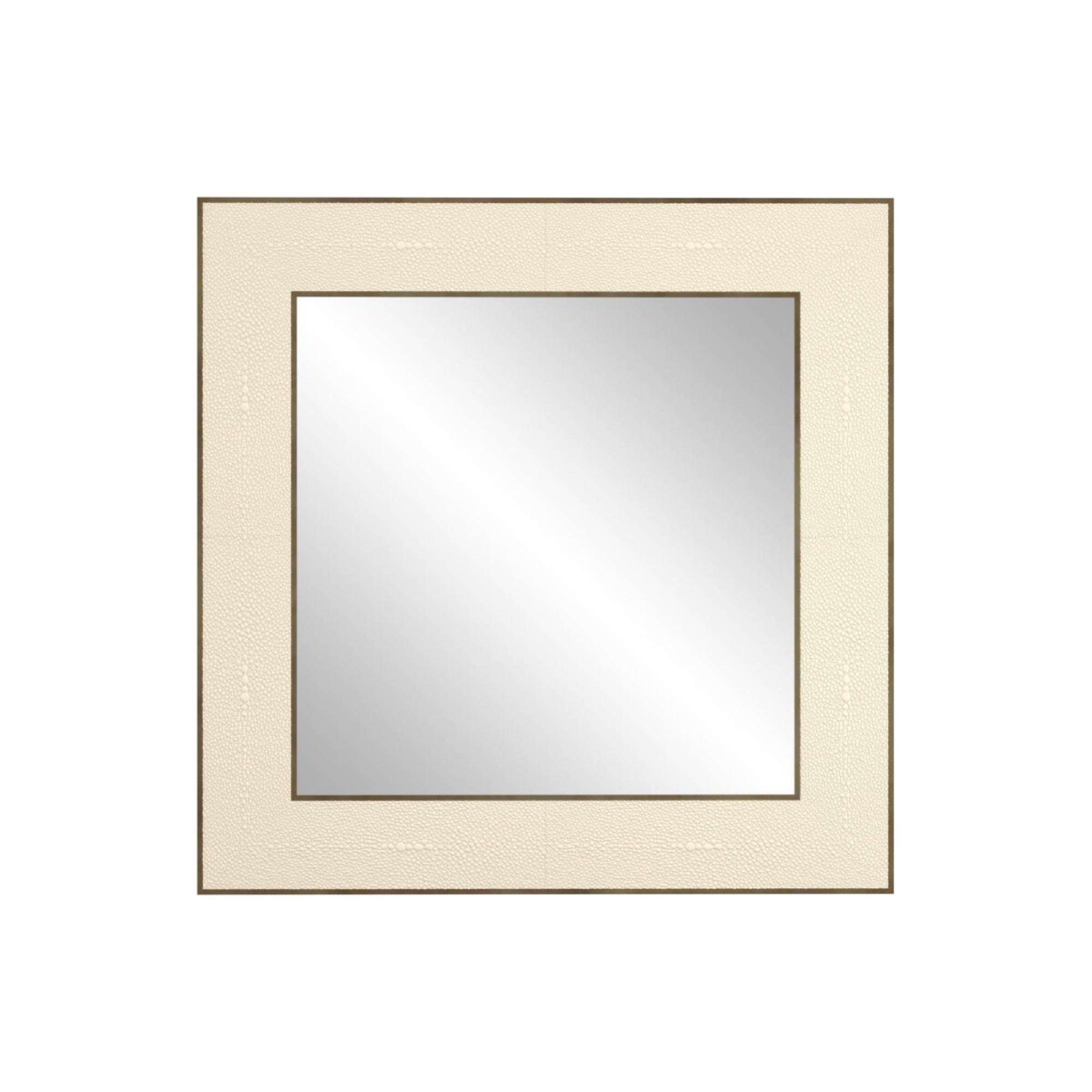
Hampton Ivory Shagreen Square Wall Mirror
£495
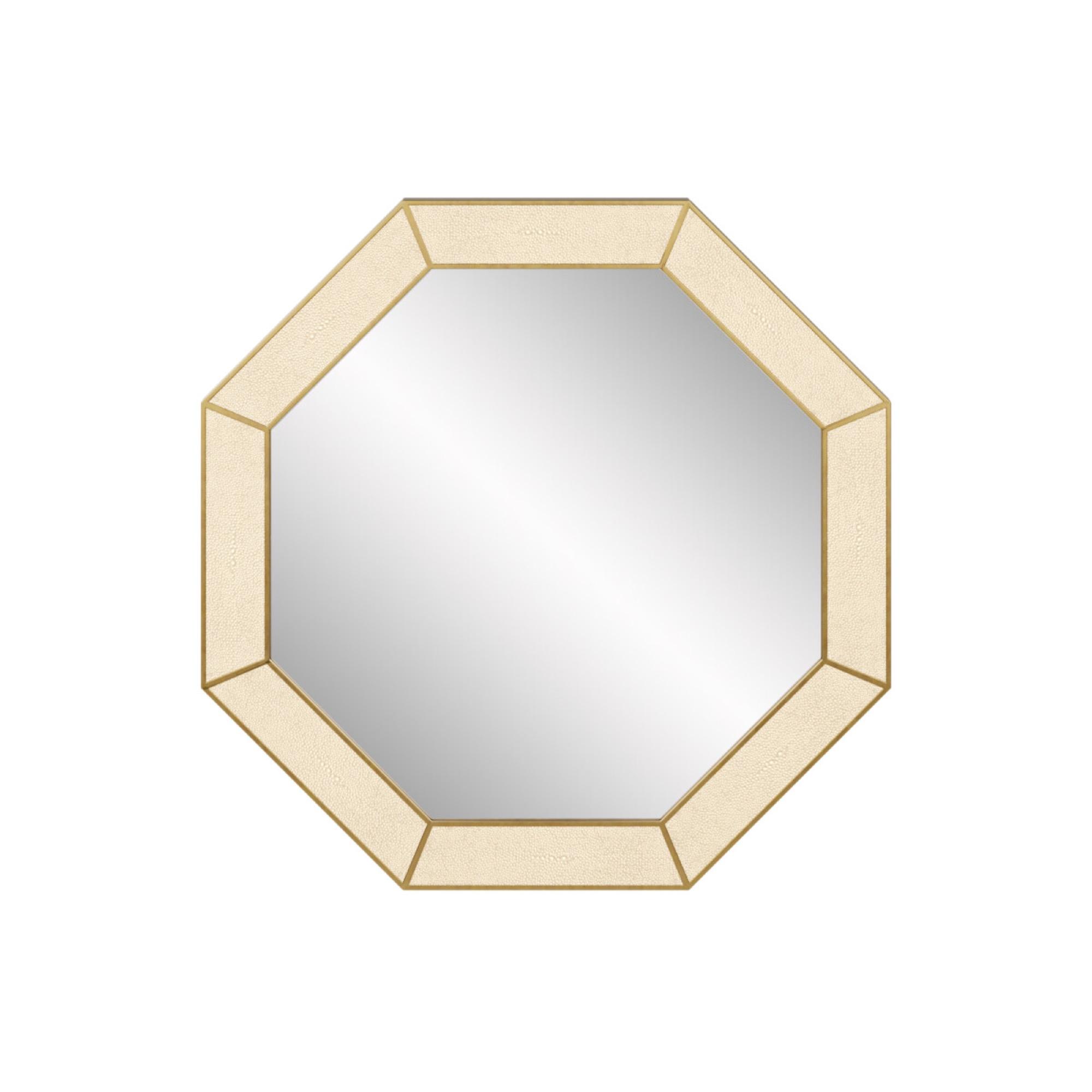
Hampton Ivory Octagonal Wall Mirror
£623